 Chandra Wijayanto
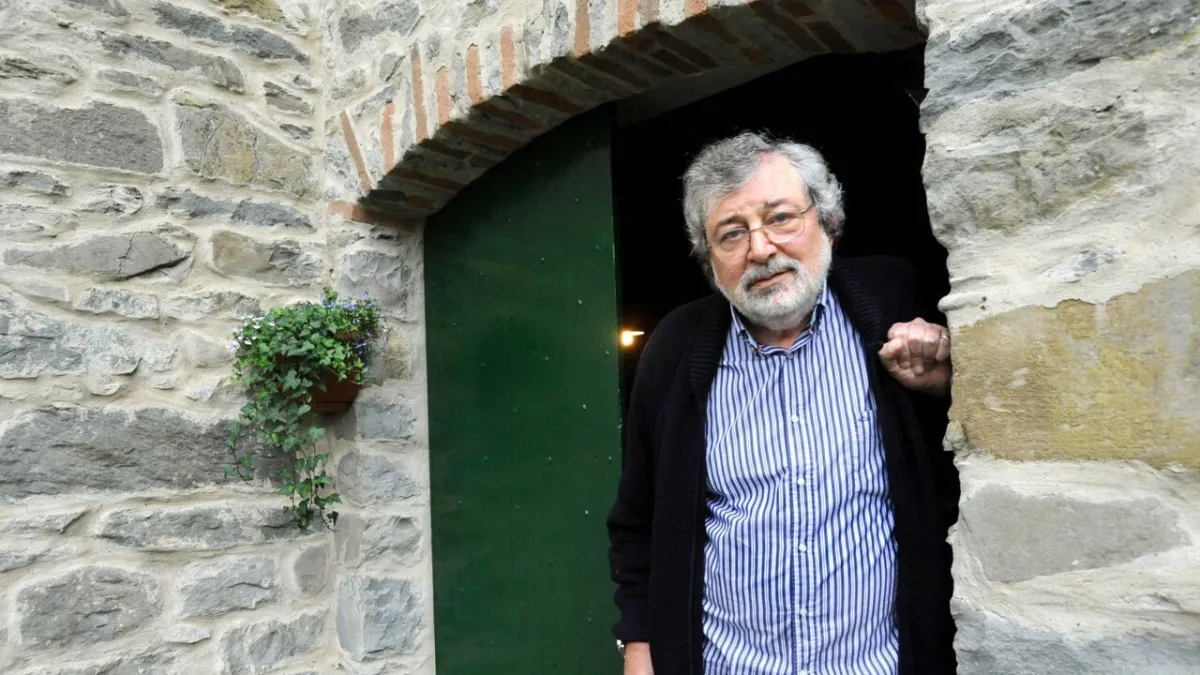
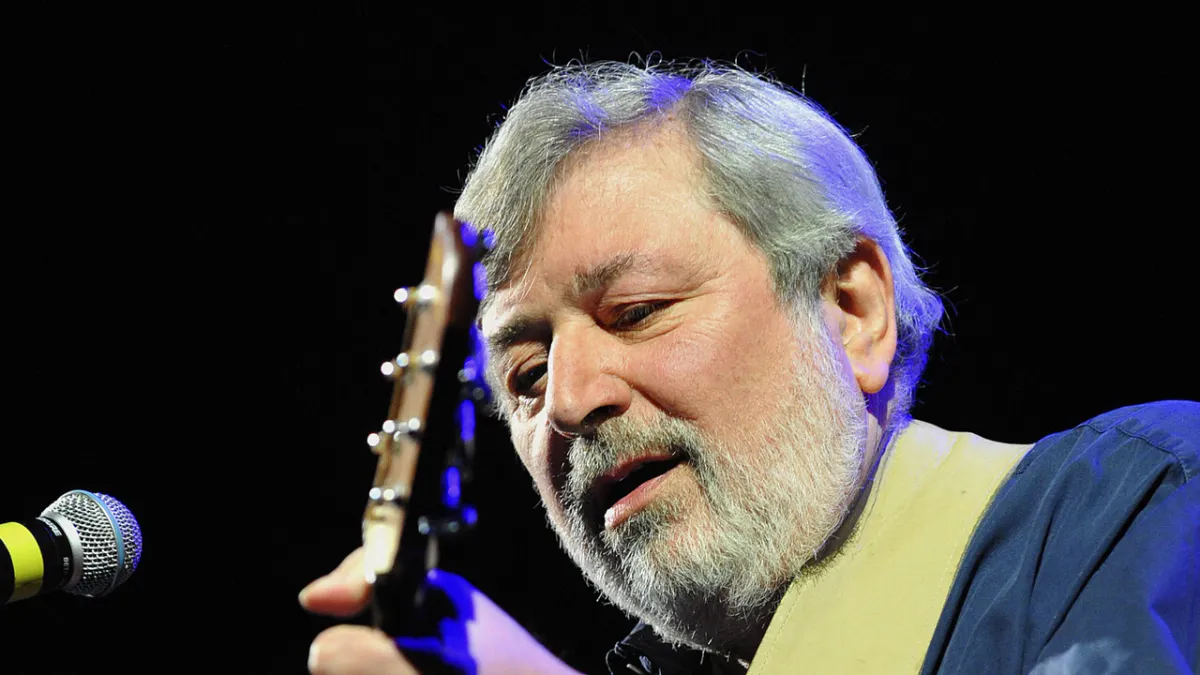
ROME — The monumental works of Francesco Guccini, the maestro of Italian ballads, continue to resonate into 2026, transcending geographical and chronological boundaries. His deeply meaningful lyrics transport listeners from the melancholic urban landscapes of Modena to the romantic canals of Venice, exploring “between Via Emilia and the west,” a metaphor for an unending journey of life and civilization.
In this year's cultural retrospective, in-depth analyses of Guccini's discography are once again in the spotlight. Critics and academics highlight how this legendary musician managed to encapsulate the essence of Italian cities, dark histories such as Auschwitz, and distant mythologies like Byzantium and the farthest reaches of “Ultima Thule” within timeless poetic verses.
Guccini, known as “cantore di città” or singer of cities, had a strong emotional connection to Bologna. He often referred to the city as “vecchia signora” in his lyrics, reflecting the complexity and charm of an old metropolis rich in history and personal stories. His relationship with the city was so profound, as discussed in the article "Bologna Remembers Guccini, Music Legend Who Became Eternal Family at Trattoria Vito", demonstrating how he became an integral part of its local identity.
Guccini's works are more than just songs; they are poetic narratives exploring existential themes, social critique, and philosophical reflections. Every line of lyric invites the audience to ponder, imagine, and feel the pulse of history and the dynamics of Italian society he meticulously depicted.
One of Guccini's hallmarks was his ability to intertwine personal stories with global historical events, creating a rich and layered tapestry. From his personal experiences on the Via Emilia to reflections on humanitarian tragedies, his music became a mirror of his time and a lesson for future generations.
Although the news of "The World Mourns: Italian Music Legend Francesco Guccini Passes Away" has long passed, his artistic legacy thrives. Libraries and universities across Italy continue to analyze his lyrics as part of their literature and music curricula, solidifying his position as one of modern Italy's greatest poets.
Guccini's lyrical journey from Modena, his birthplace, to Venice, a dream destination, represents an exploration of culture and identity. He successfully captured the soul of Italy in its geographical diversity and human temperament, making him a relevant icon amidst modernization.
Recent analyses in 2026 indicate an increased interest in Guccini's works among younger generations seeking connection with their cultural roots. Tribute concerts and panel discussions are frequently held, underscoring the enduring relevance of the messages he conveyed through his music.
Guccini's poetry possesses the power to transcend language. Though written in Italian, universal themes of love, loss, hope, and struggle resonate in the hearts of global listeners. He is a perfect example of an artist whose work becomes a bridge between cultures.
Essentially, Francesco Guccini was an explorer; not with his feet, but with his words. He invites us to follow his journey, from the narrow streets of Italian cities to the imaginary horizons at the end of the world, leaving an invaluable lyrical legacy for civilization.