 Chandra Wijayanto
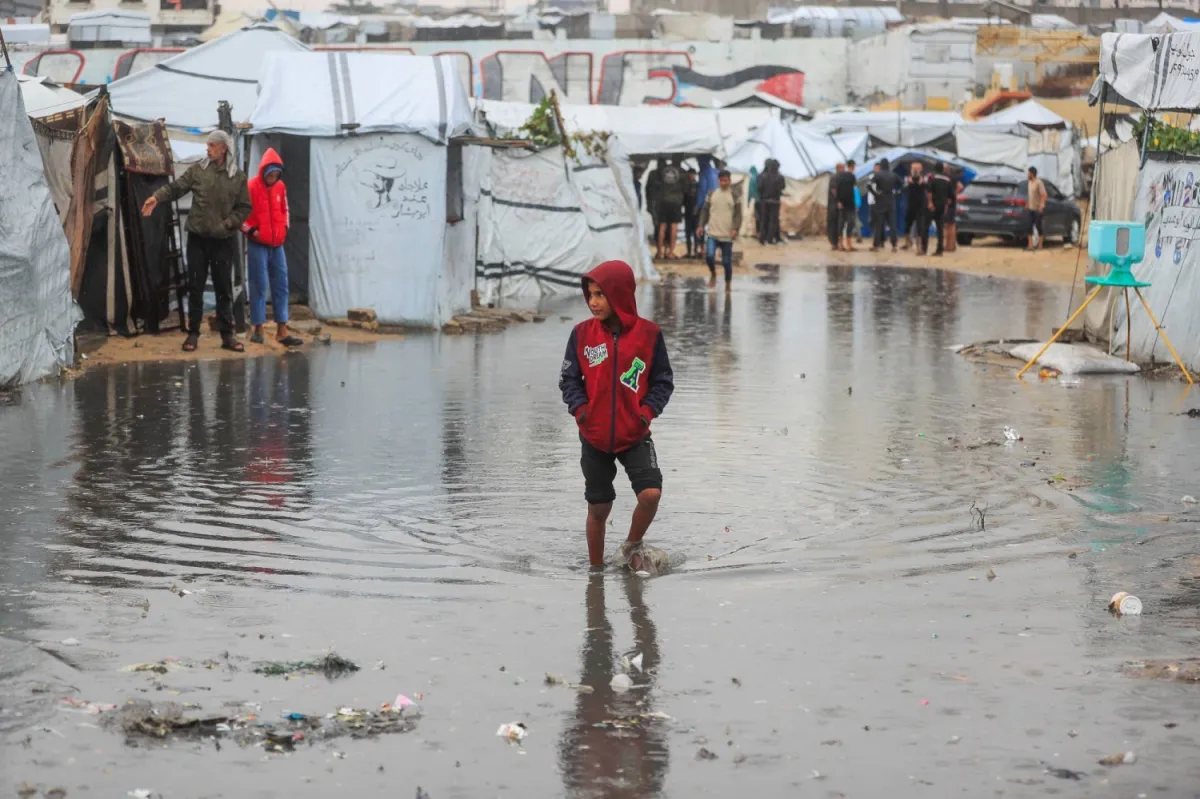
GAZA – The World Health Organization (WHO) has issued a serious warning regarding a drastic surge in respiratory illnesses in the Gaza Strip. This alert comes as the region prepares to face a dual threat: dire living conditions due to extreme overcrowding and the arrival of winter floods in 2026, which are predicted to worsen the health crisis. Millions of Gaza residents, especially children and the elderly, now face a deadly risk of acute respiratory infections.
The humanitarian situation in Gaza continues to deteriorate due to ongoing conflict that forces most of its population to cram into increasingly shrinking areas. Massive overcrowding creates an ideal environment for pathogen spread, while minimal sanitation and limited access to clean water and essential healthcare facilities further exacerbate conditions.
A WHO spokesperson emphasized in an official statement last week that poor living conditions and severe overcrowding are driving up infections. They added, the worst is yet to come as winter floods arrive. This statement underscores the urgency of immediate mitigation actions.
Types of respiratory illnesses expected to surge include acute respiratory infections (ARIs), pneumonia, and bronchitis. The most vulnerable groups are infants, children, and individuals with weakened immune systems, who are further threatened by exposure to cold and humidity during winter.
Historically, heavy winter rains always cause waterlogging and floods in Gaza, a region with already severely damaged drainage infrastructure. Flooding will contaminate limited water sources, damage temporary shelters, and increase the risk of waterborne diseases, which can then worsen overall health conditions and resistance to respiratory infections.
Healthcare facilities in Gaza, most of which are already crippled or operating at minimal capacity due to the conflict, are unprepared to handle a new wave of patients. The availability of medicines, medical equipment, and healthcare personnel is extremely limited, hindering treatment and prevention efforts.
The international community is urged to act immediately. Humanitarian aid, especially focusing on health, sanitation, and provision of adequate shelter, is crucial to prevent a larger catastrophe. Without significant intervention, this health crisis could reach an uncontrollable scale.
The impact of failing to address this crisis will not only be seen in increased morbidity and mortality rates, but also in long-term psychological trauma for a population continuously living in uncertainty and suffering. Mental health is also a serious concern amid the increasingly grim situation.
Although Gaza has faced various health challenges for years, the combination of conflict, extreme overcrowding, and the threat of weather in 2026 presents a more complex and dangerous scenario than ever before.
Editorial Insight: The WHO's warning about the health crisis in Gaza serves as an alarm for the world to act swiftly. This situation is not merely a local issue, but a manifestation of a global failure to protect fundamental human rights in conflict zones. Without long-term political solutions and adequate humanitarian aid, the spiral of suffering in Gaza will continue, with increasingly dire humanitarian consequences. The top priority must be to ensure unimpeded access to medical aid and sanitation to save lives.