 Angel Doris
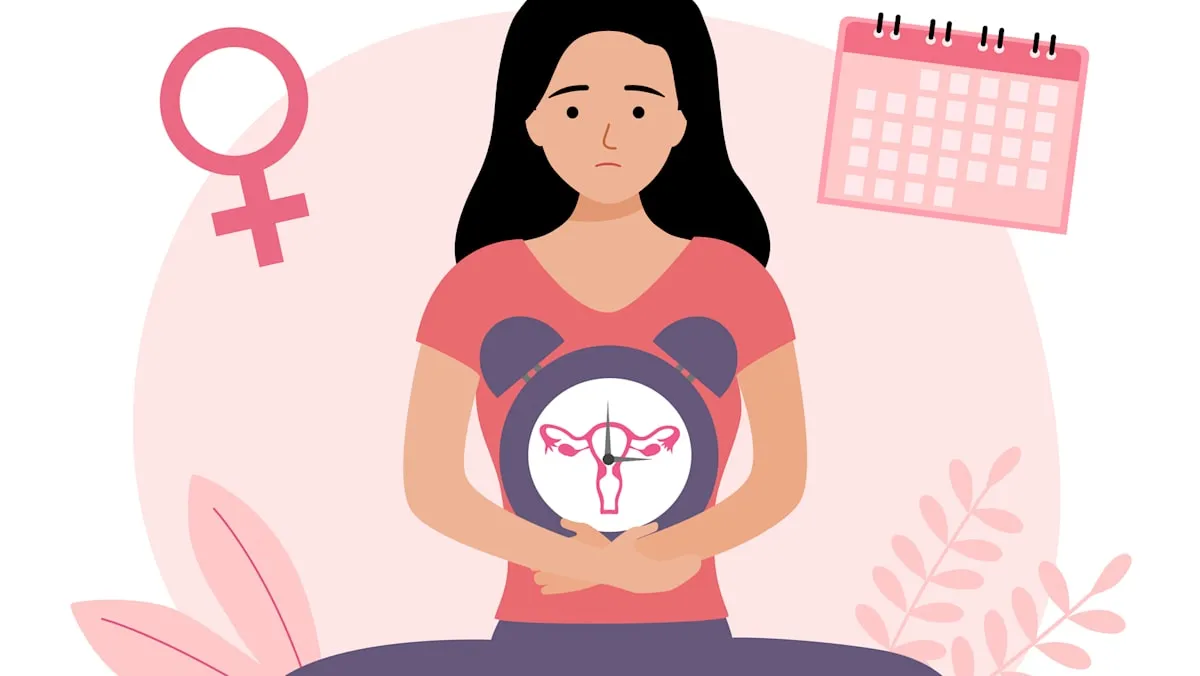
JAKARTA – Millions of women worldwide unknowingly endure suffering from menopause symptoms often dismissed as minor, or even normalized. Conditions such as vaginal dryness, painful intercourse, and recurrent urinary tract infections (UTIs), previously considered an unavoidable part of aging, are now recognized as signs of Genitourinary Syndrome of Menopause (GSM), a medical condition requiring serious attention in 2026.
Beyond just hot flashes, GSM represents a series of physical changes in the urinary tract and intimate organs caused by declining estrogen levels post-menopause. This condition affects quality of life, intimacy, and personal relationships, yet it often goes undiagnosed or is left untreated.
Doctors and health experts continue to emphasize the importance of awareness. Many women still feel embarrassed or find it taboo to discuss these symptoms with their doctors, stated Dr. Citra Dewi, a leading gynecologist in Jakarta, at a recent women's health seminar. However, early intervention is crucial to prevent further complications and improve patients' quality of life.
The primary symptoms of GSM include vulvovaginal atrophy, where the vaginal and vulvar tissues become thinner, drier, and less elastic. This can lead to itching, burning sensations, and significant discomfort.
Furthermore, dyspareunia, or painful intercourse, is a common complaint that is often overlooked. This condition not only disrupts intimate life but can also affect women's psychological and emotional health, causing stress and anxiety.
Recurrent urinary tract infections are also closely linked to GSM. Changes in the urethral and bladder lining due to estrogen deficiency make women more susceptible to bacterial infections, adding to the list of discomforts they may experience.
Data indicates that nearly half of all postmenopausal women experience GSM symptoms. However, only a small fraction actually seek medical help. Social stigma and a lack of public education are major barriers.
GSM treatment varies widely, ranging from local hormone therapy such as vaginal estrogen creams, tablets, or rings, to the use of non-hormonal moisturizers and lubricants. Therapy choices are tailored to each patient's individual condition and needs.
Doctors recommend that women experiencing these symptoms should not hesitate to consult a professional. A thorough examination by a medical professional can help establish an accurate diagnosis and formulate an effective treatment plan.
Public education about menopause and genitourinary syndrome is a fundamental step. Public health campaigns need to be intensified to dispel the myth that this suffering is an unavoidable fate, but rather a treatable medical condition.
Health institutions, both governmental and private, play a critical role in providing comprehensive information access and health services. Training for medical professionals to effectively recognize and manage GSM must also be enhanced.
Healthy lifestyle changes, such as a balanced diet, regular exercise, and avoiding smoking, can also support overall health during the menopausal period.
Every woman's menopause experience is unique, and responses to therapy also vary. Therefore, a personalized approach to care becomes very important.
With increasing female life expectancy, addressing menopause-related health issues like GSM is becoming increasingly relevant. This is not only about extending life but also about improving the quality of life in the years to come.
Open communication with partners is also advised. Understanding that these symptoms are a medical condition and not a personal issue can help maintain harmony in intimate and emotional relationships.
Editorial Insight: Genitourinary Syndrome of Menopause represents a complex public health challenge, rooted in biological, social, and psychological factors. The success of its management depends not only on medical innovation but also on a shift in societal paradigms regarding women's health issues. Encouraging open dialogue and removing stigma is a critical investment in the well-being of millions of women in the future. It reflects the progress of civilization in recognizing and overcoming unnecessary suffering.