 Dodi Irawan
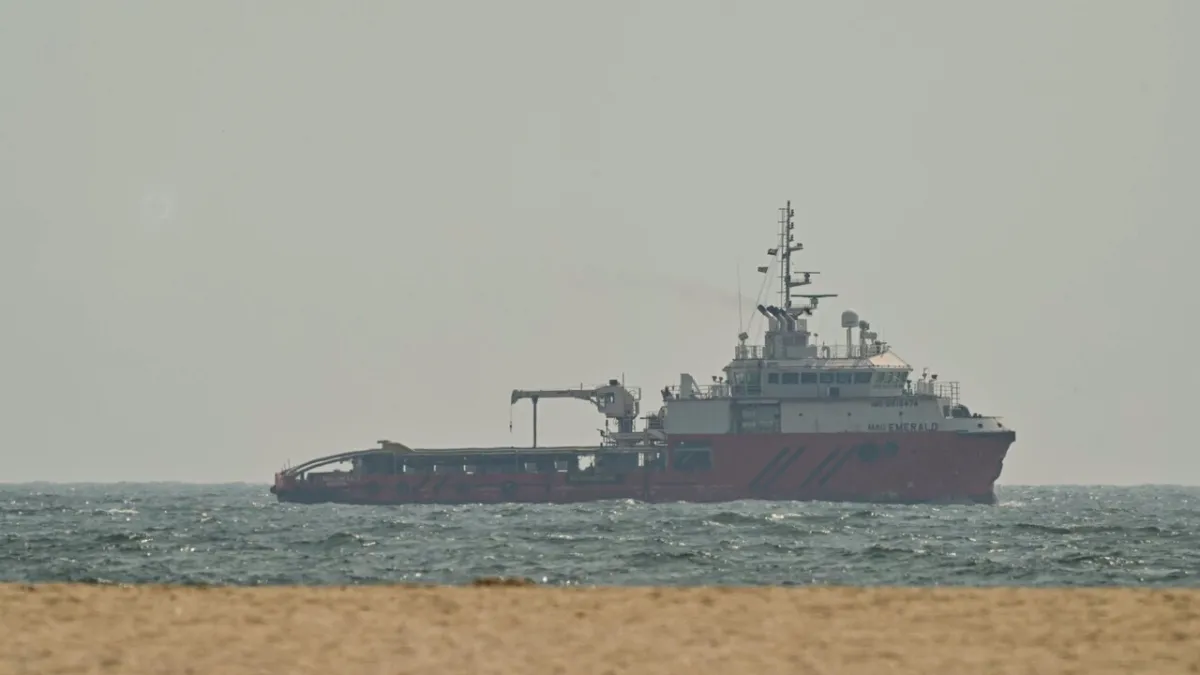
TEHRAN — Tensions in the Middle East have reached a new boiling point following Iran's provocative move to announce a partial closure of the Strait of Hormuz, accompanied by missile attacks on several ships near the waters of the United Arab Emirates in mid-2026. This incident immediately triggered a military response from the United States, which launched retaliatory strikes, deepening concerns about an escalation of conflict in one of the world's most vital shipping lanes. Explosions were reported in the waters near the UAE, while full alerts resonated throughout Bahrain and Qatar.
Iran's military action, purportedly in retaliation for what they described as "continued provocations" by the United States and its allies, targeted a number of commercial vessels and oil tankers. Although specific details regarding the damage remain unclear, the incident clearly indicates a dramatic increase in regional confrontation. The missile attacks caused panic and disrupted maritime activity in the Persian Gulf.
The Strait of Hormuz, located between Iran and Oman, is a strategic waterway through which approximately one-third of all seaborne oil traded globally passes. Its closure, even partially, has serious implications for global energy supplies and international oil prices. Uncertainty in this vital route has the potential to trigger significant global economic turmoil.
In response to the aggression, WASHINGTON immediately released a strong statement, condemning Iran's actions as a serious violation of international law and freedom of navigation. Shortly thereafter, the United States Navy confirmed it had launched retaliatory strikes targeting Iranian military facilities linked to the initial missile attacks. \"We will not tolerate threats to international shipping lanes and our partners in the region,\" a Pentagon spokesperson stated in a press conference.
The impact of this incident has been felt across the region. Global financial markets reacted negatively, with crude oil prices surging sharply and stock indices declining. Gulf nations such as Saudi Arabia and Kuwait expressed deep concern, calling for immediate de-escalation and diplomatic intervention to prevent a broader conflict.
Geopolitical analyst Professor Hamid Reza from Tehran National University stated, \"This move by Iran is a manifestation of an aggressive defense policy aimed at demonstrating their capabilities and resolve in the face of external pressure. However, the risk of miscalculation is very high, and the repercussions could extend far beyond the Gulf.\"
The UN Security Council is scheduled to hold an emergency meeting to discuss the crisis. Various countries urged both sides to exercise restraint and seek peaceful solutions through dialogue. However, with the situation heating up, the prospects for diplomacy appear bleak amid the crescendo of military rhetoric.
Tensions between Iran and the United States are not new; the roots of their conflict have festered for decades. A history of military intervention, economic sanctions, and hostile rhetoric has shaped a fragile relationship landscape in the Persian Gulf. This incident involving the closure of Hormuz and missile attacks is just the latest chapter in that complex geopolitical drama.
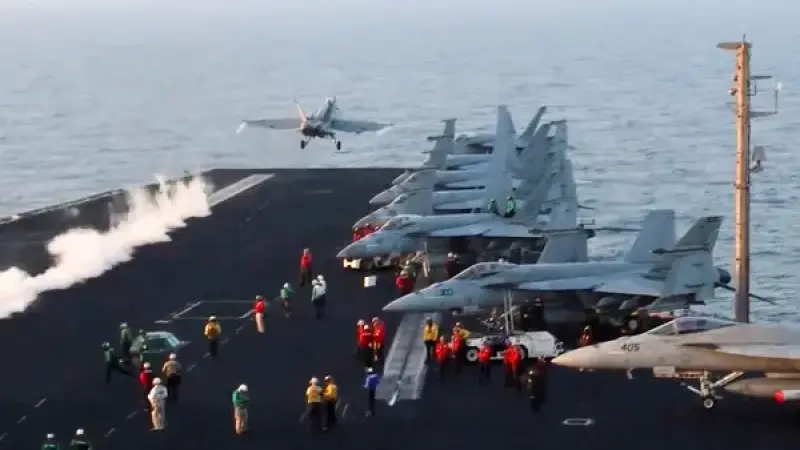
The United States military has increased its troop presence in the region, including the deployment of additional aircraft carriers and fighter jets. US allies in Europe and Asia have also been asked to raise their vigilance, while weighing options to support regional stabilization efforts. Meanwhile, Iran stated its readiness to confront any form of aggression.
This situation presents a severe challenge to the international community. Threats to maritime security in the Strait of Hormuz not only disrupt global trade but also risk triggering a large-scale military conflict with catastrophic worldwide implications. The primary priority now is to prevent an uncontrolled spiral of violence. Middle East Burns: Iran Blocks Hormuz 2026, US on Full Alert, illustrates the crucial nature of this situation.
Observers warn that without effective communication channels and political will to compromise, the Persian Gulf region could plunge into a prolonged era of conflict. Every minor incident has the potential to trigger a chain reaction that is difficult to predict and control. Tense! Iran Blocks Hormuz, US Counterattack Triggers New Crisis, is another title reflecting the depth of this issue.
The role of other regional powers, such as Saudi Arabia, is also a focus of attention. How these nations respond to this escalation will significantly determine the direction of the conflict. Shadow diplomacy may be underway behind the scenes, but the outcome is far from certain. The world holds its breath, awaiting the next moves from the key players on the geopolitical stage of the Persian Gulf.