 Chris Robert
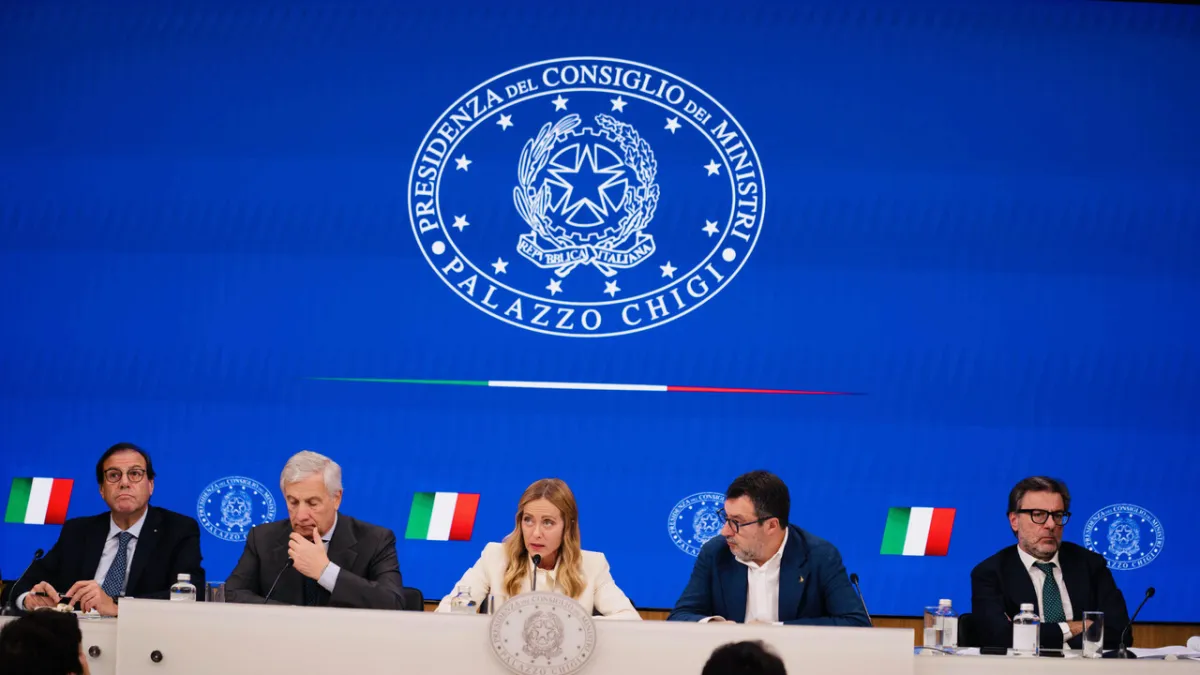
ROME – The Italian Parliament is in turmoil, facing a massive wave of amendments to the 2026 national budget. Prime Minister Giorgia Meloni is now fighting hard to defend her crucial policies, including support for the self-employed, amidst strong pressure from the opposition demanding a total rewrite of the draft. This situation emerged during intense parliamentary debate, signaling significant political tension over Italy's economic direction in the coming year.
Parliamentary sources indicate that thousands of amendment proposals have been submitted, targeting various policy aspects, from the controversial 'superbonus' scheme to healthcare allocations. The scale of these amendments reflects a deep divide between the government's and the opposition's visions regarding fiscal and social priorities.
PM Meloni, who leads a center-right coalition, has repeatedly affirmed her commitment to protecting the self-employed sector (autonomi), which she considers the backbone of the Italian economy. Through pro-business fiscal policies, the government aims to stimulate growth and reduce the tax burden for this group.
'We have drafted a responsible budget that supports growth while maintaining fiscal discipline,' Meloni stated in a press release. 'Protection for the self-employed is one of the main pillars we will not compromise on.'
However, the opposition insists that the budget draft is unfair and unresponsive to the urgent needs of the wider public. They highlight cuts in vital sectors and benefits perceived as overly skewed towards certain groups.
A spokesperson for a major opposition party declared, 'This budget needs to be fundamentally rewritten. There is an urgent need to strengthen public healthcare services and ensure a more equitable distribution of resources, not just benefiting a select few.'
Some of the most debated amendments include:
- Superbonus Revision: The opposition proposes substantial changes to the 'superbonus' incentives, which are deemed to burden state coffers excessively and be prone to misuse.
- Increased Healthcare Allocation: Demands to increase healthcare budgets to address systemic challenges and ensure better access to services.
- Social Support: Requests for increased aid for low-income families and social safety net programs.
This debate not only tests the strength of Meloni's coalition in parliament but also the potential to divide public opinion. The stability of this relatively young government is under intense scrutiny, especially after a series of regional dissatisfactions that have emerged recently. Similar pressures have previously occurred in other European countries, as seen in the political conditions faced by the German Chancellor in the article 'Kepemimpinan Scholz Dipertanyakan: Koalisi Jerman Hadapi Dilema Mematikan' (Scholz's Leadership Questioned: German Coalition Faces Deadly Dilemma).
This situation raises speculation about the possibility of compromise or even political deadlock. Should the government fail to reach a consensus, budget implementation could be delayed, potentially creating economic uncertainty amidst global volatility in 2026.
Political analysts believe this challenge is a crucial test of Meloni's ability to manage internal alliances and confront a unified opposition. The outcome of these amendment negotiations will be a significant determinant for Italy's political and economic direction in the coming years.
Editorial Insight: The budget turmoil in Italy, triggered by a massive wave of amendments and fundamental differences between the government and the opposition, highlights the inherent challenges of a parliamentary democracy. PM Meloni's struggle to defend key policies, particularly regarding the self-employed and the superbonus, reflects an effort to balance electoral promises with complex fiscal realities. The outcome of this debate will not only determine the stability of Meloni's government but also send a strong signal about Italy's capacity to respond to internal and external economic pressures on the European and global stage. The ability to reach constructive compromise will be key to maintaining investor confidence and the well-being of the Italian people.