 Demian Sahputra
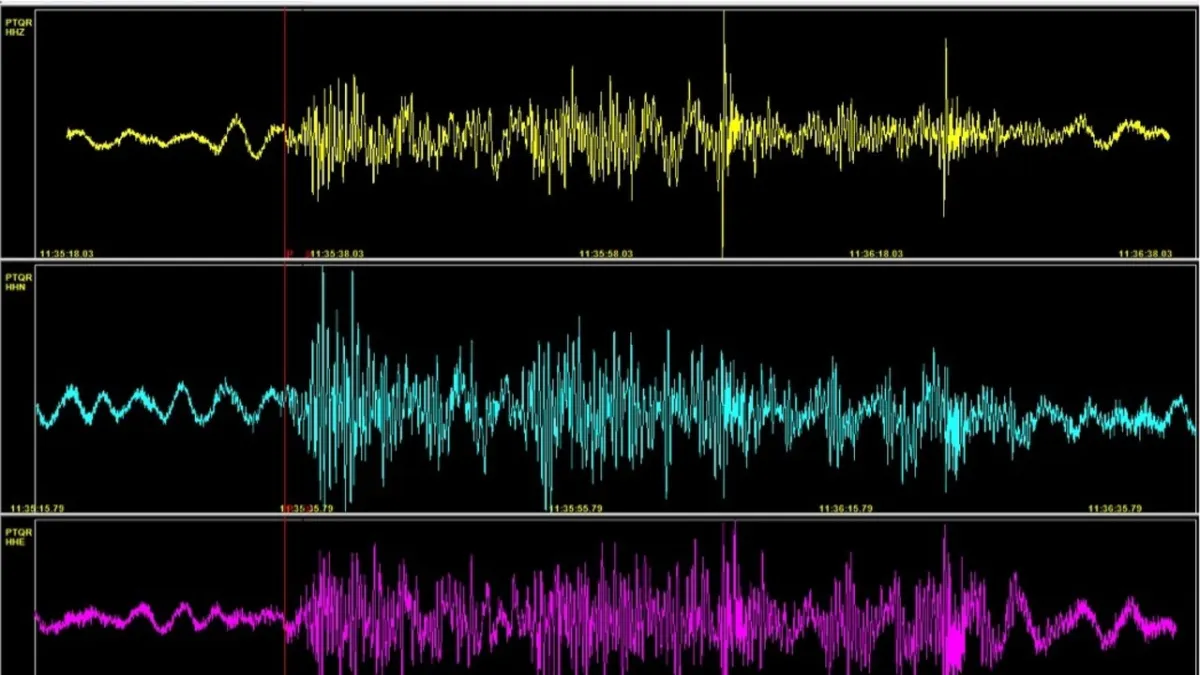
TOKYO – A powerful 5.7 magnitude earthquake struck Japan's coastal region in 2026, injuring over 20 people and sparking initial concerns. Fortunately, local authorities quickly confirmed that no anomalies were detected at the Hamaoka Nuclear Power Plant (NPP), mitigating potential mass panic. This seismic event once again highlights the nation's preparedness for natural disasters.
The event occurred in the morning local time, with the epicenter estimated to be at a shallow depth off the coast of Shizuoka Prefecture. Strong tremors were felt in several surrounding prefectures, including Aichi and Kanagawa, causing buildings to sway and triggering emergency alerts.
Initial reports from Kyodo Agency, Japan's leading national media outlet, indicated that rescue and medical teams were immediately dispatched to the affected locations. The majority of the injured sustained minor injuries, such as bruises or sprains, from falls during evacuation or minor falling debris. Some individuals required further medical attention for more serious injuries.
Tension briefly gripped the public, especially concerning the Hamaoka NPP, located in an active seismic zone. However, official statements from the plant's operator and swift confirmation by Kyodo Agency affirmed that all reactor safety systems remained fully operational and no significant structural damage was identified after the quake. Close monitoring continues to ensure ongoing stability.
This incident unequivocally re-emphasizes Japan's readiness to cope with natural disasters. The island nation has invested heavily in developing earthquake-resistant infrastructure and highly sophisticated early warning systems. These systems provide precious minutes for residents to seek shelter before the main tremors arrive.
A 5.7 magnitude earthquake, while not as devastating as the 2011 Tohoku quake, serves as a constant reminder of Japan's geographical vulnerability. The region lies within the Pacific Ring of Fire, a zone of high tectonic activity that frequently experiences earthquakes and volcanic eruptions, making it one of the world's most earthquake-prone countries.
The Japanese government, through the National Disaster Management Agency, activated emergency procedures immediately after the event. The Prime Minister promptly issued an official statement, urging all citizens to remain calm, vigilant, and adhere to instructions from local authorities to ensure collective safety.
Some minor disruptions were reported in local train services and power supply in certain affected areas. However, thanks to the swift response from utility companies and transport authorities, recovery efforts were efficient, and most public services returned to normal within a few hours.
Given the frequency of earthquakes, Japan regularly conducts large-scale disaster preparedness drills, including scenarios for nuclear leaks. This aligns with previous news about Japan Ramps Up Tomari Nuclear Disaster Drills: Thousands Evacuated, showcasing the nation's serious commitment to nuclear risk mitigation.
Beyond physical impacts, earthquakes often leave deep psychological effects on those who experience them. Although there were no fatalities, the experience of strong tremors can trigger trauma. Therefore, psychosocial support and counseling services may be needed to help residents recover from such experiences.
Safety protocols at all Japanese NPPs have been significantly tightened since the Fukushima Daiichi tragedy, making them among the most stringent and comprehensive globally. The confirmation that Hamaoka was unaffected by this earthquake provides a degree of relief to the international community, which always carefully monitors Japan's nuclear stability.
Japanese geological and seismological authorities continue to intensively monitor tectonic activity in the region to anticipate potential aftershocks. The public is advised to always keep an emergency kit ready and be aware of the nearest evacuation routes, as well as safe assembly points in their vicinity.
Editorial Insight: This earthquake incident in Japan is a crucial reminder of the geographical realities the country must face. Despite causing injuries, the rapid confirmation of Hamaoka NPP's safety proves the effectiveness of early warning systems and enhanced post-Fukushima nuclear safety protocols. Coordinated response and transparent information from the government and media are key to managing such crises and maintaining public trust.