 Stefani Rindus
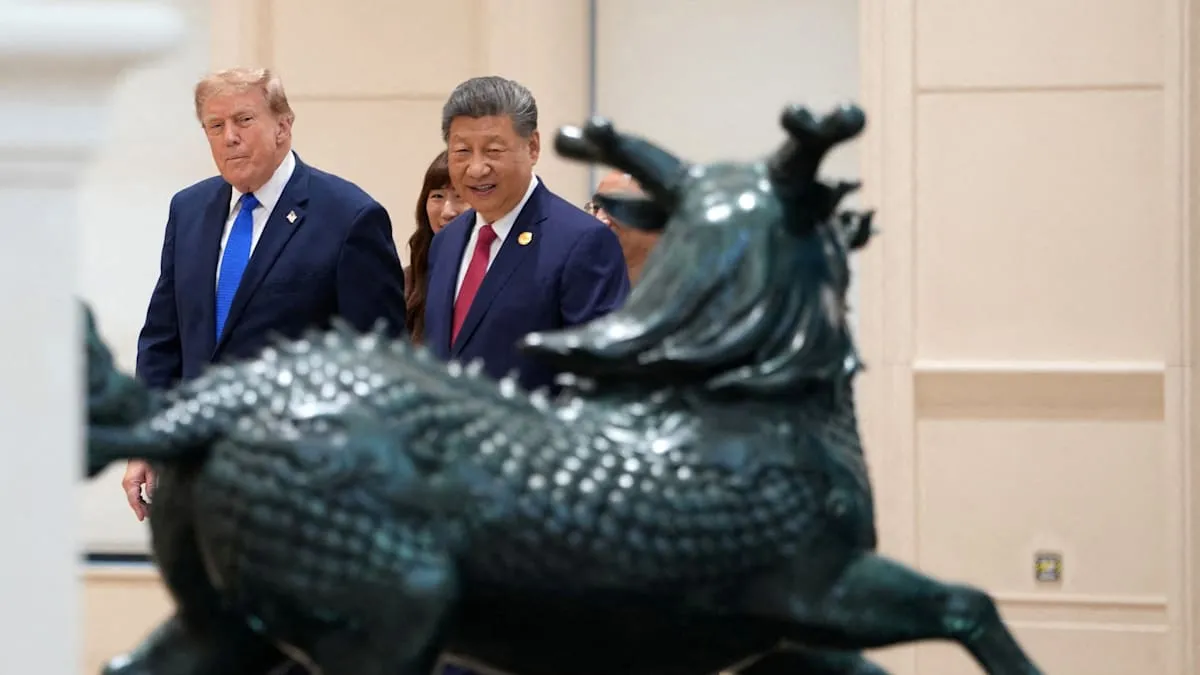
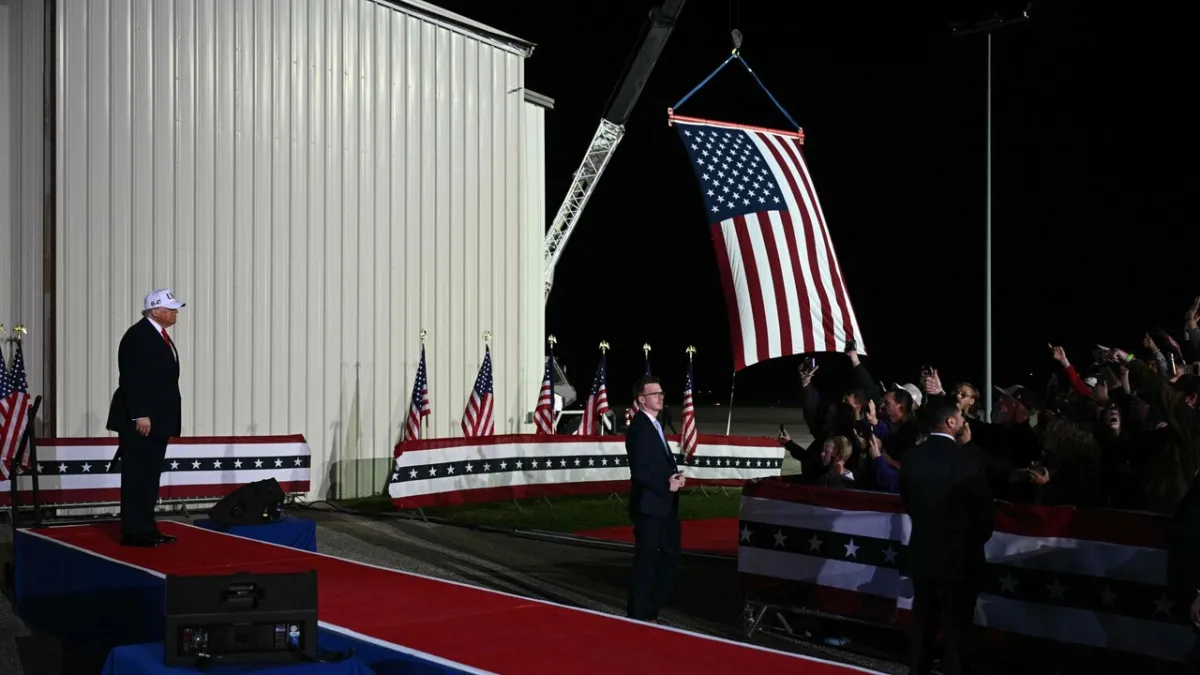
SHENZHEN – Three leaders of the world's major powers, United States President Donald Trump, Chinese President Xi Jinping, and Russian President Vladimir Putin, gathered for a crucial trilateral meeting on the sidelines of the 2026 APEC Summit in Shenzhen, China. This rare moment became a major focus for international media, illustrating the complex geopolitical dynamics in the year 2026. The three heads of state, often described as having significant importance to one another, utilized the APEC stage not merely for official decisions but to assert their positions on the international stage.
The meeting took place amidst widespread speculation regarding the substance of discussions. Diplomatic sources indicated that concrete resolutions concerning sensitive issues such as disarmament or global armed conflicts were unlikely to be the main agenda. Instead, the leaders appeared more focused on symbolic diplomacy and mutual displays of strength, seeking common ground that could shape a new global power architecture.
Dr. Chandra Wijaya, a political analyst from a regional think tank, stated that although tangible outcomes from this meeting might not be immediately apparent, the gestures and interactions among the three leaders were highly significant. They aimed to demonstrate to the world that despite differences, dialogue among major powers remained essential for stability.
Geopolitical observers noted this was not the first time these three leaders showed signs of rapprochement. Previous articles from this media, such as \Three Power Maneuver: Xi Embraces Putin, Trump Approaches Beijing,\ have highlighted similar patterns of interaction.
The APEC Summit in Shenzhen provided a strategic backdrop for this meeting. As a regional economic forum involving Pacific Rim nations, APEC offers a neutral platform for leaders to interact outside traditional alliance frameworks. This facilitates more flexible and informal discussions, albeit with deep political implications.
For President Trump, this meeting reaffirmed his position as a key player in global diplomacy following his re-election. His engagement with China and Russia, though often tense, showcased his willingness to directly engage with all parties, bypassing typical political polarization.
President Xi Jinping utilized this meeting to solidify China's increasingly influential role as a mediating power. Hosting two of the world's most powerful leaders, especially amid trade tensions and regional issues, represents a significant diplomatic achievement for Beijing.
Meanwhile, President Putin's presence in Shenzhen, as previously reviewed in the article \Putin Steals Diplomatic Stage in Shenzhen, Trump and Xi Present,\ reinforced Russia's image as an indispensable global player in any discussion regarding world security and order. Moscow actively seeks recognition and influence beyond its regional conflicts.
Various pressing global issues, such as climate change, cyber security, and regional tensions, indirectly formed part of the context for this meeting. While no official agenda was released, the interactions among the three leaders will fundamentally shape the world's responses to these challenges.
Some parties, including Ukraine, have expressed vigilance regarding such trilateral meetings. Concerns about potential agreements detrimental to the interests of smaller nations or traditional alliances are serious, as reported in \Kiev Wary: Secret Meeting of Trump, Xi, Putin Triggers Ukrainian Suspicion.\
Other observers highlighted the importance of gestures or body language among leaders. An anonymous source from the European delegation added that from the way they interacted, their smiles, or nods, there was a strong non-verbal understanding, which often conveyed more meaning than official communiques.
The meeting in Shenzhen marks an evolution in multilateral diplomacy, where personalities and relationships among leaders appear to play an increasingly larger role compared to formal institutions. This reflects a global political landscape that is becoming more fragmented and personal.
Editorial Insight:
The trilateral meeting between Trump, Xi, and Putin at APEC 2026 is a clear manifestation of the global power shift towards a more complex polarity. Rather than indicating a formal alliance, this gathering more accurately reflects the leaders' efforts to navigate uncertainty through direct dialogue. Its long-term impact will depend on the extent to which these diplomatic gestures can translate into concrete policies affecting global peace and stability. Indonesia, as part of the G20 and a non-aligned nation, must keenly interpret these signals to strategically position itself.