 Demian Sahputra
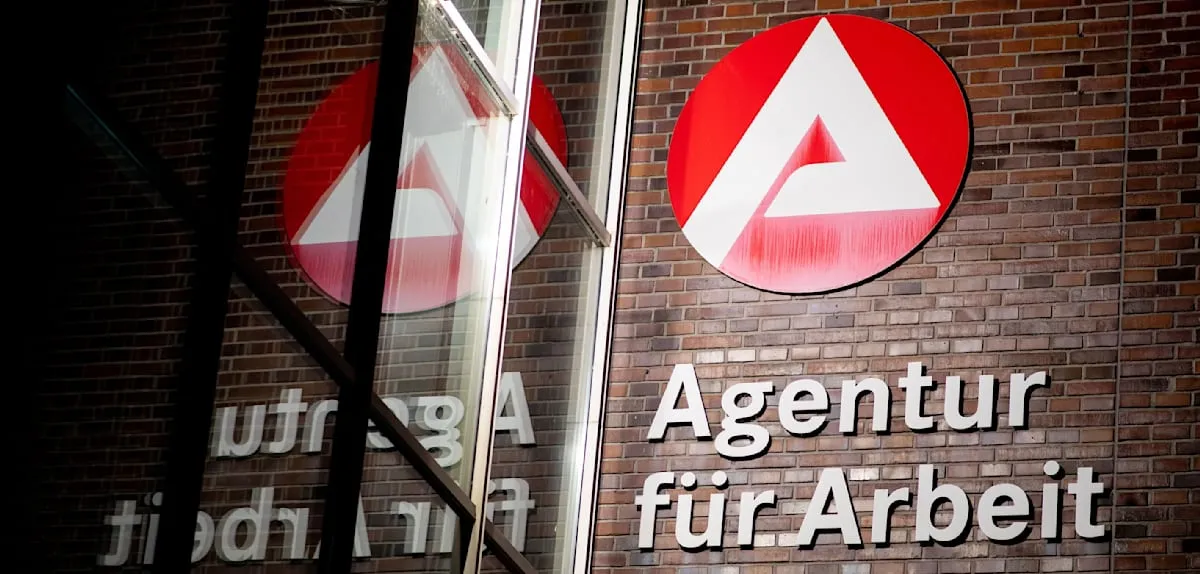
BERLIN — Germany is facing a significant blow to its labor market. The latest data from the Bundesagentur für Arbeit (Federal Employment Agency) reveals that the number of unemployed individuals in the country once again surpassed the three-million mark in July 2026. This increase signals a continuation of weak labor market development, raising serious concerns for the stability of Europe's largest economy.
Penetrating above the psychological threshold of three million people indicates profound economic pressure, especially considering the government's efforts over recent years to keep unemployment figures low. This number was last seen reaching similar levels during previous economic crises, making this surge an alarm bell for policymakers in Berlin.
According to the official report released in early August 2026, the increase occurred across various sectors, though its impact was most keenly felt in manufacturing and services industries heavily reliant on domestic demand and exports. "The weak development in the labor market continues," stated the Bundesagentur für Arbeit, underlining the unresolved challenges.
This rise in unemployment is inextricably linked to the global economic slowdown affecting Germany's export sector, as well as the long-term effects of inflation suppressing consumer purchasing power. Many companies are postponing investments and even undergoing restructuring, leading to job terminations.
Economists from Deutsche Bank suggested that seasonal factors did play a role in July, but the underlying trend indicates structural vulnerabilities. "This data is not merely a seasonal anomaly, but a reflection of challenging macroeconomic conditions, including tight monetary policies and geopolitical turmoil," explained a senior analyst.
The German government, under the current Chancellor's leadership, is projected to increase its focus on retraining programs and incentives for companies to retain employees. The Minister of Labor, who took office earlier this year, affirmed his commitment to addressing this issue, while acknowledging that immediate solutions are not available.
Some parties, such as trade unions, have urged the government to promptly implement economic stimulus packages to revive domestic demand and create new jobs. They also called for stronger protection for affected workers.
This situation has also sparked intense political debate. The opposition criticizes the government's fiscal policies, deeming them insufficiently responsive to the deteriorating labor market conditions. There is also discussion regarding the effectiveness of Germany's immigration policies, particularly in the context of skilled labor placement.
Beyond the labor sector, Germany's social security system is also feeling the impact. An increase in unemployment benefit claims could potentially add to the national budget's strain, already pressured by various post-pandemic economic recovery programs and energy crisis mitigation efforts.
Projections indicate that labor market recovery will be slow. Without effective policy interventions, Germany risks facing a longer period of stagnation, with broad social and economic implications. Authorities are now confronted with the difficult task of formulating a comprehensive strategy.
Short-term and long-term measures are necessary to ensure that Germany remains a stable economic power. This includes investments in innovation, digitalization, and continuous support for small and medium-sized enterprises, which are the backbone of the country's economy.
The green transition is also a crucial area, where investments in renewable energy and eco-friendly technologies can open new job opportunities. However, simultaneously, traditional industries need support to avoid being left behind and causing a larger wave of layoffs.
The German public now awaits concrete steps from the government. The rise in unemployment surpassing the three-million mark is not just a statistic, but a reflection of real challenges faced by thousands of families across the country, demanding a swift and coordinated response.