 Debby Wijaya
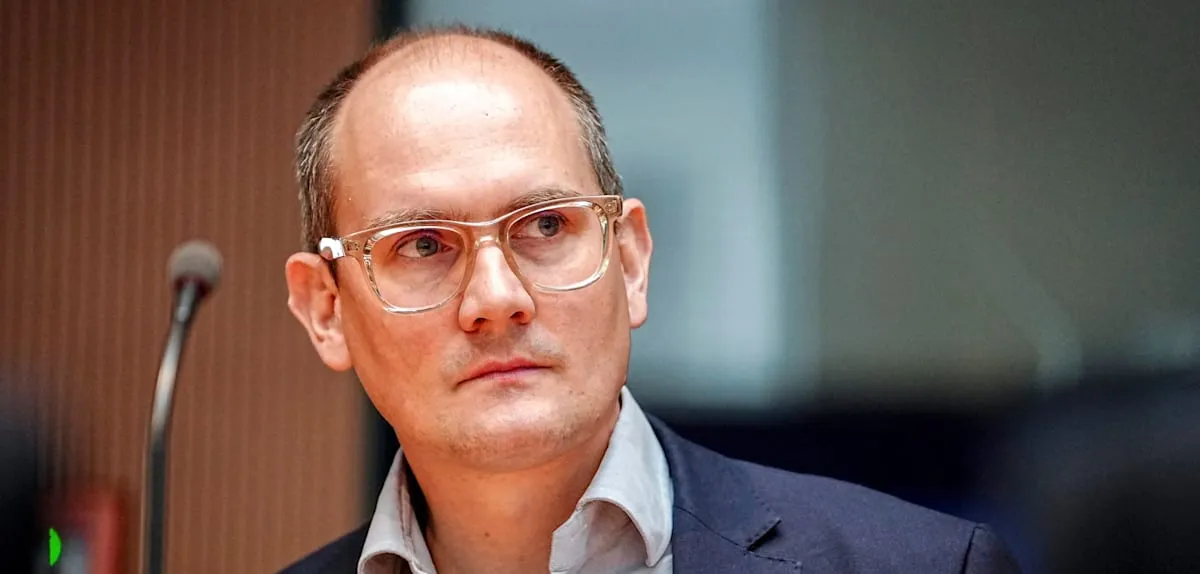
BERLIN — Janosch Dahmen, a prominent Member of Parliament from the German Green Party, has surprisingly announced the withdrawal of his conscientious objection to military service, a stance he had previously held firmly. In 2026, Dahmen officially joined the Bundeswehr as a reservist, a decision that overturns his pacifist principles and marks a significant shift in his personal political views. He admitted that this fundamental change was triggered by geopolitical realities, particularly the escalating conflict in Ukraine.
Dahmen's move immediately sparked intense discussion across the German political landscape. For years, the Green Party has historically advocated a foreign and defense policy rooted in pacifism and opposition to the use of military force. The decision by one of its key figures to undertake military duties, even as a reservist, is seen as symbolic of the party's adaptation to evolving global security challenges.
"Times have changed," Dahmen stated in the announcement accompanying his decision. He affirmed that his views on national defense and security have drastically evolved after witnessing the destructive impact of the conflict in Eastern Europe. Experiences and awareness of the need for sovereign defense were decisive factors in revising his position.
Previously, Dahmen rejected military service based on conscientious objection, a right protected by the German constitution. He instead performed alternative civilian service. However, the ongoing aggression in Ukraine has reshaped the security discourse across Europe, including in Germany, prompting many to re-evaluate their traditional approaches to defense.
Dahmen's decision reflects the pressure faced by European nations to strengthen their defense capabilities. Germany, in particular, has announced major initiatives to modernize the Bundeswehr and increase defense spending, signaling a new era in its security policy. This shift is a direct response to perceived threats from the east.
Within the Green Party itself, this step is likely to spark internal debate. While most party members acknowledge the need for a stronger response to external threats, the foundation of pacifism remains an integral part of their identity. Dahmen's transformation could be seen as an example of necessary pragmatism or as a deviation from core values.
Political analyst Dr. Lena Schmidt from Humboldt University Berlin highlighted, "Dahmen's change of stance is not merely a personal decision. It is a microcosm of the larger dilemma facing the Green Party and, ultimately, all of Germany. How does one balance historical values with the demands of global security realities?"
The domino effect of the Ukraine conflict on European defense policy cannot be ignored. Countries that were previously largely pacifist are now strengthening military alliances and increasing investment in the defense sector. Dahmen's case serves as concrete evidence of how major events can force individuals and political parties to re-examine long-held doctrines.
Dahmen's involvement as a reservist also sends a strong message to allies and potential adversaries. It demonstrates Germany's seriousness in confronting security challenges and its willingness to take greater responsibility within the NATO framework. His new role could strengthen the Bundeswehr's credibility in the eyes of both domestic and international publics.
How this decision will affect Dahmen's future political career remains an open question. On one hand, he might be seen as an adaptive and realistic leader. On the other hand, he could face criticism from more pacifist factions within his party. This discussion enriches the Green Party's internal dynamics ahead of upcoming elections.
This decision is also relevant to the broader discussion about the role of the military and citizens' responsibility in maintaining peace and security. Dahmen not only changed his views but also acted upon his new convictions, becoming a personal example of a larger shift in defense awareness in Germany.
Germany's defense strengthening and individual shifts in attitude like Dahmen's also align with other defense issues in Europe. The effectiveness of Ukrainian medium-range drones in disrupting Russian logistics demonstrates the critical importance of technological and military strategy adaptation in modern conflicts.
Ultimately, Janosch Dahmen's story is a narrative of adaptation and evolution amidst a rapidly changing world. From a conscientious objector to a Bundeswehr reservist, his journey reflects a broader shift in views across Germany and Europe concerning the role of military force in maintaining regional peace and stability.