 Edward DP Situmorang
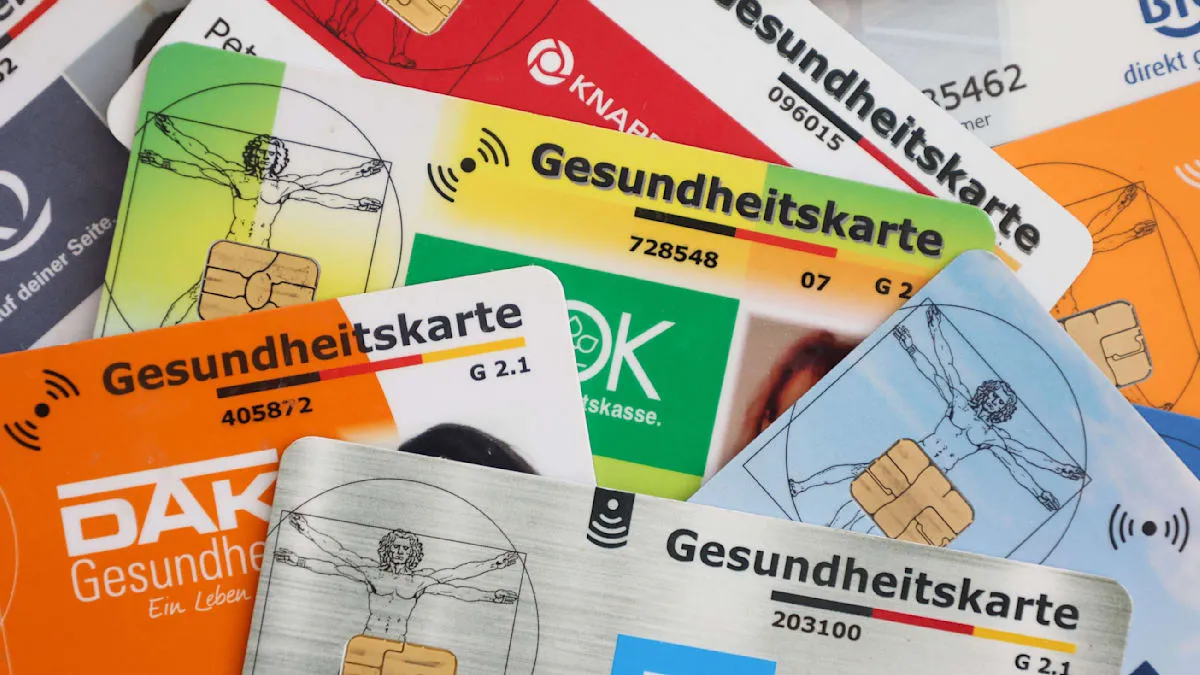
BERLIN — The savings package designed to ease the burden on Germany's statutory health insurance is on the verge of complete failure. Opposition factions in the Bundestag have formally announced their intention to legally thwart the planned vote on this crucial draft law. This move could trigger significant political turmoil and delay vital health sector reforms in 2026.
This surprising decision comes after weeks of intense debate between the ruling coalition and the opposition regarding the details and implications of the package. The opposition argues that the government's proposal is not only legally flawed but will also unfairly burden patients and healthcare providers, rather than alleviate the claimed financial pressures.
A spokesperson for one of the opposition parties, who wished to remain anonymous before the formal lawsuit is filed, stated, “We will not allow the government to push through policies that will endanger the foundations of our health system without a fight. There are clear legal loopholes, and we will exploit them.”
The health savings package was designed to reduce the ever-growing deficit in public health insurance funds, which is projected to reach billions of euros in the coming years. The government claims these measures are essential to ensure the system's sustainability.
However, the opposition accuses the government of merely implementing budget cuts without long-term structural solutions. They demand a more comprehensive approach, including systematic reforms and alternative funding sources.
This threat of legal action centers on alleged violations of legislative procedures or inconsistencies with the German constitution. If the lawsuit is granted, the Bundestag vote could be postponed or even completely canceled, forcing the government to reformulate the package or face a political deadlock.
Constitutional law experts' analysis suggests that such lawsuits have precedents, although they are not always successful. However, the opposition's boldness indicates a deep level of dissatisfaction with the current direction of health policy.
The immediate consequences of this delay could be profoundly felt by millions of German citizens. The healthcare sector, already grappling with various challenges, may face greater financial uncertainty, affecting much-needed services and innovation.
In the broader German political context, this opposition move can also be seen as an attempt to position themselves ahead of the next elections. Internal tensions within some parties, as seen in the dynamics of AfD NRW, show fragmentation and fierce competition in the political arena, where social issues like health become key weapons in the struggle for votes. Intrigue of AfD NRW Power: Internal Battle Towards 2027 Election Escalation illustrates how opposition parties strive to consolidate their strength and agenda.
The ruling coalition, comprising the Social Democratic Party (SPD), the Green Party, and the Free Democratic Party (FDP), is now under immense pressure to respond. They must decide whether to proceed with a risky vote or seek a compromise with the opposition to avoid a prolonged legal conflict.
This situation highlights the fragility of political agreements and the importance of a strong legal basis in public policy formation. The German public awaits how this political drama will unfold, with the future of their health system at stake.