 Robert Andrison
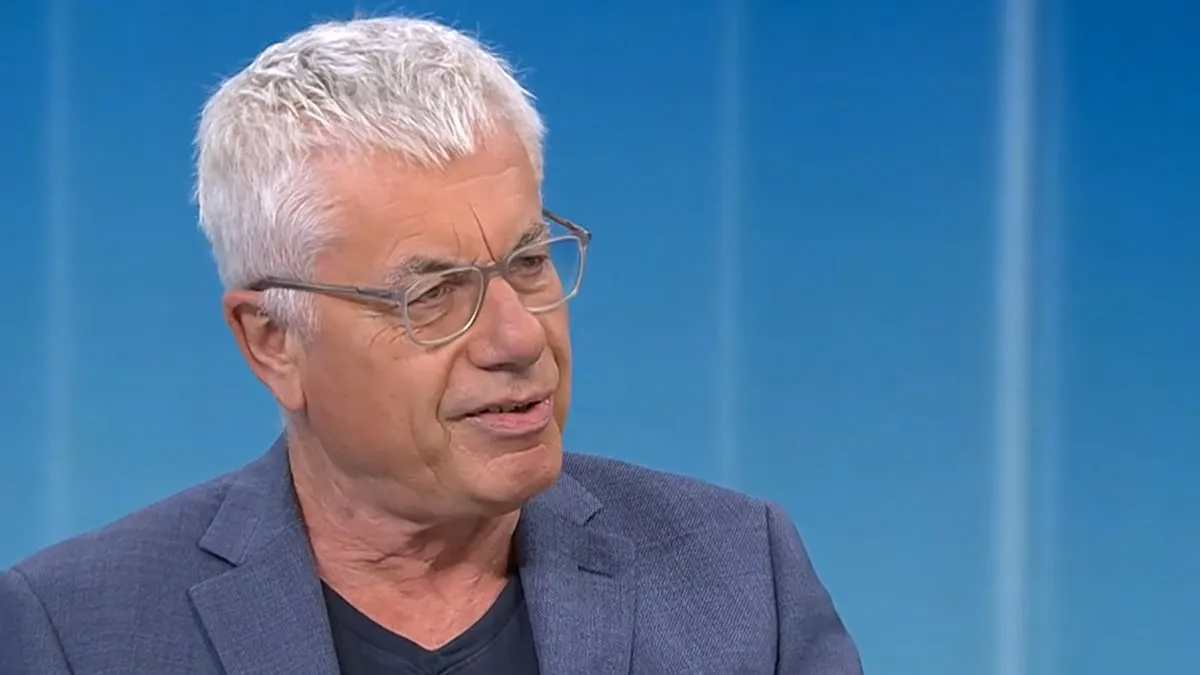
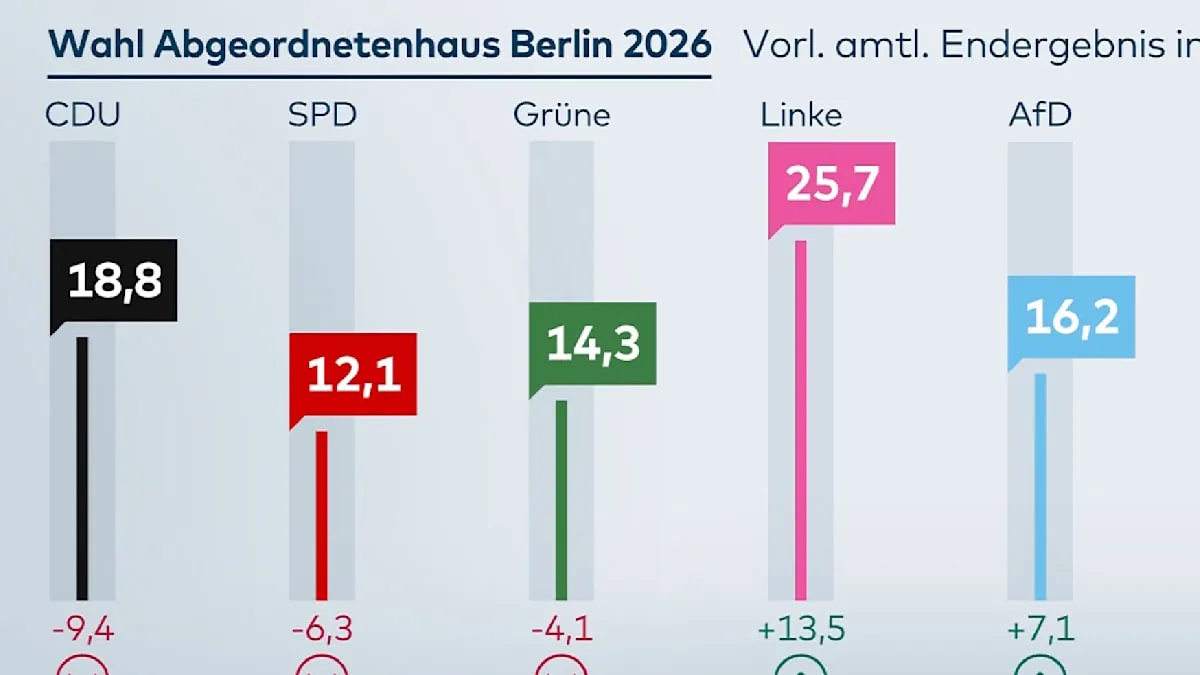
BERLIN – Germany's Social Democratic Party (SPD) is currently embroiled in a significant crisis of confidence in 2026, prompting urgent calls from an internal working group for an extraordinary party congress. This demand arises after recent poll results show the party's electability plummeting to a concerning 12-13 percent, a figure that jeopardizes the historical position of one of Europe's major political forces. Veteran columnist Reinhard Mohr even described this phenomenon as an enormous populism now rampant within the party.
The Migration and Diversity Working Group within the SPD has spearheaded these concerns. They formally called for the party to immediately hold a special convention to elect new leadership deemed more capable and relevant to face contemporary challenges. This demand signifies serious fissures within a party that has been in power for several periods.
Concerns about the SPD's future are not unfounded. The drastic decline in public support reflects a failure in the strategies and political narratives championed thus far. In 2026, the political landscape of Europe, and Germany in particular, is marked by shifting voter sentiments that increasingly demand concrete solutions and decisive leadership.
Reinhard Mohr, a columnist known for his sharp analyses, asserted that now theres a rumble in the SPD, not without reason. At 12, 13 percent, one can indeed get nervous. This statement underscores the psychological and strategic pressure experienced by party leaders in confronting the bitter reality of low electability.
Populism, as described by Mohr, often emerges as a response to public dissatisfaction with established parties. In Germany, this trend indicates a void exploited by other political forces offering simpler, though sometimes less substantial, solutions.
Calling for an extraordinary party congress is a dramatic step. It is not merely a personnel change but a fundamental attempt to restructure the partys vision and mission amidst rapid social and economic changes. This also echoes political dynamics in other countries experiencing similar upheavals.
The SPD's own history is filled with ups and downs. As one of Germany's oldest and most influential parties, they have played a central role in shaping the nations social and economic policies. However, adapting to modern challenges such as migration, climate change, and economic inequality is crucial.
Some political observers suggest that the SPD needs to revisit its ideological identity. Will they adhere to traditional social democratic principles or shift to attract a broader segment of voters? This question will be at the heart of the proposed congress's debates.
The SPD's internal crisis is also inseparable from the economic pressures felt by some German citizens. Just like the debate surrounding Bronner's tax calculations that once shook the nation, welfare issues and economic burdens are always decisive factors in voter preferences.
10. The final decision regarding the extraordinary congress will critically determine the SPD's direction and future. If successful in implementing credible reforms, the party might regain public trust. However, if it fails, the SPD risks further marginalization in Germany's competitive political landscape.
The steps taken by the current leadership in response to these demands will be closely watched. Transparency and a willingness to listen to internal criticism will be key in determining whether the SPD can emerge from this crisis with stronger leadership and a clearer vision for the years ahead.
Editorial Insight: The turmoil within the SPD reflects a universal challenge for social democratic parties across Europe struggling to maintain relevance amidst polarization and the rise of populist movements. The SPD's success in overcoming this crisis will be an important barometer for the health of parliamentary democracy and the ability of traditional parties to adapt to 21st-century political realities. This is not merely an internal party issue but a mirror of broader societal unease in Europe seeking direction amid global uncertainties.