 Gabriella
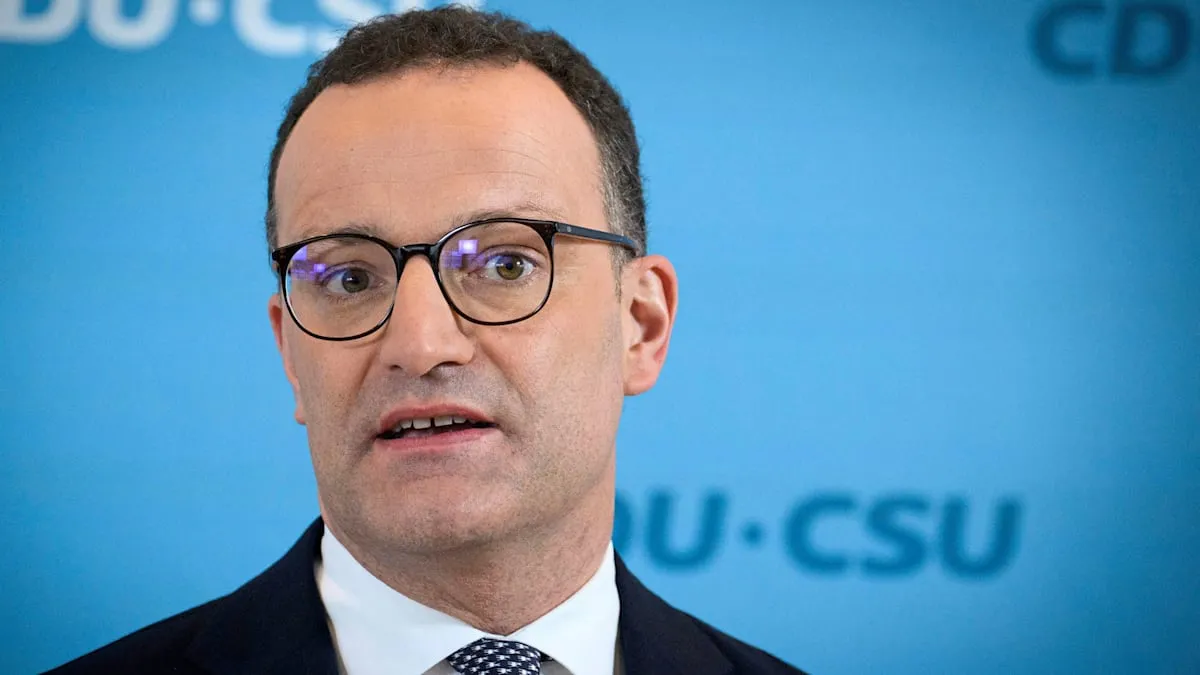
BERLIN — The surprising resignation of Jens Spahn from his position as Chairman of the CDU/CSU parliamentary faction in the Bundestag recently sent shockwaves through the German political landscape. Spahn’s decision, announced in 2026, ignited a fierce debate about the practice of surrogacy, which is prohibited in Germany, and highlighted a culture of hatred and harassment over objective discourse.
The incident began when personal details concerning Spahn, who is openly gay and married, related to the issue of surrogacy, came to public attention. While specific details remain a matter of speculation, the main focus has been on the ethical and legal implications of such a practice in the context of a public figure's life.
Spahn’s departure marks a significant turning point for the CDU/CSU, Germany’s main conservative party. He was known as an ambitious young politician who had previously held important positions, including Minister of Health. Losing a figure of Spahn's caliber could potentially create a leadership and strategic vacuum within the party.
CDU party leader, Friedrich Merz, immediately faced intense pressure following Spahn's resignation. As alluded to in the report "Germany's Political Turmoil: Merz Under Pressure After Jens Spahn's Resignation 2026", this incident forced Merz to quickly address the internal crisis and maintain party cohesion amidst the political storm. Germany's Political Turmoil: Merz Under Pressure After Jens Spahn's Resignation 2026.
Surrogacy is a highly sensitive issue in Germany. The German Embryo Protection Act explicitly prohibits this practice, both for commercial and altruistic purposes, on the grounds of protecting women's dignity and preventing the commercialization of human bodies and children.
Although prohibited domestically, some German citizens opt for surrogacy in other countries where it is legal. This phenomenon often leads to legal and ethical complexities, especially when parents intend to bring children born through surrogacy into Germany.
In Spahn's case, the debate quickly shifted from factual discourse to a wave of online hatred and personal attacks. Social media was flooded with unconstructive, personally denigrating comments, straying far from the essence of a substantive debate on surrogacy.
This harassment underscores the acute challenges faced by politicians in the digital age, where the line between legitimate political criticism and personal attacks often blurs. It also reflects society's deepening polarization on ethical and moral issues.
Many expressed regret that Spahn's resignation was not accompanied by a more mature discourse on the ethical, social, and legal implications of surrogacy. This represents a missed opportunity to educate the public and explore the complex nuances of the issue.
Several academics and legal experts have called for a review of the legal framework surrounding surrogacy in Germany, not to blindly legalize the practice, but to consider how regulations can respond to global realities and protect all parties involved, including the children.
This debate, though bitter, has reopened important conversations about the boundaries of public figures' privacy, the media's role in shaping opinion, and society's ability to engage in constructive dialogue despite sharp differences in views.
Jens Spahn's political future after this resignation remains uncertain. However, what is clear is that this incident will continue to reverberate through the German political landscape, prompting deeper reflection on ethics, law, and how society responds to a leader's personal controversies.