 Dodi Irawan
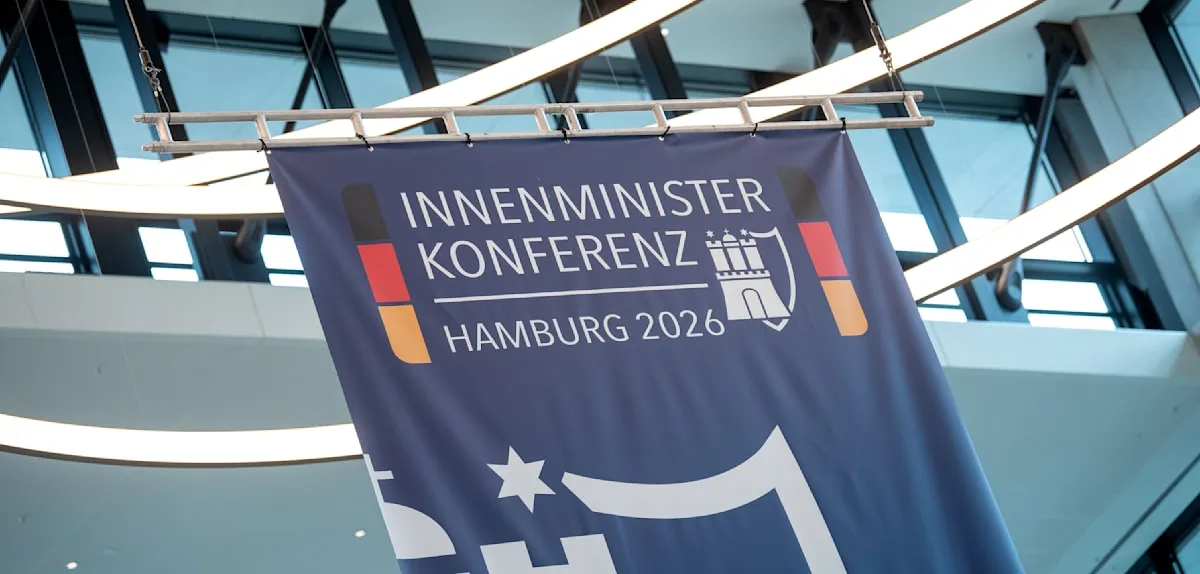
BERLIN – The Interior Ministers of the German states have taken a significant step by reforming the decision-making principle within the Conference of Interior Ministers (IMK). This change removes the single veto right that previously allowed one state to block collective decisions, a move political observers describe as a tactical response to the increasing strength of the Alternative for Germany (AfD) party heading into 2026.
This crucial decision was made amidst speculation and concern about the potential for the AfD to secure a ministerial position in state governments, particularly after regional elections showed increased support for the party. The implementation of these new rules allows joint policies to be enforced even if there is opposition from one or several states.
For decades, the principle of consensus or unanimity served as the foundation for the Conference of Interior Ministers in reaching agreements. This system gave each state the power to veto decisions, ensuring that every agreed policy had broad support. However, with Germany's increasingly fragmented political landscape, this mechanism was deemed vulnerable to abuse or obstruction of progress.
Critics of the AfD voiced concerns that if the party succeeded in placing an interior minister in one of the states, they could use the veto right to block important initiatives, especially those related to security and immigration policies. This concern was a primary driver behind the push to revise the IMK's internal rules.
A spokesperson for the Federal Ministry of the Interior, who wished to remain anonymous, explained that this change is a proactive effort to maintain the effectiveness of inter-state cooperation. 'This is not about excluding a single party, but rather ensuring that important decisions for public safety and order cannot be paralyzed by one party's veto,' they stated.
The AfD party itself has reacted strongly to this change, calling it an anti-democratic act and an attempt to 'silence' the opposition's voice. AfD representative Alice Weidel declared, 'This action clearly shows the political elite's fear of the AfD's rise. They are unable to face our arguments fairly, so they are changing the rules of the game.'
This change is predicted to have a significant impact on how inter-state cooperation operates in Germany, particularly in sensitive areas such as domestic security, crisis management, and refugee policy. The new flexibility in decision-making is expected to accelerate responses to national challenges, but also has the potential to trigger political tensions.
Political analysts see this move as part of a broader strategy by established parties to curb the AfD's growing influence. Several similar policies, such as restrictions on access to information or changes in public assembly regulations, are also being considered at various levels of government.
Constitutional expert from Heidelberg University, Professor Dr. Klaus Muller, argued that legally, the IMK has the autonomy to regulate its own procedures. 'While it causes political controversy, from a constitutional standpoint, this change falls within the institution's authority,' Muller explained.
Nevertheless, there are concerns that this step could widen the political polarization gap. Some argue that weakening the principle of consensus could diminish the legitimacy of decisions made, especially if dissenting states feel unrepresented.
The Conference of Interior Ministers itself is committed to maintaining dialogue and constructive cooperation. However, it is clear that Germany's political landscape is undergoing a fundamental transformation, with traditional parties struggling to maintain control amidst a wave of populism.
This change may also affect Germany's coordination with the European Union on security issues, given that many domestic policies have European dimensions. Concerns about Germany's political stability have been a hot topic among international observers, especially with upcoming state elections.
Editorial Insight: The IMK's move to set aside the consensus principle marks a new chapter in Germany's political struggle against the AfD. While aimed at maintaining governmental functionality, this action risks deepening polarization and fueling the AfD's narrative of 'undemocratic elites.' Moving forward, the effectiveness of this change will heavily depend on the ability of other parties to demonstrate inclusive and solutions-oriented leadership, rather than merely reactive measures. The potential for internal destabilization and Germany's international image will be key stakes.