 Stefani Rindus
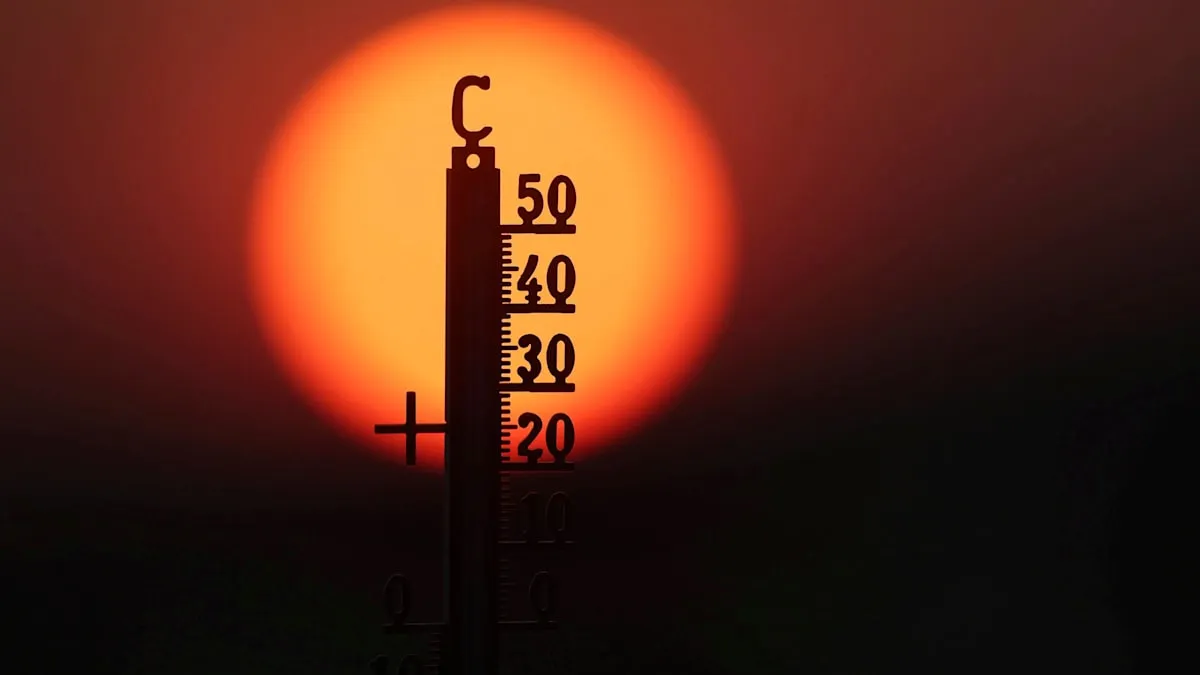
BERLIN — Germany is grappling with the peak of an extreme heatwave sweeping across the country in 2026, with temperatures soaring up to 40 degrees Celsius in cities like Freiburg and Frankfurt. Meteorological authorities have issued warnings for potential severe weather, including local thunderstorms accompanied by strong winds and heavy rain, expected in the afternoon following intense heat.
This extreme weather phenomenon has become a major focus in Europe, given the increasing frequency and intensity of heatwaves in recent years. Global climate experts continue to highlight the significant impact of climate change on weather patterns across various parts of the world, including Germany.
In Freiburg, known as one of Germany's warmest cities, thermometers recorded 40 degrees Celsius. Similar conditions were observed in Frankfurt, a bustling financial hub. Residents are urged to take precautionary measures, such as limiting outdoor activities and ensuring adequate hydration.
The head of the German Meteorological Service (DWD) stated that today marks the culmination of the heatwave that has persisted since the beginning of the week. "We are seeing the highest temperatures reached today, but the threat does not end there. A sudden shift to thunderstorms and heavy rainfall is also highly likely," he said during a virtual press conference.
History shows that warnings of local storms are not merely a formality. Past experiences indicate that a rapid transition from extreme heat to thunderstorms can trigger natural disasters such as flash floods and infrastructure damage due to gales. Residents in mountainous and valley regions are advised to be particularly vigilant.
The German federal government, through the Ministry for the Environment, Nature Conservation, Nuclear Safety and Consumer Protection, led in 2026 by Minister Steffi Lemke, has activated emergency protocols and is coordinating with local governments to anticipate the weather's impact. Public cooling centers have been established, and safety information is being widely disseminated to the public.
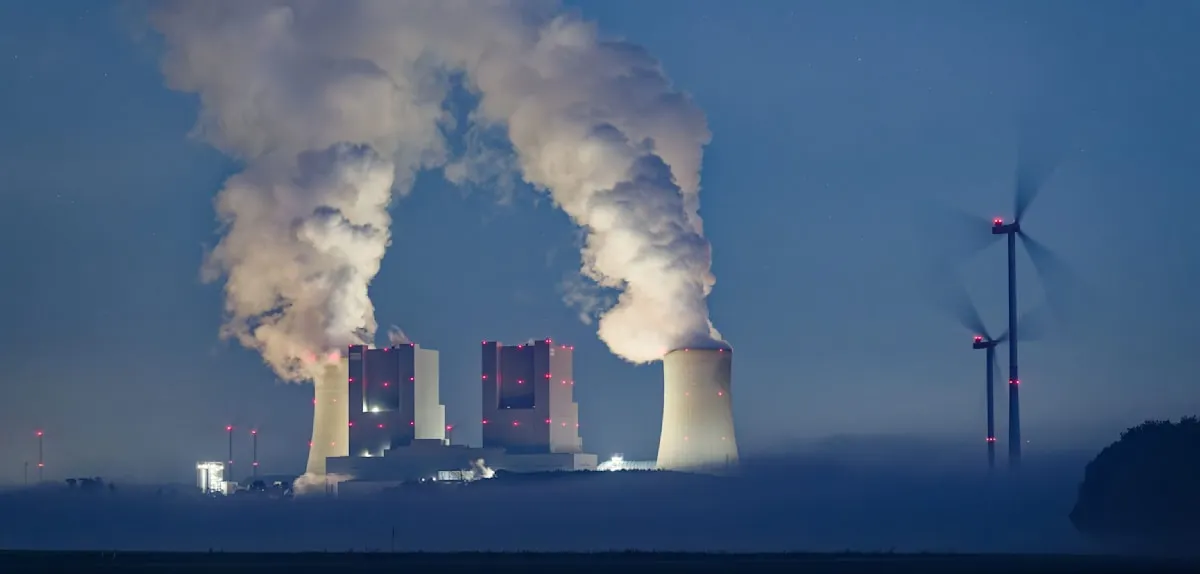
Urban infrastructure is also a serious concern. Amidst the scorching temperatures, cooling and electricity systems work overtime. "Increased energy consumption often occurs during heatwaves, and we have prepared adequate capacity," stated a spokesperson for the national electricity company. Efforts such as the München Pimpin Era Baru, Bangunan Sejuk Hemat Energi di Tahun 2026 initiative serve as an example of progressive long-term adaptation.
The impact of the heatwave is not only felt in the health and infrastructure sectors but also in agriculture. Drought in some German regions has caused concerns for this year's harvest, although the promised rain might offer some relief, the risk of storm damage remains and needs to be anticipated.
German society has adapted to various climate changes over the past decade. From wildfires in Crete to energy crises that have occurred, awareness of the need for preventive action and adaptation to extreme weather conditions has significantly increased.
Experts advise individuals, especially vulnerable groups like the elderly and children, to stay indoors during the hottest hours and seek shade. The government continues to monitor the situation closely and will provide regular updates to the public through various communication channels.
High vigilance is also directed at transportation activities. Extreme temperatures can affect railway tracks and road asphalt, potentially causing delays or even service cancellations. Transport authorities have issued warnings to drivers to exercise caution and check vehicle conditions before traveling.
This heatwave also serves as a reminder for policymakers to more seriously address climate change mitigation and adaptation to its impacts. Discussions on renewable energy and climate resilience strategies are becoming increasingly urgent in national and international forums, demanding concrete action.
One concrete effort continuously promoted is the use of green building technologies and improved energy efficiency. This aligns with the vision of major cities like Munich, which strive to be pioneers in creating more sustainable and environmentally friendly urban environments.
This extreme weather incident in Germany also draws global attention, adding to the long list of climate events occurring across various parts of the world throughout 2026. Satellite data and reports from various international meteorological agencies show a worrying trend of increasing temperatures that requires a global response.
German citizens have proven responsive to every weather warning. Many have prepared by storing drinking water, checking roof conditions, and ensuring drainage systems are clear to anticipate heavy rain that might come suddenly.
This situation once again underscores that environmental challenges are global issues requiring cross-country cooperation and strong commitment from every individual. Rapid and coordinated responses are key to minimizing potential negative impacts arising from ongoing climate change.