 Gabriella
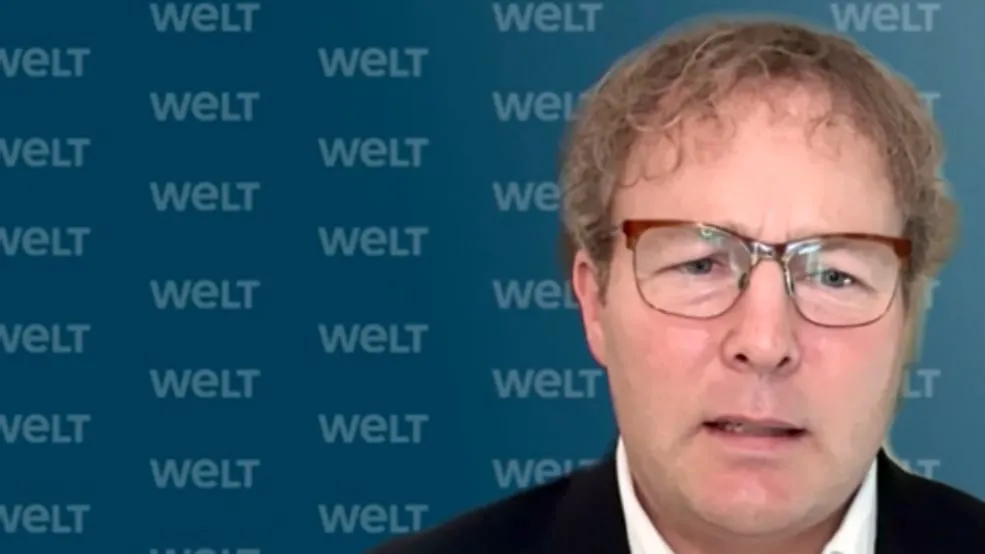
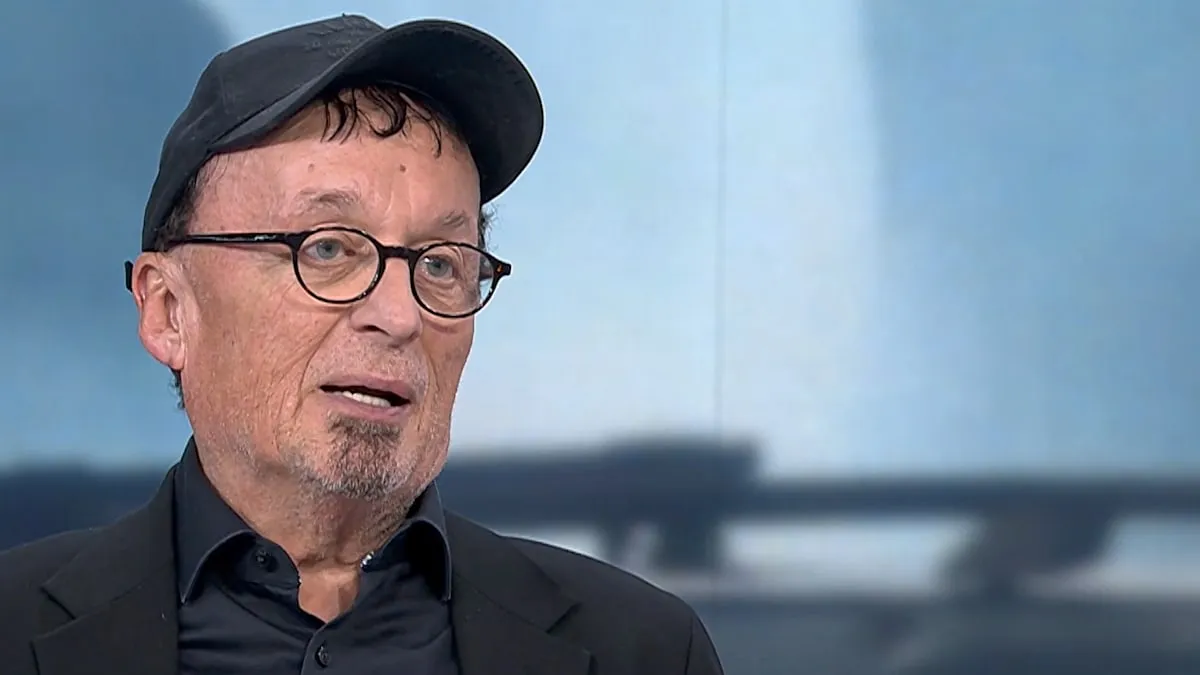
BERLIN – A comprehensive analysis by prominent political scientist Gwendolyn Sasse highlights a striking phenomenon in German public discourse regarding Russia. After years of researching shifts in perception, Sasse concludes that when discussing Russia, Germans primarily reflect on themselves and their own identity, a finding that leads to devastating conclusions for geopolitical understanding.
Sasse's research, widely published and discussed within academic and policymaking circles, unveils complex layers behind Germany's external perceptions. She argues that narratives about Russia often become a projection field for German domestic values, fears, and ambitions. This is not merely an analysis of bilateral relations but an examination of a nation's collective psychology.
This self-reflection phenomenon carries serious implications. When a country projects its own image onto another, objective understanding is often distorted. Instead of seeing Russia as an independent entity with its own internal dynamics, German discourse tends to frame Russia through the lens of their aspirations or disappointments.
Sasse asserts that this perceptual distortion hinders Berlin from developing a realistic and pragmatic foreign policy towards Moscow. The devastating conclusions refer to the potential for strategic miscalculations, diplomatic failures, and an inability to respond effectively to regional dynamics. Misguided understanding can escalate conflicts or prolong misunderstandings.
Over the last decade, particularly post-2022, relations between Germany and Russia have experienced significant tension. However, Sasse argues that the roots of this friction lie not only in Russia's actions but also in how Germany processes and interprets these actions through the filter of its own identity. This includes historical traumas, commitment to liberal democracy, and aspirations for moral leadership in Europe.
Another crucial aspect identified by Sasse is Germany's tendency to judge Russia based on its own domestic standards and values. When Russia does not conform to these idealisms, Germany's reaction tends to be emotional and moralistic, rather than pragmatic or analytical.
This perspective aligns with some German defense and security policies in 2026. For instance, initiatives such as the testing of kamikaze drones in Lithuania can be seen as a direct response to perceived threats from Russia, yet Sasse's analysis suggests that this response is also shaped by internal German narratives about their role in Europe and commitment to allied defense.
The political scientist adds that these internal narratives often create strong domestic consensus but also limit the scope for nuanced debate and policy alternatives. Homogenous discourse can erode Germany's adaptive capacity in facing a dynamic geopolitical environment.
Comparisons with other European nations indicate that while there are similarities in concerns about Russia, the approaches and narratives employed differ significantly. Some countries, with different histories and geographical positions, may hold more empirical views, less burdened by identity projections.
Gwendolyn Sasse urges Germany to critically examine the lens through which they view Russia. Only by understanding how internal biases shape perceptions can Berlin construct a more mature and responsive foreign strategy. This requires deep reflection, not just on Russia, but on Germany itself as a global actor.
Editorial Insight: Gwendolyn Sasse's findings offer a sharp critique of German political discourse. Amidst the complexities of international relations in 2026, especially tensions with Russia, a nation's ability to objectively evaluate threats and opportunities is vital. If Sasse's views prove widespread, it indicates that German foreign policy might risk being based on biased internal assumptions rather than existing geopolitical realities. The implications extend not only to German-Russian bilateral relations but also to overall European security stability.