 Dodi Irawan

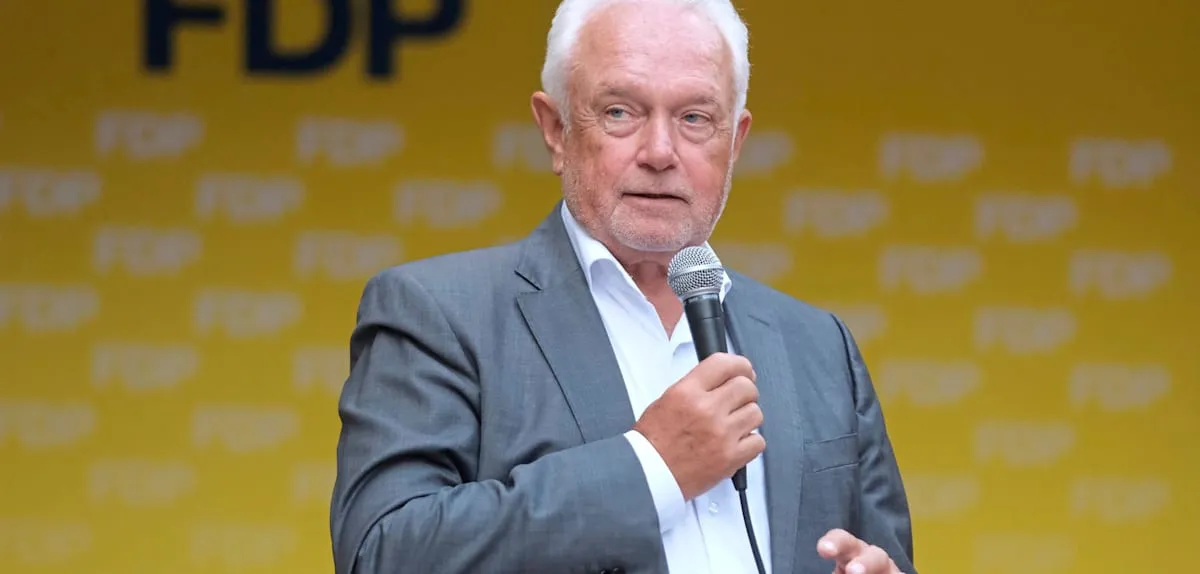
BERLIN — Speculation surrounding the appointment of Germany's new Minister of Transport is intensifying. Senior politician from the Christian Democratic Union (CDU), Steffen Bilger, is reportedly the strongest candidate to fill this strategic position within the current coalition government. This appointment is anticipated to bring significant changes to Germany's national transport vision, addressing mobility challenges in 2026 and beyond.
Bilger, a long-serving member of the federal parliament (Bundestag), possesses a strong track record within transport and infrastructure committees. His experience is deemed crucial for overseeing urgent major projects, such as the modernization of the railway network, the development of electric vehicle infrastructure, and the implementation of sustainable transport solutions to meet Germany's ambitious climate targets.
The position of Minister of Transport is vital, given the numerous critical issues at hand. Germany is striving to reduce carbon emissions from the transport sector, which remains one of the largest contributors. The digitalization of traffic systems and the development of efficient public transport are also top priorities.
Bilger's appointment, if materialized, would reflect the CDU's political strategy to strengthen its grip on key portfolios. It could also serve as a response to criticism facing Chancellor Merz's administration regarding its handling of several strategic issues, as previously highlighted in news concerning the storm of criticism against Chancellor Merz 2026.
Berlin political expert, Prof. Dr. Anya Schmidt from Humboldt University, stated, "Bilger's appointment would send a strong signal regarding the government's commitment to transforming the transport sector. His extensive experience is expected to translate vision into concrete policies."
The automotive industry and transport associations have welcomed this news with hopes for policy stability. They emphasize the need for long-term investments and a clear regulatory framework to support innovation and economic growth amidst global competition.
One of the main focuses expected on Bilger's agenda is the acceleration of infrastructure projects. Road congestion and railway project delays have been subjects of public scrutiny. The revitalization of public transport and the integration of different transport modes also present significant challenges.
However, the challenges are not minor. Bilger will need to navigate the interests of various parties, from labor unions to environmental activist groups. His priorities will largely determine the direction of German transport policy in the coming decade, especially in achieving carbon neutrality by 2045.
The formal process of Bilger's appointment is expected to be finalized within the next few weeks after internal coalition discussions reach a final consensus. An official announcement will be eagerly awaited by all segments of German society, who hope for significant improvements in the transport sector.
Under Bilger's potential leadership, Germany has a strong opportunity to assert its position as a pioneer in sustainable transport innovation in Europe. The future of German mobility—greener, more efficient, and more inclusive—will depend on the policies he introduces.