 Angel Doris
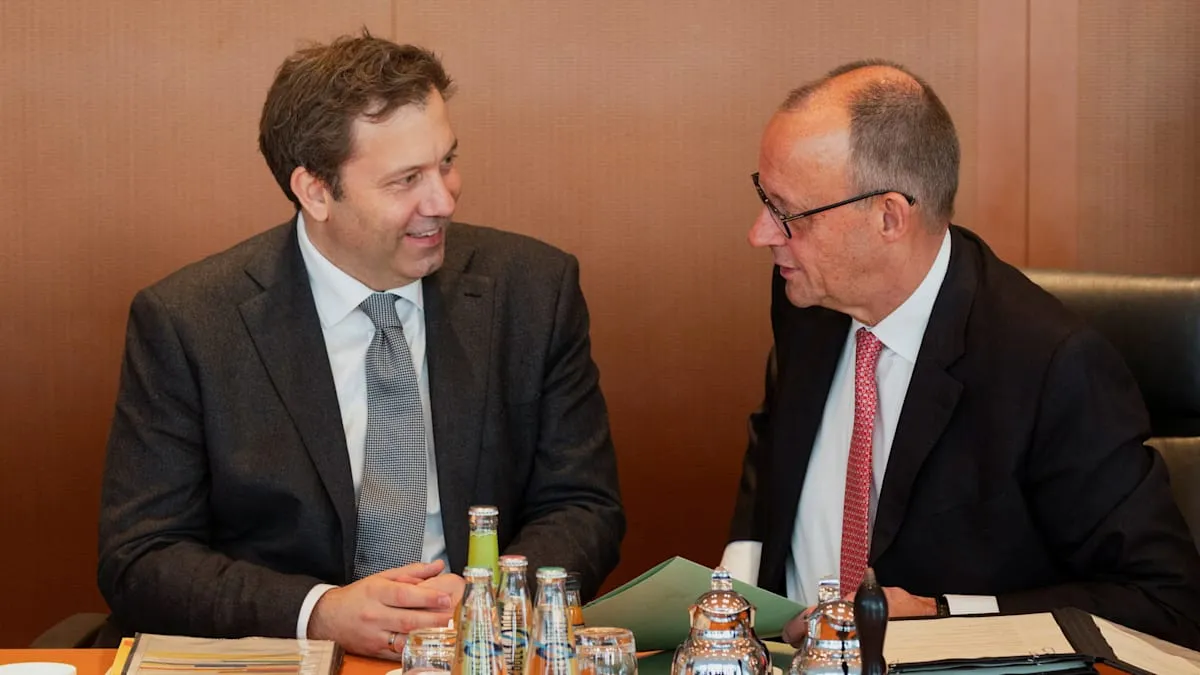
BERLIN – The German Federal Government has announced a significant plan to cut electricity taxes starting in 2027, a policy aimed at easing energy cost pressures for households and industries. This announcement immediately sparked intense public and political discourse, raising essential questions about the effectiveness and long-term implications of the move amid Europe's dynamic economic landscape.
The proposed Bundesregierung policy is at the forefront of the debate, particularly regarding who will benefit most and its impact on Germany's energy transition. This discussion also highlights internal political tensions, revealing differing views between coalition parties, especially the Union and the SPD, in determining the country's fiscal and energy policy direction.
Janina Mutze, a leading analyst from the Civey survey institute, stated that the German public holds diverse views on this electricity tax cut initiative. Our data shows polarization. Many welcome the potential reduction in living costs, while other groups worry this policy could hinder investments in renewable energy or be insufficient to create substantial change, Mutze remarked during a virtual press conference.
This electricity tax cut comes as Germany and Europe as a whole are still grappling with fluctuating global energy prices, influenced by geopolitical tensions and decarbonization efforts. The policy is expected to provide a vital boost to the competitiveness of Germany's energy-intensive industries, while also easing the burden on consumers who have been paying relatively high electricity rates.
However, critics argue that focusing on tax cuts might divert attention from the urgent need to accelerate renewable energy infrastructure development and improve energy efficiency. They fear that, without a comprehensive strategy, this measure will only be a temporary solution that does not address the root causes of the energy crisis.
The debate over which party, the Union or the SPD, is more dominant in shaping policy is also an integral part of this narrative. Civey, through its opinion surveys, regularly monitors public perception regarding the political influence of each party within the federal government, with results often serving as indicators of internal negotiation strength.
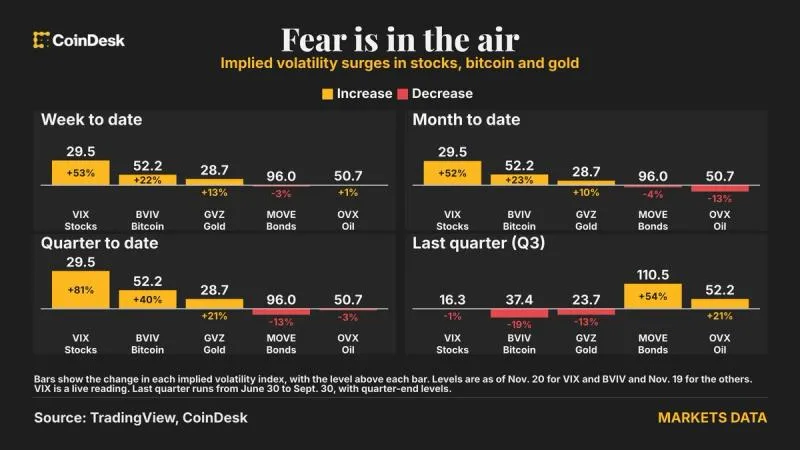
A related article, Financial Markets Volatile: Bitcoin, Stocks, Gold Waver, Volatility Soars 2026, underscores the context of global economic uncertainty that serves as the backdrop for such fiscal policies. Market volatility demands swift responses from governments to maintain national economic stability.
Germany's electricity tax policy also has the potential to affect energy market dynamics across the European Union. As the largest economy in the bloc, Germany's moves often set a precedent or at least influence the direction of regional energy policy. This is part of a broader effort to balance economic growth needs with ambitious climate targets that have been set.
Several energy experts project that the success or failure of this policy will heavily depend on its implementation and the government's ability to clearly communicate its benefits to the public and industry players. Transparency and accountability are key to building public trust.
On the other hand, the implications for Germany's climate targets are also under scrutiny. While tax cuts can reduce costs, it is crucial to ensure that this measure does not impede investment in green technologies or slow down the transition away from fossil fuels, which is a long-term commitment for Germany.
The final decision on this proposal will likely involve a series of further negotiations within the coalition, considering input from various sectors and updated public opinion survey results from institutions like Civey. The year 2027 will determine whether this policy truly brings a blessing or instead triggers a new burden for Germany.
Editorial Insight: Germany's planned electricity tax cut for 2027 is a risky yet potentially vital political and economic maneuver. It reflects the government's attempt to balance demands for energy cost relief with long-term commitments to sustainability. The real challenge lies in how Germany can achieve this balance without sacrificing progress towards green energy, while also maintaining political cohesion amidst differing party views. The success of this policy will be an important barometer for the Bundesregierung's ability to navigate global economic and climate complexities.