 Angel Doris
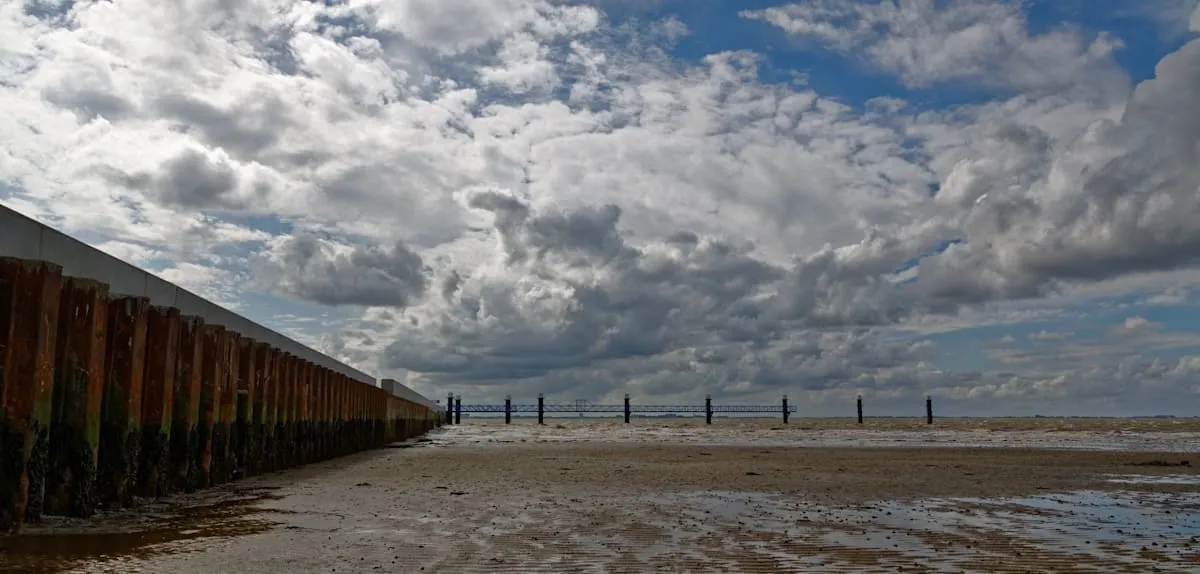
EMDEN – German Defense Minister Boris Pistorius is scheduled to formally present plans for a new naval port in Emden, on the North Sea coast, this Monday. This strategic project, valued at billions of Euros, is an integral part of Bundeswehr modernization efforts and NATO's capability enhancement, marking the second largest defense investment in Germany's coastal region after Bremerhaven.
This massive initiative underscores Germany's commitment to strengthening its military infrastructure amid global geopolitical dynamics. The new port in Emden will not only be a vital facility for the German Navy but also fortify the presence of the North Atlantic Treaty Organization (NATO) in one of Europe's most crucial maritime corridors.
The investment is designed to ensure optimal operational readiness, enabling more efficient deployment of warships and military logistics. This facility upgrade is crucial for addressing regional and global security challenges, especially with increasing maritime activity in the North European region.
This step comes as European nations, including Germany, boost their defense budgets and capacities. This situation is inseparable from the escalating tensions in Eastern Europe, as reflected in the ongoing conflict in Ukraine which remains a significant international concern. Related news such as Russian Attacks on Ukraine: Merz's Visit Met with Moscow's Warning provides further context.
For the Bundeswehr, the Emden port will serve as a significant strategic base. This modern facility will support naval operations, joint exercises with NATO allies, and rapid response capabilities for maritime crises.
NATO itself views this investment as a strengthening of its northern flank. With direct access to the North Sea and vital international shipping lanes, the base will enhance NATO's ability to maintain stability, conduct patrols, and protect the collective maritime interests of its members.
The transformation of the Emden area, from one known for its natural beaches and camping sites to a modern military hub, indicates a shift in development priorities. Nevertheless, the project is expected to bring significant economic impact through job creation and the development of supporting infrastructure in the region.
The Emden port project symbolizes Germany's broader defense modernization agenda. In addition to physical investments, the government is also working to improve military technology, personnel training, and interoperability with allied forces.
As the second investment after Bremerhaven, which also received billions in funding, Emden will complement and diversify Germany's maritime capabilities. Both locations will form a more robust coastal defense network in the North Sea.
Geopolitical observers note that such investments are a direct response to the changing security landscape in Europe. The need to strengthen maritime defense and project power at sea has become an imperative for many NATO member states.
The increase in military capabilities in Germany and across Europe has global relevance. It has the potential to influence power dynamics in the North Atlantic and Baltic Sea, demonstrating the alliance's seriousness in maintaining the sovereignty and security of its members.
Maritime security has become a primary focus, particularly given the importance of shipping lanes for trade and energy. With the new base, Germany and NATO will be better prepared to protect these vital routes from potential threats.
Editorial Insight: The construction of the new naval port in Emden reflects a significant paradigm shift in German defense, moving from a passive focus to a proactive strategy of strengthening military capabilities in an era of global uncertainty. This multi-billion Euro investment by the Bundeswehr and NATO is not merely a physical construction but an affirmation of a collective commitment to maintain stability and sovereignty in Northern Europe. It will accelerate military integration among NATO member states, enhance deterrence, and position Germany as a key player in the regional maritime security architecture. This step could also serve as a catalyst for local economic revitalization, despite carrying much broader strategic implications for the balance of power in the Atlantic.