 Dorry Archiles
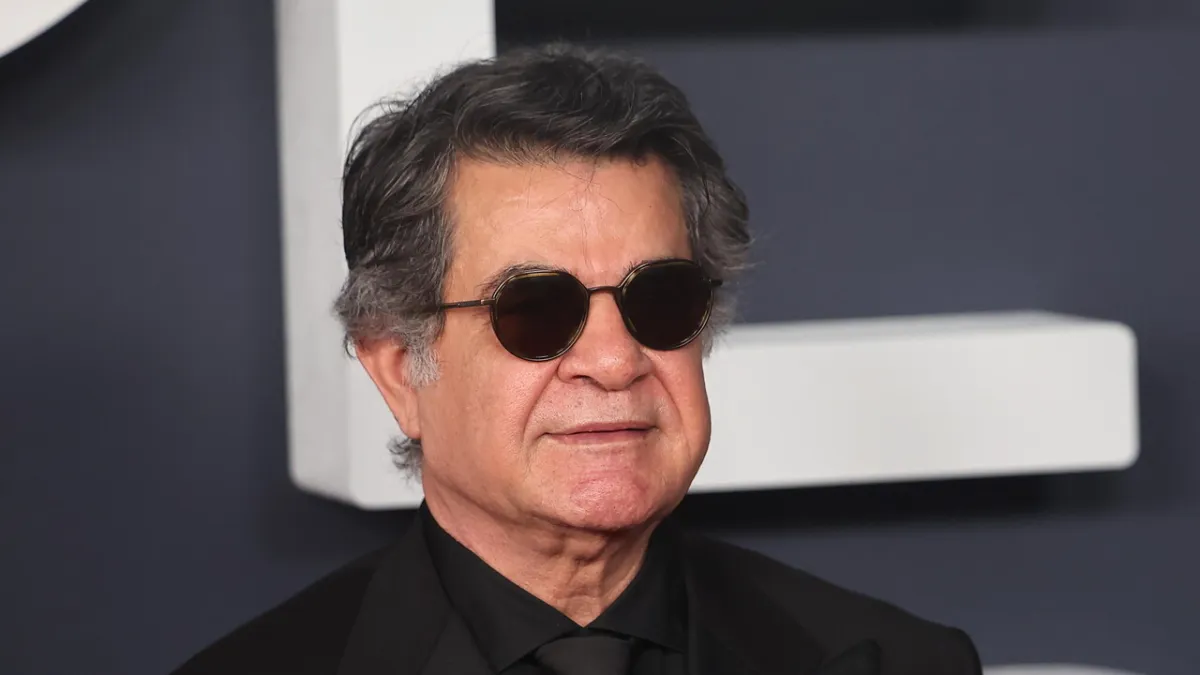
TEHRAN – A wave of global solidarity swept through the international art scene in 2026, as hundreds of prominent artists worldwide, including big names like Richard Jenkins, Mark Ruffalo, Tilda Swinton, Alex Gibney, and Juliette Binoche, launched an urgent appeal. They demanded full freedom for the award-winning Iranian filmmaker, Jafar Panahi, who is once again facing repression in his homeland. This mobilization, initiated by various art and human rights organizations, underscores the crucial importance of freedom of expression amidst global challenges.
Jafar Panahi, known for his sharp and critical cinematic works such as Taxi and Offside, has long been a symbol of resistance against censorship and artistic restrictions in Iran. He has faced various political charges leading to bans on working and traveling, as well as prison sentences. Panahis situation escalated again after his arrest mid-year, triggering serious concerns among the film community and human rights activists.
This collective appeal is not merely a statement of sympathy, but a manifesto signed by influential figures from various artistic disciplines. They believe that the detention of an artist based on their work is an attack on the essence of creativity and individual freedom. The list of signatories includes actors, directors, screenwriters, and producers from Hollywood to Europe, demonstrating the broad scope of this concern.
In a joint statement released last week, the artists emphasized the importance of Panahis work as a social mirror and a voice for the marginalized. Jafar Panahis works are not just films; they are brave testimonies to reality and human struggle, stated Mark Ruffalo, one of the vocal actors in this campaign. Imprisoning him is silencing the truth.
- Richard Jenkins: Veteran American actor, known for his diverse and profound roles.
- Mark Ruffalo: Prominent actor and environmental activist, holding significant influence in Hollywood and social media.
- Tilda Swinton: Oscar-winning British actress, renowned for her unique film choices and vocal stance on social issues.
- Alex Gibney: Oscar-winning documentary filmmaker, frequently addressing political and human rights issues.
- Juliette Binoche: Oscar-winning French actress, internationally recognized for her acting talent.
Similar actions are not unprecedented in cinematic history. In previous decades, figures like Andrei Tarkovsky or Vaclav Havel also experienced the impact of political restrictions on their artistic expression. However, the scale and speed of global support mobilization for Panahi this time indicate how digitalization has enabled the instant resonance of freedom of expression issues.
Tilda Swinton, an Oscar-winning actress who also joined in pressing the Iranian government, added that Panahis case is an important indicator of the general status of human rights. What happens to Jafar is a reflection of the universal struggle for freedom of thought and creation, she said. The world cannot remain silent when vital voices are suppressed.
The Iranian government has not yet provided an official response to this global appeal. However, Panahis situation remains under sharp scrutiny from international organizations such as Amnesty International and Human Rights Watch, which continue to document human rights violations in Iran, especially regarding freedom of opinion and assembly.
The presence of big names from Hollywood like Mark Ruffalo and Richard Jenkins lends significant weight to this campaign. Their international popularity is expected to attract global media attention and pressure Tehran to reconsider its policies towards critical artists. This mobilization also sends a strong message to repressive regimes that the global art community will not waver in defending its colleagues.
The repression of artists not only harms individuals but also impoverishes culture and reduces the space for critical dialogue essential for societal progress. Panahis case serves as a warning that artistic freedom is a barometer of the health of democracy and human rights.
Editorial Insight: The global mobilization of artists for Jafar Panahi is a manifestation of soft power and cultural diplomacy. Although an immediate response from Tehran may be slow, public pressure and international spotlight have the potential to influence long-term policies. This case is not just about a filmmaker, but about the fundamental principle of freedom of expression that forms the foundation of modern civilization. Its impact could extend, inspiring similar movements in other parts of the world facing similar restrictions.