 Dodi Irawan
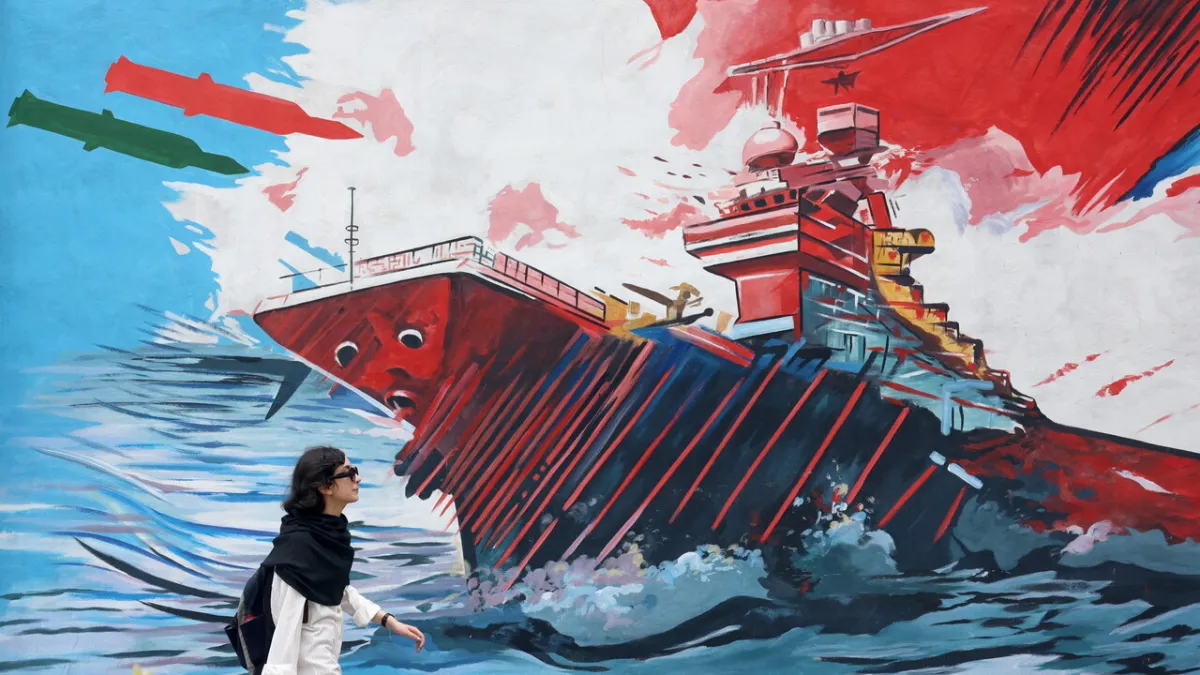
Riyadh — Tensions in the Persian Gulf region escalated sharply in early 2026 after the Houthi group officially imposed a military and economic blockade against the Saudi Arabian capital, Riyadh. This provocative move triggered global fears of a broader conflict escalation, coinciding with international mediators pushing a 10-day ceasefire proposal between the United States and Iran as a crucial effort to de-escalate the crisis.
The blockade, unilaterally announced by the Houthis, includes restrictions on navigation in the Red Sea and threats to air and land supply routes leading to Riyadh. This action is claimed as a response to Saudi Arabia's sustained intervention in the Yemen conflict, which has entered its tenth year without significant resolution. The international community, especially oil-importing nations, is monitoring the situation with concern.
Saudi Arabia's response to the Houthi action has not yet been detailed, but initial indications suggest increased military vigilance around the capital and vital infrastructure. The Yemen conflict, often termed a proxy war between Saudi Arabia and Iran, has led to severe humanitarian crises and prolonged regional instability.
This escalation in the Persian Gulf not only threatens regional security but also has the potential to shake global energy markets. Strategic shipping lanes like the Strait of Hormuz and Bab el-Mandeb are highly vulnerable to military incidents, which could result in significant oil price surges and disruptions to international supply chains.
Amidst these escalating shadows, international mediators, whose identities remain undisclosed, have been working intensively behind the scenes. They have now presented a draft ceasefire agreement that gives the United States and Iran 10 days to agree on a more comprehensive de-escalation framework. This initiative is seen as a narrow but vital window of opportunity.
For the United States, a ceasefire with Iran could be a strategic step to reduce its military involvement in the Middle East and focus resources on other global challenges. Gulf stability is key to US security and economic interests, as well as preventing further conflicts that could draw in its regional allies.
Meanwhile, Iran faces heavy economic pressure due to international sanctions and internal dynamics. A short-term ceasefire agreement could provide Iran diplomatic breathing room and reduce the risk of direct confrontation with the US or its allies, although skepticism about US motives remains high in Tehran.
The relationship between the United States and Iran has long been characterized by ups and downs, from nuclear tensions to military confrontations in Gulf waters. Previous mediation efforts have often failed due to a lack of trust and the inability of both sides to compromise substantially. This 10-day proposal will test the political will of both nations.
However, significant challenges to a permanent agreement remain. Proxy groups in the region, including the Houthis, have their own agendas and autonomy, which often complicate control from Tehran. Furthermore, fundamental differences regarding Iran's nuclear program and its regional presence continue to be major obstacles.
Other Gulf nations, such as the United Arab Emirates and Qatar, are also watching closely. They have crucial interests in regional stability and are concerned that any agreement between the US and Iran could shift the balance of power in the region, or even overlook their security concerns.
According to analyses from regional think tanks, the success of this ceasefire largely depends on Washington's and Tehran's willingness to show flexibility. “This is not just about the Houthis or Riyadh; it’s about hitting the reset button on a much larger Gulf dynamic,” said a geopolitical analyst from Dubai, who requested anonymity.
With the 10-day deadline looming, diplomatic pressure is now at its peak. Failure to reach an agreement could deepen the regional crisis, while success could at least pave the way for more substantial dialogue, offering a glimmer of hope for peace in a region long plagued by turmoil.