 Chandra Wijayanto
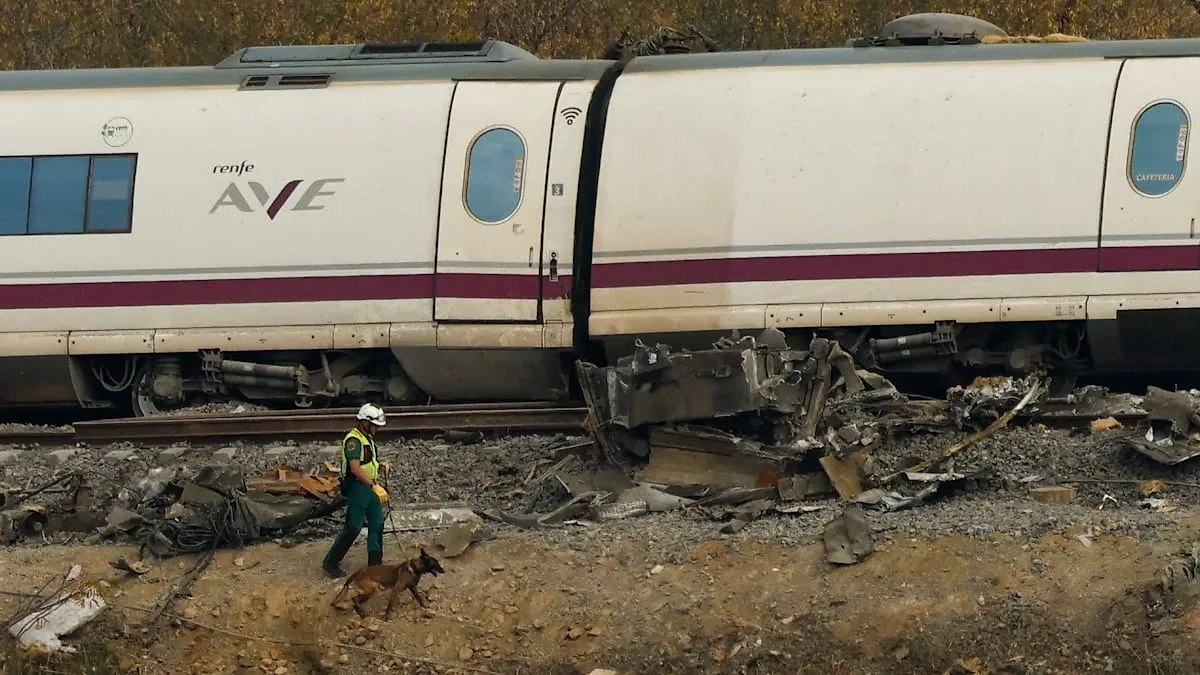
MADRID, SPAIN – A heartbreaking tragedy has engulfed Spain after two high-speed trains collided violently two days ago, causing profound grief for hundreds of families. They continue to struggle, awaiting certainty regarding the fate of their missing family members, while the burial process for the first identified victims has begun. This unfortunate event has shaken the nation and raised serious questions about transportation safety.
The atmosphere in hospitals and victim information centers across the country remains clouded with anxiety. Hundreds of individuals gather, fixated on announcement boards, hoping to find the names of their loved ones among the identified survivors or casualties. Each passing hour adds to the psychological burden for those awaiting news.
Meanwhile, the first funeral services have been solemnly conducted in several cities, marking a bitter beginning to a collective grieving phase. These simple yet deeply emotional ceremonies were attended by close relatives and government officials, signifying the start of a long journey of emotional recovery for survivors and victims' families.
The Spanish government, through its Ministry of Transport, immediately formed a special investigation team to uncover the exact cause of the incident. The primary focus of the inquiry is on signal systems, track conditions, and human factors that might have contributed to the devastating collision. We are fully committed to conducting a transparent and thorough investigation, affirmed a ministry spokesperson, emphasizing the urgency of finding the truth.
The effort to identify the deceased remains a significant challenge. Forensic teams are working tirelessly under difficult conditions, employing every available method, including DNA testing, to ensure that each body can be returned to its rightful family. This process is expected to take time, adding to the long wait for those who have lost loved ones.
Solidarity has poured in from across Spain. Humanitarian organizations and volunteers have flocked to provide aid, ranging from psychological support to essential supplies for victims' families. The community has shown strong unity in facing this ordeal, proving that the spirit of humanity remains vibrant amidst the sorrow.
This incident has sparked public concern about the safety of Spain's high-speed rail network, which has long been known as one of the most modern and efficient in Europe. Several transportation experts have called for a comprehensive audit of infrastructure and operational procedures to prevent similar tragedies from recurring in the future.
The Spanish Minister of Transport, in a press conference, extended deep condolences and assured that all resources would be mobilized to assist the victims and their families. Our top priority is to ensure that every victim receives the best treatment and families receive adequate support, he stated with concern.
The psychological impact of this event is expected to be long-lasting. Collective trauma regarding the use of public transport, particularly trains, may affect public trust for a significant period. Counseling and mental health support are crucial in this post-tragedy phase.
The national railway operator issued an official statement expressing its readiness to cooperate fully with authorities in the investigation. They also emphasized that passenger safety is a top priority and that a comprehensive internal evaluation of all existing safety protocols would be conducted.
Various neighboring countries and international organizations have also expressed their sympathy to Spain. Messages of condolences and offers of assistance have been received, demonstrating global solidarity in the face of unforeseen disaster.
Editorial Insight: This high-speed train tragedy is more than just an accident; it is a reflection of the vulnerabilities even in the most sophisticated systems. Moving forward, the government and operators must not only focus on identifying the causes but also on continuously strengthening safety protocols and providing long-term psychological support. It is crucial to ensure that this incident serves as a valuable lesson for improving global safety standards, not just in Spain, to restore public trust in this vital mode of transportation. A transparent and accountable investigation will be key to the recovery and system reform process.
Year of event: 2026