 Dorry Archiles
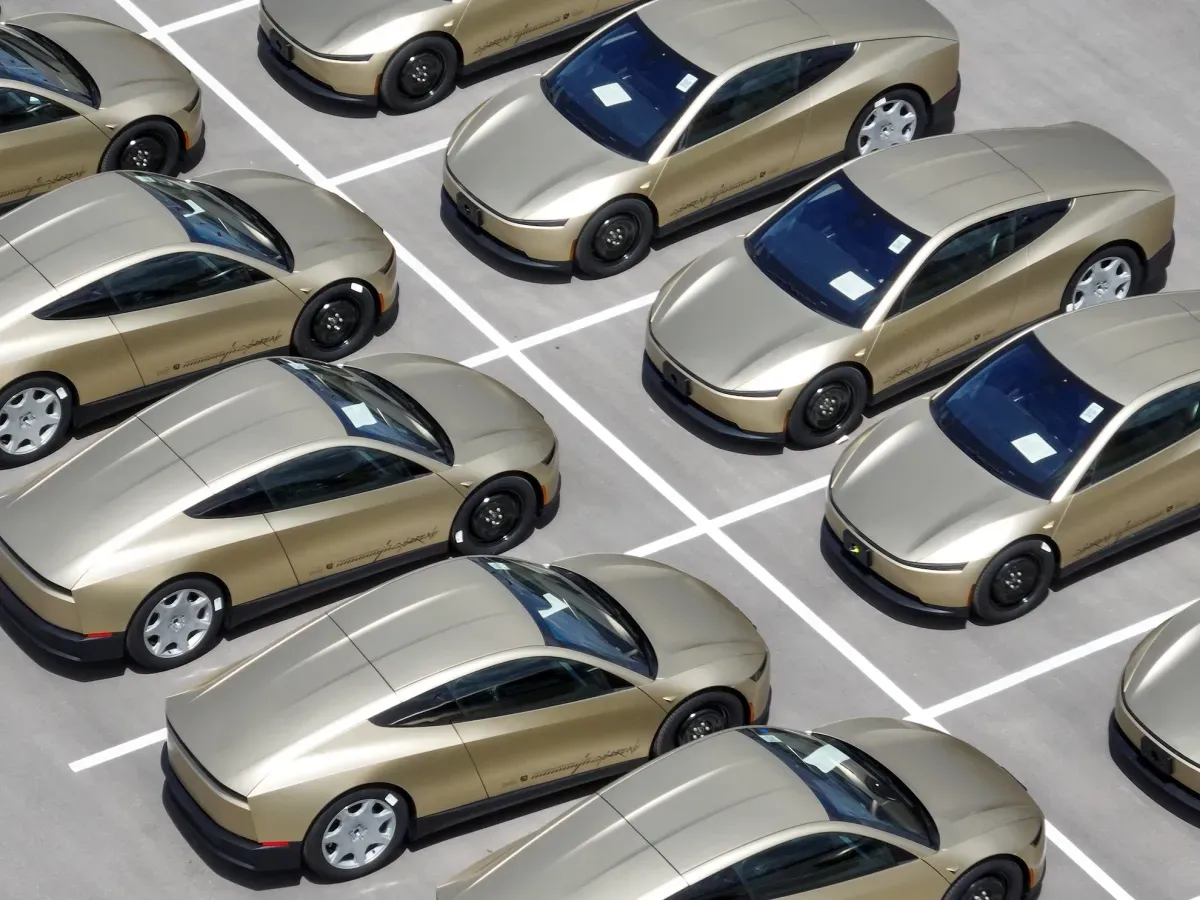
BERLIN – Electric automotive giant, Tesla, has announced a monumental investment of 3 billion euros to expand its Gigafactory facilities in Berlin, Germany. This strategic move places Europe at the forefront of the Cybercab production roadmap, the future autonomous vehicle poised to revolutionize urban transportation.
This announcement comes as Tesla commits to accelerating the adoption of self-driving technology in the global market. The expansion of the Brandenburg-based facility will significantly increase production capacity, particularly for the innovative Cybercab line.
Since its inception, the Berlin Gigafactory has been a hub of innovation and efficiency for Tesla on the European continent. With this multi-billion euro injection, the factory is projected to become the backbone of the company's efforts to realize driverless urban mobility.
The Cybercab, a long-term vision of CEO Elon Musk, is expected to offer a more efficient, affordable, and environmentally friendly transportation solution. This vehicle is designed to operate fully autonomously, reducing traffic congestion and the need for extensive parking spaces.
The 3 billion euro investment will not only be allocated for new building construction and advanced assembly lines but also for research and development. This includes enhancing the artificial intelligence (AI) systems that power Cybercab's self-driving technology.
The German government and the European Union have welcomed Tesla's initiative. This investment is expected to create thousands of new jobs, both directly and indirectly, and stimulate economic growth in the region. It also strengthens Germany's position as a global hub for automotive technology and innovation.
Industry analysts view this expansion as a bold move by Tesla amidst fierce competition in the electric and autonomous vehicle market. By focusing on the Cybercab, Tesla is not only competing in the private vehicle segment but also challenging conventional taxi business models and ride-hailing services.
Some transportation experts highlight the potential impact of Cybercab on urban infrastructure and planning. In contrast to the challenges faced by public transportation development in several major cities, as seen in Bengaluru's Stalled Public Transport Expansion, the mass deployment of Cybercab fleets will require regulatory adjustments, as well as the development of adequate charging infrastructure and maintenance centers.
The development of autonomous technology is not without its challenges. Cybersecurity issues, AI ethics, and public acceptance remain key concerns that must be addressed. Tesla consistently reiterates its commitment to developing safe and responsible technology.
This expansion of the Berlin Gigafactory also sends a strong signal to global investors that Europe remains a crucial market for high-tech innovation. This step is predicted to attract similar investments from other technology companies looking to leverage the infrastructure and talent on the blue continent.
While the primary focus of the investment is the Cybercab, this development also has the potential to increase the production capacity of other Tesla models in the future. This solidifies Berlin's strategic position as one of the company's global manufacturing pillars.
The presence of Cybercabs on European roads will mark a new era of transportation, changing how people move and interact with their cities. With the right infrastructure support and progressive regulations, Cybercab could become an integral part of urban mobility solutions in the years to come.
Editorial Insight: Tesla's massive investment in Berlin signifies a strategic shift from merely an electric vehicle manufacturer to a provider of large-scale autonomous mobility solutions. This is not just about building a factory, but establishing the foundation for an ambitious Cybercab ecosystem in the heart of Europe. Its long-term impacts will be felt across the labor market, urban infrastructure, and even the ethical debate surrounding artificial intelligence in transportation. Europe is now a crucial testing ground for Tesla's vision.