 Dodi Irawan
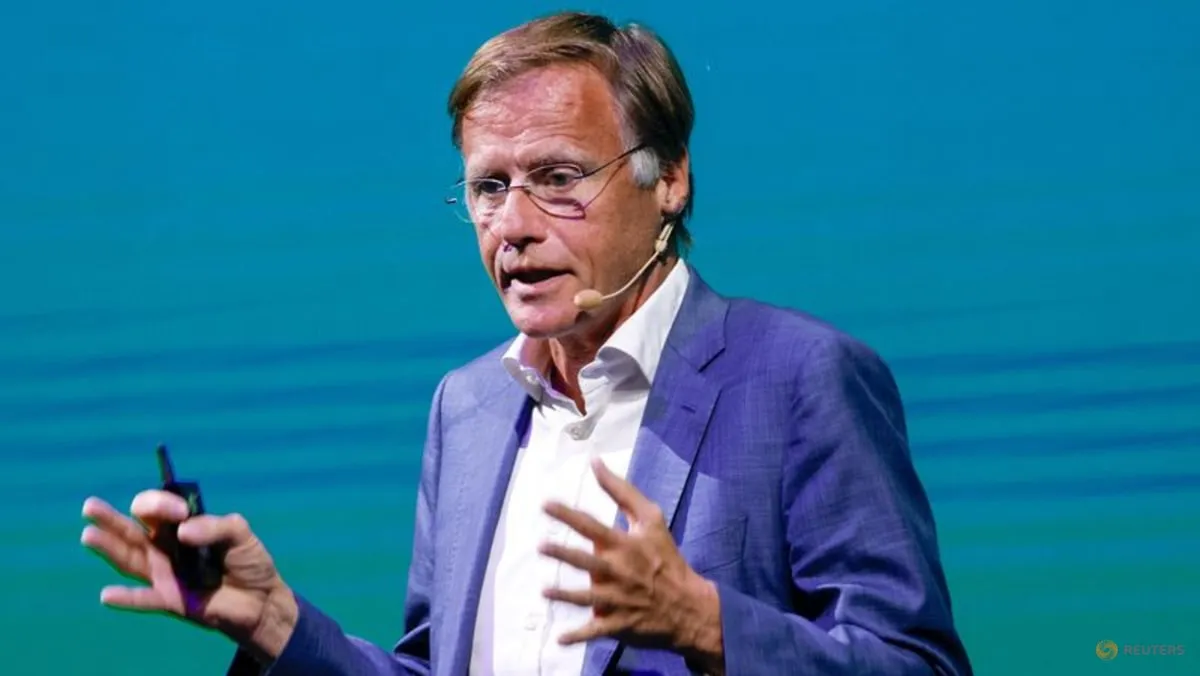
MUNICH – Reinhard Ploss, CEO of Infineon Technologies, emphatically stated that the global semiconductor giant cannot bear the burden of crucial chip production capacity expansion alone. This declaration emerges amidst the accelerated growth of the global semiconductor industry in 2026, where chip demand continues to surge while supply constraints loom large. Ploss underscored the vital importance of massive cross-sector collaboration and government support as key to overcoming the capacity deficit.
The chip supply crisis that crippled various industries several years ago has now evolved into a structural challenge demanding long-term solutions. The automotive industry, for instance, remains heavily reliant on a stable chip supply. Without colossal investments and robust coordination, Ploss warned, efforts to meet global chip needs would be hampered.
Semiconductor capacity cannot be expanded by a single player alone, Ploss remarked at a prominent industry forum. He added, This is a collective endeavor involving manufacturers, raw material suppliers, equipment providers, and, of course, policy support from governments worldwide.
The investments required to build new chip manufacturing facilities or expand existing ones are substantial. A state-of-the-art semiconductor factory can cost tens of billions of dollars and take years to become fully operational. This scale of investment surpasses the financial capabilities of any single company, even one as large as Infineon.
Governments in various parts of the world, including the United States and the European Union, have begun to recognize this urgency. They have launched initiatives and billions of dollars in subsidies to encourage the development of chip production facilities in their respective regions, as part of a technological sovereignty strategy. However, Ploss highlighted that these initiatives must be balanced with a coordinated global strategy.
The high demand for chips is not solely driven by traditional sectors but also by the rapid advancement of new technologies such as artificial intelligence (AI) and autonomous vehicles. The surge in AI exports, as seen in China's economy reaching trillions of dollars, demonstrates how crucial chips are as the backbone of innovation.
This challenge also encompasses the complex supply chain. Chip production involves dozens of stages and hundreds of chemicals and components sourced from various countries. Geopolitics and trade issues can easily disrupt supply flows, exacerbating capacity problems.
Furthermore, a shortage of skilled labor in semiconductor engineering and manufacturing poses a significant obstacle. Universities and training institutions need to collaborate with the industry to produce more professionals ready to tackle the complexities of modern chip production.
Infineon itself has striven to increase capacity through strategic investments and partnerships, yet these measures are deemed insufficient to address the continuously widening demand gap in 2026. We need to build a more resilient and sustainable ecosystem, Ploss further stated.
Similar calls for global collaboration have also been voiced in the context of cybersecurity and AI, as highlighted by Japan's urging of global collaboration to address AI security threats. This indicates that advanced technological issues cannot be resolved by a single nation or company.
The future of the semiconductor industry will heavily depend on how quickly stakeholders can respond to this call for collaboration. Failure to expand capacity would potentially trigger a broader economic crisis, hinder innovation, and delay the transition to a fully integrated digital era.
Editorial Insight: Infineon CEO's statement serves as a stark warning to the entire global technology ecosystem. The world's reliance on semiconductor chips demands a coordinated response and sustained strategic investment. Without cross-border collaboration and strong policy support, the risks of fragmentation and supply instability will continue to loom, threatening progress in various key sectors from automotive to artificial intelligence. Governments and corporations must synergize to build a more robust semiconductor industry foundation for the future.