 Robert Andrison
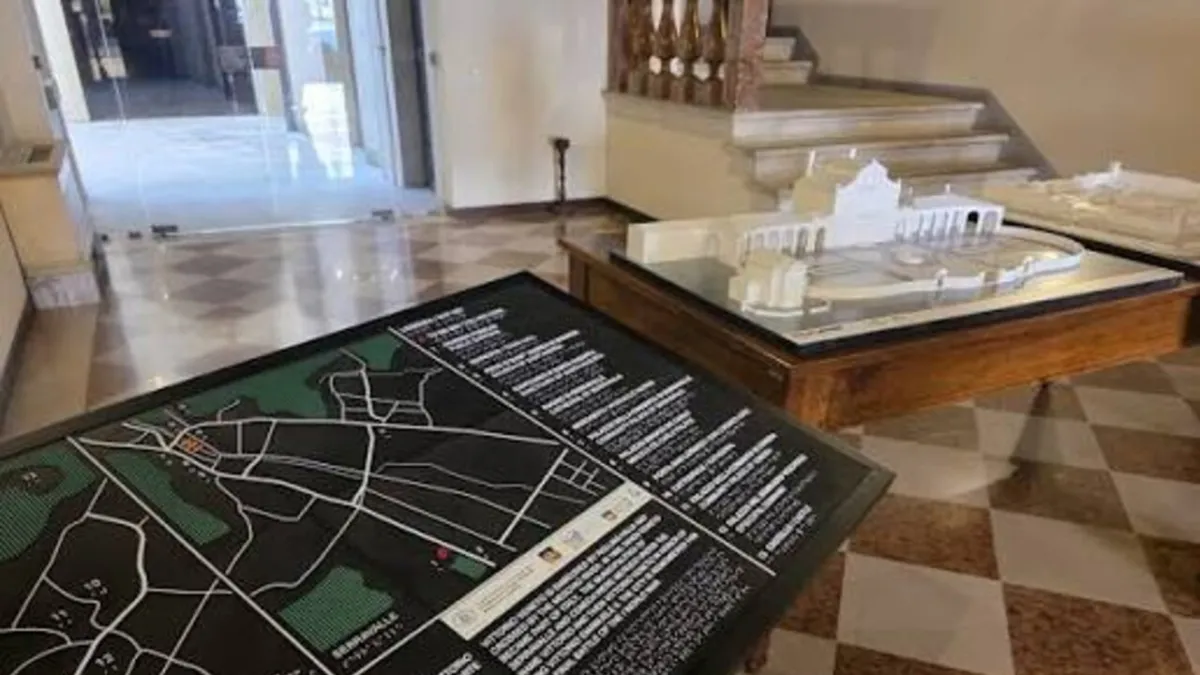
ROME – Innovative inclusive initiatives are underway in the Veneto region, Italy, enabling visually impaired individuals to experience and explore historical sites through the use of tactile maps and 3D models. This progressive project reaffirms Italian society's deepening commitment to social inclusion values, offering a cultural experience previously limited for some citizens.
This pioneering project does not merely provide physical access; it also designs a rich multisensory experience. Visually impaired visitors can now touch replicas of ancient architecture and understand the complex layouts of monumental sites scattered throughout Veneto, from Roman ruins to Renaissance palaces.
The specially designed tactile maps are at the core of this program. Each map features different textures representing architectural elements, landscapes, or even artistic details. Thus, visitors' fingers can trace the contours of buildings, locate rivers or roads, and literally feel history.
In addition to tactile maps, 3D models are also a crucial component. These miniature replicas of historical sites allow visually impaired individuals to perceive the actual scale and proportions of buildings. This provides a comprehensive spatial understanding, going beyond verbal descriptions that might lack context.
The narrative accompanying this project highlights that initiatives like this demonstrate the extraordinary social value of inclusion. The opportunity to experience cultural heritage directly, without barriers, is a fundamental right now brilliantly accommodated, reflecting a deep understanding of equality.
The success in Veneto has the potential to become a blueprint for other regions in Italy, and even across the globe. Many countries possess rich historical sites that are not yet fully disability-friendly, and this innovative approach offers concrete solutions. Further development is expected to include integrated audio-description technology to enrich the experience.
The regional government of Veneto, in collaboration with cultural institutions and disability organizations, leads this project as part of a broader agenda to enhance the quality of life for all citizens. This is not just about accessibility, but also about recognizing dignity and full participation in community life.
Education and public awareness are also central. Through this initiative, the wider community is encouraged to reconsider the definition of accessibility and realize the importance of an inclusive environment for every individual. This builds a bridge between a rich past and a more equitable future.
This step by Italy, particularly in Veneto, marks a paradigm shift in cultural heritage conservation, moving from mere physical preservation to preservation that also includes universal access. Thus, history is not only seen but also felt and experienced by all.
Editorial Insight:
This initiative in Veneto is a tangible demonstration of how technology can be a catalyst for social inclusion. Going beyond mere regulatory compliance, the project showcases an ethical commitment to equal access to cultural heritage. Its impact is not limited to the visually impaired community but also raises standards for the entire global tourism and cultural sector in 2026, prompting reflection on the importance of universal design in every aspect of public life.