 Dorry Archiles
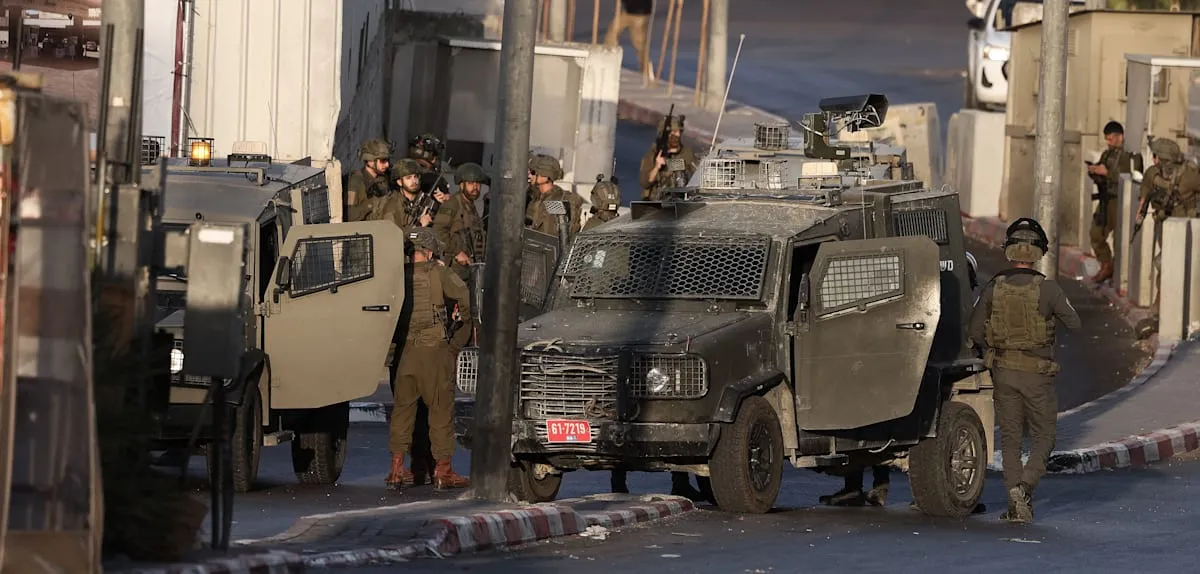
HEBRON – Five Israelis were injured, some critically, following an armed attack near the city of Hebron in the West Bank. This brutal incident immediately triggered a strong response from the Israeli government, which promptly announced preparations for a 'complete blockade' (vollstandige Abriegelung) across the entire West Bank as a security measure.
The unfortunate event occurred on an unspecified recent date. The victims were reportedly attacked while on a highway connecting Israeli settlements with Palestinian areas, a region that frequently serves as a flashpoint for tensions.
Israeli Prime Minister Benjamin Netanyahu responded firmly to the incident. He accused the Hamas terrorist group of being behind the attack and vowed an intensive pursuit of the perpetrators.
In his official statement, Netanyahu asserted, We will pursue Hamas terrorists and their masterminds. Anyone who tries to harm Israeli citizens will bear the consequences. This statement underscores the Israeli government's commitment to retaliate against any aggression targeting its citizens.
The decision to implement a complete closure of the West Bank is not a minor matter. This action will fundamentally restrict the movement of millions of Palestinians, both for inter-city travel and access to Israel for work or medical treatment.
Such a blockade could worsen the humanitarian and economic conditions in the West Bank, which has long faced various challenges due to occupation and existing restrictions. Critics often point to the collective impact of Israel's security policies on the civilian population.
Hebron's history itself is rich with conflict and upheaval. It is one of the largest cities in the West Bank and home to both Jewish and Palestinian communities living in close proximity, often leading to similar incidents in the past.
This latest incident has the potential to spark a new cycle of violence in the region. Palestinian militant groups may respond to the blockade with retaliatory actions, while Israeli security forces will intensify their operations to prevent further attacks.
This situation is drawing the attention of the international community, which fears escalation. Various human rights organizations are likely to call for Israel to exercise restraint and ensure that the basic rights of Palestinian civilians are not violated during the implementation of the blockade.
The situation in the West Bank and the relationship between Israel and Palestine remain complex global issues. Such events often draw condemnation from various countries, as was the case with the detention of Italian activists in Israel, which prompted demands for an explanation from Rome.
Conversely, the Palestinian Authority is highly likely to strongly condemn this Israeli action, calling it collective punishment against the entire population of the West Bank. Calls for international intervention to compel Israel to lift the blockade are anticipated.
The escalating tensions in Hebron and Israel's response once again highlight the fragility of regional stability. Every action from either side has the potential to trigger a larger chain reaction, threatening prospects for peace in the future.
Editorial Insight: The Hebron incident demonstrates that despite changing global political dynamics, the Israeli-Palestinian conflict remains an open wound easily inflamed. The response of a complete blockade, though claimed as a security measure, risks creating a new cycle of violence and deepening the humanitarian crisis. Strong diplomacy and international oversight are absolutely essential to prevent a more severe escalation.