 Angel Doris
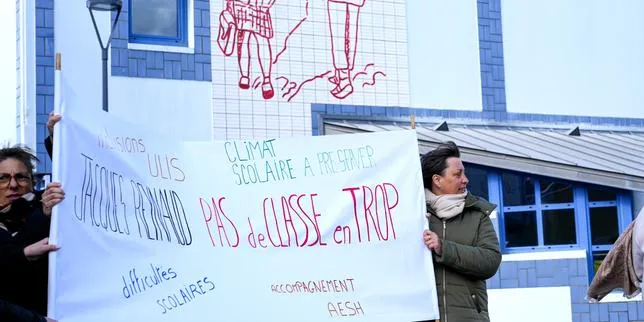
PARIS – Nearly 40,000 disabled children in France are at risk of starting the 2026 academic year without the vital support of educational assistants (AESH). This critical situation has prompted the association 'Une ecole inclusive pour tous' to launch a class action lawsuit against the French government, demanding accountability for its failure to uphold inclusive education obligations.
The lawsuit, initiated in December 2025, specifically highlights the state's non-compliance in guaranteeing educational rights across ten different departments. Plaintiffs hope this legal action will 'open a breach' and compel the government to urgently address the deficit of support staff for special needs students.
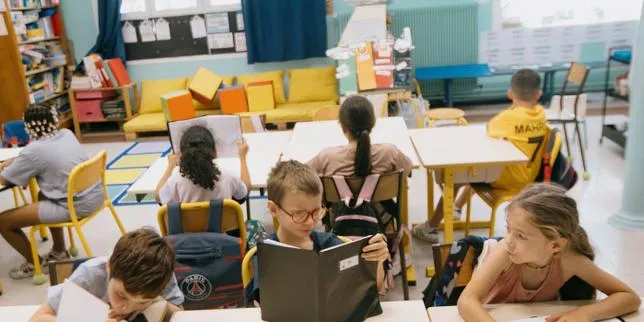
Educational Assistants for Students with Disabilities (AESH) are a fundamental pillar of France's inclusive education system. Their role involves accompanying students with special needs, assisting with curriculum adaptation, and ensuring active participation in the school environment. Without AESH, thousands of students will face significant challenges in accessing proper education.
The impact of the AESH shortage extends beyond students to families and teaching staff. Parents are forced to take leave or quit their jobs to support their children, while teachers struggle to provide extra attention amid limited resources, often affecting the quality of learning for the entire class.
According to recent data from the French Ministry of Education, the most critical conditions are identified in several regions. Departments such as Val-de-Marne, Savoie, and Bas-Rhin show alarmingly high AESH shortages, indicating deep-seated and prolonged structural problems.
This neglect raises serious questions about the French government's commitment to the rights of disabled children, as mandated by international conventions and national laws. The lawsuit is not just about the number of assistants, but about the principle of equality and accessibility in education for all citizens.
The 'Une ecole inclusive pour tous' association asserts that every child has a right to equal education, regardless of their physical condition. They demand concrete and sustainable solutions, not merely unfulfilled political promises. This situation reflects a systemic failure that requires immediate and comprehensive intervention.
This crisis also stands in stark contrast to previous efforts in building a fairer education system in France. The spirit of Alain Bourgarel, architect of priority education, who fought against inequality, seems to be tested amidst this bitter reality. Inclusive education policies should be a legacy to be continuously strengthened, not weakened.
If the government fails to act promptly, tens of thousands of children risk losing crucial opportunities for development and full integration into society. This represents a loss not only for individuals but also for France's future as a nation committed to the values of inclusivity and equality.
The French government now faces immense public and legal pressure. The forthcoming court decision will significantly shape the direction of inclusive education policies in the country and set an important precedent for the rights of people with disabilities across Europe.
Editorial Insight:
The crisis surrounding support for disabled children in France reflects a larger systemic failure in resource management and educational priorities. The French government must urgently develop a concrete and transparent action plan, not only to meet legal demands but to secure the future of its most vulnerable young generation. This situation underscores the urgency of a thorough reform within the education bureaucracy, ensuring that every child's fundamental right to adequate education is truly met without exception.