 Robert Andrison
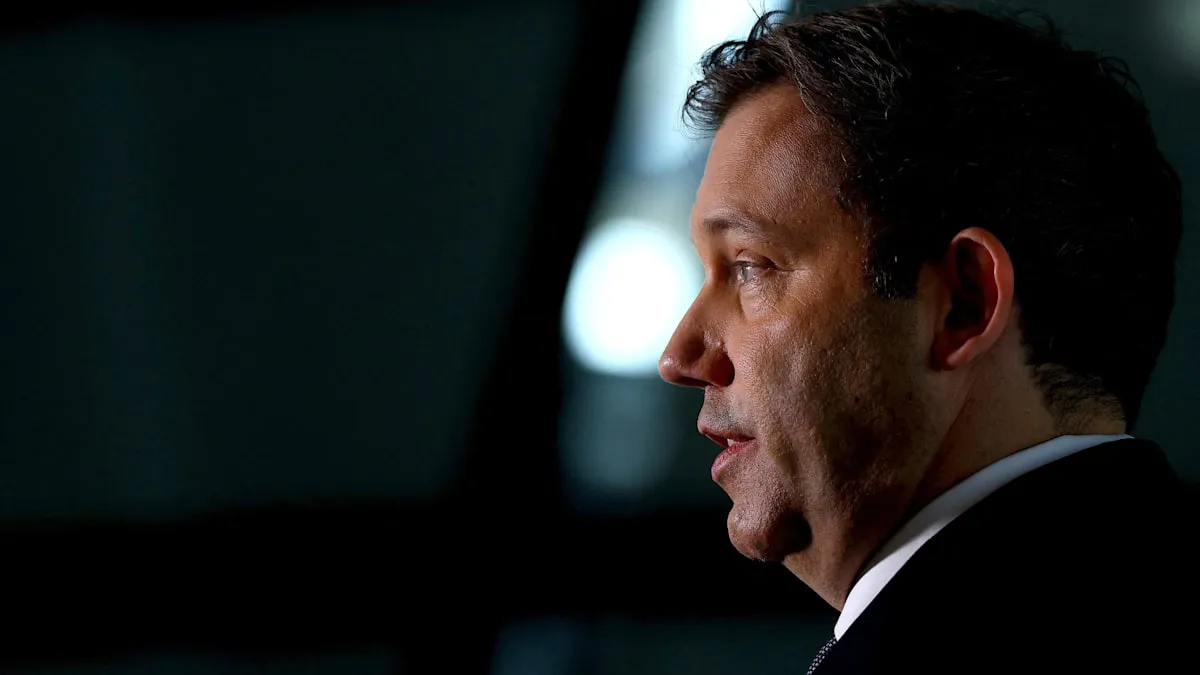
BERLIN – The German Social Democratic Party (SPD) is grappling with significant internal unrest as its January party congress approaches. Several SPD working groups and the youth organization, Jusos, are actively attempting to block Lars Klingbeil's re-candidacy as co-leader of the party. This political maneuver, revealed through two congress proposals, indicates a substantial division within the ruling party.
According to local media reports, motions submitted by several SPD working groups explicitly aim to prevent Klingbeil from reclaiming the party leadership. This action creates a narrative of deep dissatisfaction among party members regarding the current direction and leadership. Klingbeil, who holds a key position within the SPD hierarchy, now faces a serious challenge from internal factions demanding change.
The motivations behind this thwarting effort have not been explicitly detailed, but political observers suspect it relates to the party's future strategy and the SPD's position within the current governing coalition. Issues such as economic policy, social reforms, or even Germany's role in global geopolitical dynamics, including the intense debate on defense budgets, may be fueling these tensions. (Germany Rises to Strengthen Military: Defense Budget at Risk of Waste?)
The two aforementioned motions are at the core of the internal opposition's strategy. While the full details of these motions have not yet been published, it is known that both directly target Klingbeil's potential re-candidacy. This is not merely sporadic criticism but an organized effort demonstrating the strength of opposing factions within the party structure.
Lars Klingbeil, known as one of the central figures in the SPD leadership, has played a crucial role in stabilizing the party and guiding coalition policies. However, his position is now threatened by volatile internal dynamics, testing the party's solidity and unity in Germany's increasingly complex political arena.
These motions will be tabled for discussion and voted upon at the party congress scheduled for January 2027. The congress will be the stage for a fierce political battle that could potentially alter the face of SPD leadership. The outcome of this vote will not only determine Klingbeil's future but also the party's policy direction and image for the coming period.
Jusos, the SPD's youth wing, often a driver of progressive change within the party, is involved in this effort. Their involvement adds weight to the anti-Klingbeil movement, indicating that opposition comes not only from senior ranks but also from younger generations hungry for different representation and vision.
The history of the SPD is replete with episodes of internal power struggles and ideological shifts. This case reflects a continuous political cycle where every leader must constantly consolidate their support base to maintain their position. This challenge to Klingbeil is a reminder that no leadership seat is entirely secure in the political arena.
The internal tensions within the SPD could have broad implications for the current 'traffic light' governing coalition, comprising the SPD, the Green Party, and the FDP. Instability in one of the coalition's pillars could weaken the government's effectiveness and trigger greater political uncertainty in Germany.
Political observers are eagerly awaiting how Klingbeil and his camp will respond to this internal opposition movement. Effective communication and lobbying strategies will be crucial in the coming weeks to secure the necessary support ahead of the important congress.
Editorial Insight:
The attempts to unseat Lars Klingbeil from the SPD's co-leadership underscore the profound challenges faced by established parties across Europe in navigating evolving voter expectations. Internal conflicts of this nature, if not managed wisely, have the potential to undermine the party's credibility and even the stability of the governing coalition in Germany. This is not merely an individual power struggle but a reflection of broader ideological and strategic upheavals within the SPD, which will shape Germany's political landscape post-January congress.