 Angel Doris
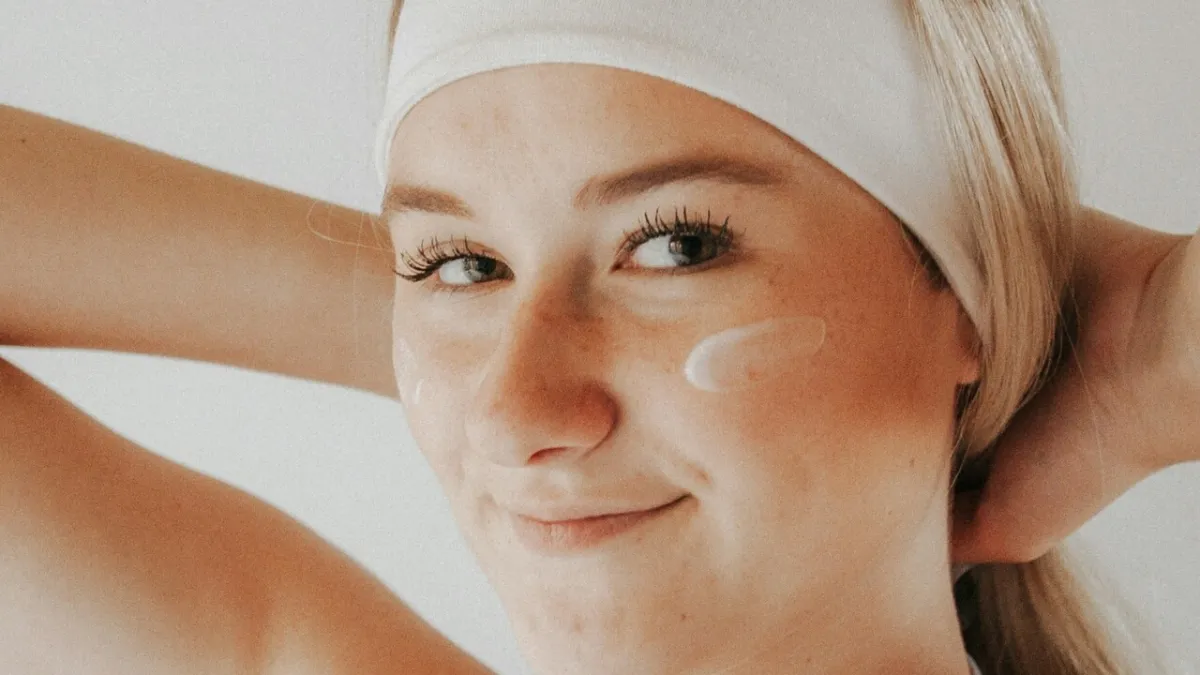
ROME – A comprehensive investigation in 2026 has shaken the global cosmetics industry, revealing that quality assurances for beauty products in the United States and Europe are often merely ceremonial. An in-depth study of 18 renowned certification programs from various entities across both continents indicated a lack of substantive product verification testing, raising serious concerns about consumer protection.
The recently published report highlights a significant gap between the standards promised by certificates and actual quality control practices. Many 'bollini' or warranty seals, claimed to guarantee product safety and quality, were found to be based solely on documentation audits, rather than independent and recurring physical or laboratory testing.
Researchers discovered that among dozens of certification programs analyzed, only a handful routinely conducted product verification tests. The majority of certification programs relied on information provided by manufacturers or paper-based audits, without strict field inspections or random product trials.
This phenomenon raises major questions about the integrity of the beauty product market. Consumers who rely on certification labels to make safe purchasing decisions could potentially be exposed to products that do not meet quality standards or are even harmful to health.
An independent cosmetic chemist, Dr. Anya Sharma, stated, Certification should be the last bastion of consumer protection. If the verification process is weak, then we are creating an illusion of safety that harms the public. Dr. Sharma urged a comprehensive reform of the industry oversight system.
Furthermore, the investigation noted that transparency in the certification process is often lacking. Clear criteria for verification tests are rarely disclosed to the public, making it difficult for third parties to evaluate the reliability of these warranty seals.
In terms of regulation, both the United States and the European Union have robust frameworks for product safety. However, implementation at the level of private certification bodies, which often determine 'trust,' appears to be suboptimal.
These findings have prompted calls from various consumer organizations for authorities in the US and Europe to take immediate action. They demand external audits of certification bodies and the establishment of mandatory minimum standards for physical verification testing of beauty products.
The cosmetics industry itself is expected to respond seriously to these findings. Reputation and consumer trust are invaluable assets, and a failure to address this issue could lead to a broader crisis of confidence in the market.
If substantial improvements are not made, it is not inconceivable that beauty product scandals similar to those seen in the food or pharmaceutical sectors could erupt, causing significant losses for both consumers and compliant manufacturers.
Editorial Insight: This report is a loud alarm for the global beauty industry and its regulators. Consumers are entitled to credible assurances of safety and quality, not mere symbols without substance. Urgent reforms in verification methods and increased transparency are key to restoring public trust and maintaining the integrity of a multi-trillion-dollar market. Failure to act will trigger an erosion of trust that will be difficult to rebuild and potentially invite stricter government regulation, which could ultimately burden innovation.