 Dodi Irawan
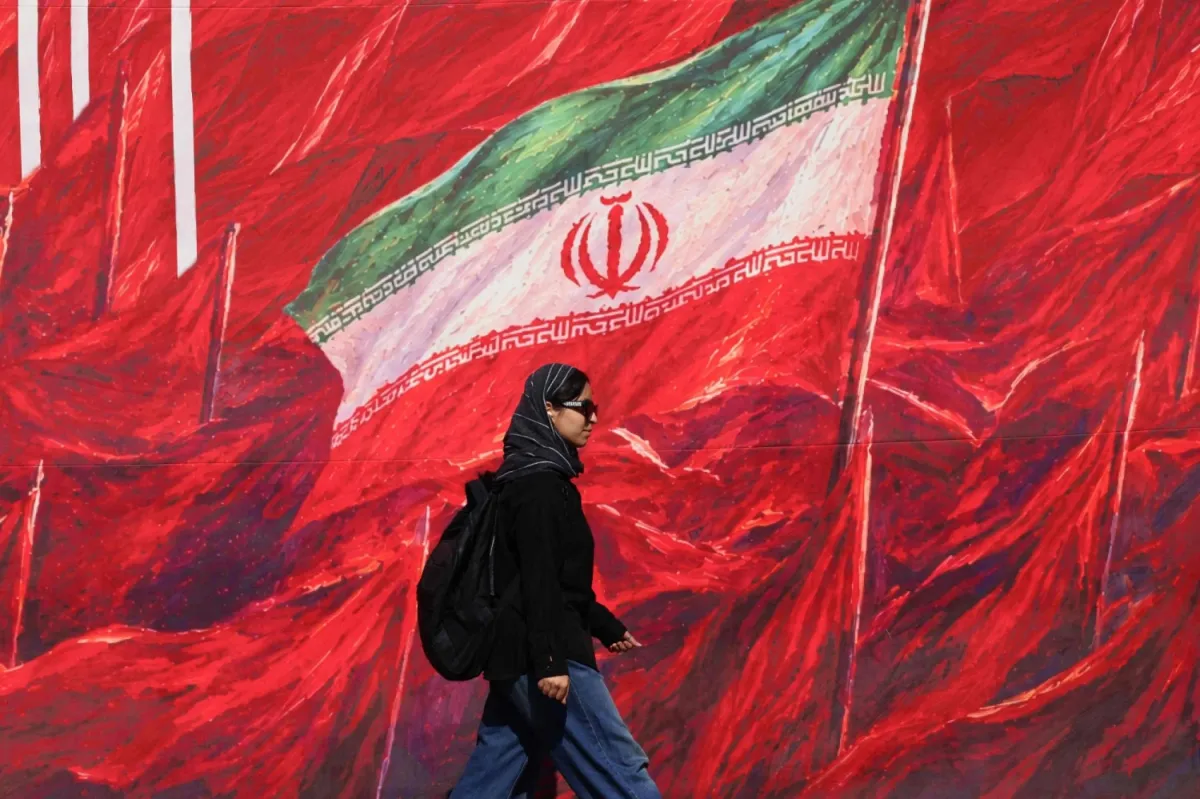
TEHRAN – The Islamic Republic of Iran on Monday (January 20) issued a strong warning to the United States and Israel. This admonition follows statements by US President Donald Trump, who hinted at potential new military action after the recently concluded midterm elections in the United States. Regional tensions in the Middle East have reignited, threatening a broader escalation of conflict.
Iran's Foreign Ministry, through its spokesperson, asserted that Tehran would not remain silent against any aggression or provocation. Any military move by the United States regime or the Zionist entity post their midterm elections will be met with a proportionate and devastating response, read the official statement.
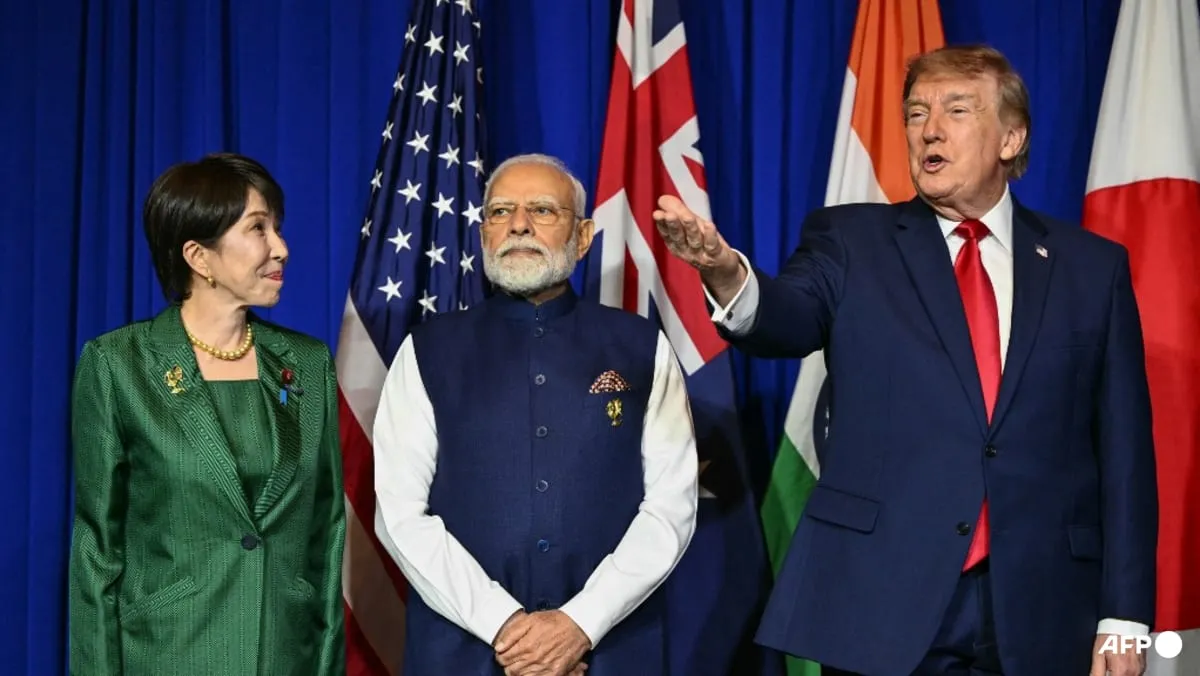
President Trump, during several campaign appearances preceding the midterm elections, frequently alluded to possible decisive measures on the international stage. These statements specifically targeted geopolitical rivals of the US, including Iran. Although the nature of these actions remained unspecified, Trump's rhetoric has sparked serious concerns in Tehran.
This threat is not the first from Washington. Since the beginning of Trump's leadership, US-Iran relations have sharply deteriorated, particularly after the US unilaterally withdrew from the Joint Comprehensive Plan of Action (JCPOA) nuclear deal in 2018. Washington subsequently imposed crippling economic sanctions on Tehran.
Meanwhile, Israel has consistently voiced its concerns about Iran's nuclear program and regional influence. Prime Minister Benjamin Netanyahu has repeatedly stated that Israel would take defensive actions if its national security felt threatened. This adds a layer of complexity to the already volatile conflict dynamic.
Trump's latest threats coincide with a significant political moment in the US: the midterm elections. Political analysts suggest that such rhetoric is often used to rally domestic support and demonstrate resolve to voters. Further information on the issues shaking the US midterm elections can be found in the article US Electricity Rates and Data Centers: Key Issues Shaking the Midterm Elections.
The Iranian government, on the other hand, interprets these threats as an attempt to divert attention from US internal issues or as part of a maximum pressure strategy. Tehran urges the international community to condemn aggressive rhetoric that could jeopardize global peace and stability.
The Middle East region, already plagued by various proxy conflicts, is expected to become even more tumultuous if these tensions do not subside. Iran's warning reflects the seriousness of the situation and the nation's determination to defend its sovereignty from foreign interference.
History records several incidents where tensions between the US and Iran nearly sparked direct military confrontation. During Trump's first term, a series of attacks and incidents in the Persian Gulf tested the limits of both sides' patience. These experiences shape Iran's perception of the current threat.
Diplomats at the UN and European countries are calling for dialogue and de-escalation. They fear that a small miscalculation could trigger a larger conflict, with dire humanitarian and economic consequences for the entire region.
Iran reiterates its position that its nuclear program is peaceful and not aimed at developing nuclear weapons. However, the US and Israel remain skeptical, demanding stricter oversight and further restrictions.
These threats also have the potential to impact global oil prices and financial markets, given the Middle East's vital role as an energy supplier. Geopolitical uncertainty is always a driving factor in market volatility.
In response, Iran's Revolutionary Guard has reportedly increased vigilance across all its military units. Intensive air defense and maritime exercises are being conducted in the Persian Gulf, sending a clear message about Tehran's combat readiness.
Editorial Insight:
The harsh rhetoric from President Donald Trump and the firm response from Iran signal a dangerous new chapter of tension. The potential for military action post-midterm elections, though unconfirmed, creates a climate of high uncertainty. The credibility of these threats will be tested by Tehran's reaction and the international community. It is crucial for all parties to exercise restraint to avoid a regional conflict that could draw in global powers and have untold impacts. This escalation could also be a domestic political maneuver by Trump, but the risks are too great to ignore.