 Angel Doris
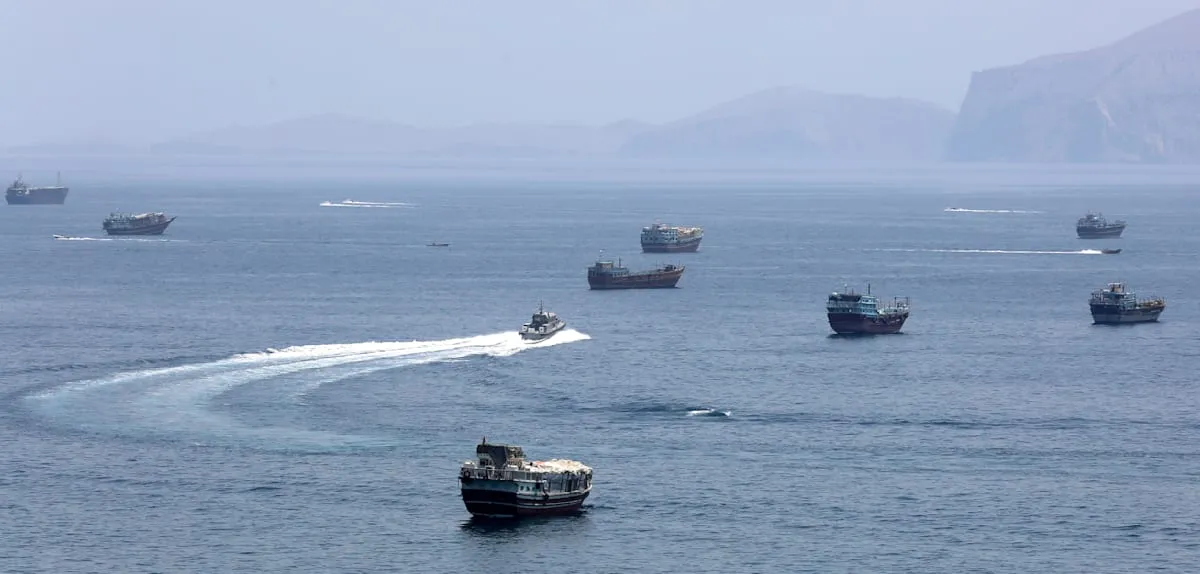
TEHRAN — Iran's Revolutionary Guard Corps has announced the closure of the Strait of Hormuz, a globally vital shipping lane, until US intervention in the region ends. This shocking announcement follows a dramatic incident where a merchant ship was targeted with warning shots and forced to stop, triggering a significant escalation of tensions in the Middle East in early 2026.
The shooting and halting of the vessel occurred in the strategic waters connecting the Persian Gulf to the Arabian Sea, a crucial maritime corridor for global oil traffic. Specific details regarding the ship's identity and flag remain unreleased, but the impact was immediately felt in international energy markets.
The Strait of Hormuz is the most important choke point in the world, with approximately one-third of all global seaborne oil passing through it daily. A closure or serious disruption to this route could trigger a global energy crisis, shaking the stability of a world economy that is just recovering.
The Revolutionary Guard's statement explicitly linked this action to the presence and activities of the United States in the region. They demand an end to Washington's interference, which they view as threatening regional sovereignty and security, as a primary prerequisite for reopening the strait.
Responding to the situation, the United Nations Secretary-General called for maximum restraint and constructive dialogue from all parties. The UN emphasized the importance of maintaining freedom of international navigation and avoiding actions that could worsen instability in one of the world's most volatile regions.
The United States Department of State immediately issued a strong condemnation of Iran's actions, calling it a serious violation of international maritime law. Washington reaffirmed its commitment to ensuring freedom of navigation in international waters and pledged to respond proportionately to protect allied interests and vital trade routes.
Geopolitical analysts from various international research institutions highlight that this incident is a manifestation of increasing regional polarization. Tensions between Iran and the United States have long overshadowed the region, with the Strait of Hormuz often serving as an arena for power displays.
Concerns about immediate economic impact are a major focus. Global crude oil prices surged sharply after news of the strait's closure broke, triggering global market fears of potential supply shortages and widespread energy cost increases.
Gulf countries, particularly those heavily reliant on the Strait of Hormuz for their oil exports, also expressed deep concern. They urged immediate diplomatic solutions to avoid military escalation that could damage vital infrastructure and the fragile regional stability.
Several European diplomats are reportedly pursuing discreet communication channels with Tehran and Washington, hoping to mediate in this crisis. The European Union consistently advocates for diplomacy as the only way out of a potentially disastrous deadlock. Europe also has a history of assertiveness in geopolitical issues.
This situation in the Strait of Hormuz underscores the urgency of resolving geopolitical conflicts in the Middle East through negotiation. Threats to maritime security in vital waters like this not only have regional implications but also threaten the global economy and peace as a whole.
Approaching mid-2026, the international community awaits the next steps from key actors. Decisions made in the coming days will determine whether this crisis can be de-escalated or will open a new, broader, and unpredictable chapter of conflict on the global stage.
President Joe Biden's administration in the US faces a strategic dilemma. On one hand, there is pressure to maintain freedom of navigation; on the other hand, there is caution to avoid direct armed conflict that could trigger massive instability. Meanwhile, Iran demonstrates its determination to challenge American dominance in the Gulf.
In recent years, incidents in Gulf waters have repeatedly sparked concerns. From tanker seizures to attacks on oil infrastructure, the Strait of Hormuz has been a barometer for geopolitical tensions. This latest event is merely the tip of the iceberg of worsening tensions.
The security of international shipping lanes is the foundation of global trade. Disruptions to the Strait of Hormuz not only affect energy supplies but also slow down the movement of goods and fuel inflation worldwide. Therefore, resolving this crisis is a top priority for many nations.
World leaders are expected to unite in diplomatic efforts. Although opposing positions appear rigid, history shows that persistent communication and negotiation can prevent escalation into open conflict. The current challenge is to find common ground acceptable to all parties.
This Strait of Hormuz crisis also highlights the role of regional countries not directly involved but feeling the impact. Their economic stability depends on safe shipping lanes, giving them a significant interest in de-escalating tensions and restoring normal conditions in those waters.
For example, countries allied with the US on security issues, as seen in Italy's support for the United States in the war on terrorism, are now also monitoring the situation closely, concerned about the broad impact on alliances and shared interests.
All eyes are now on Tehran and Washington, as well as on ongoing diplomatic efforts. Success in de-escalating this situation will be a critical test of the international community's ability to manage complex geopolitical crises in the modern era.