 Chandra Wijayanto
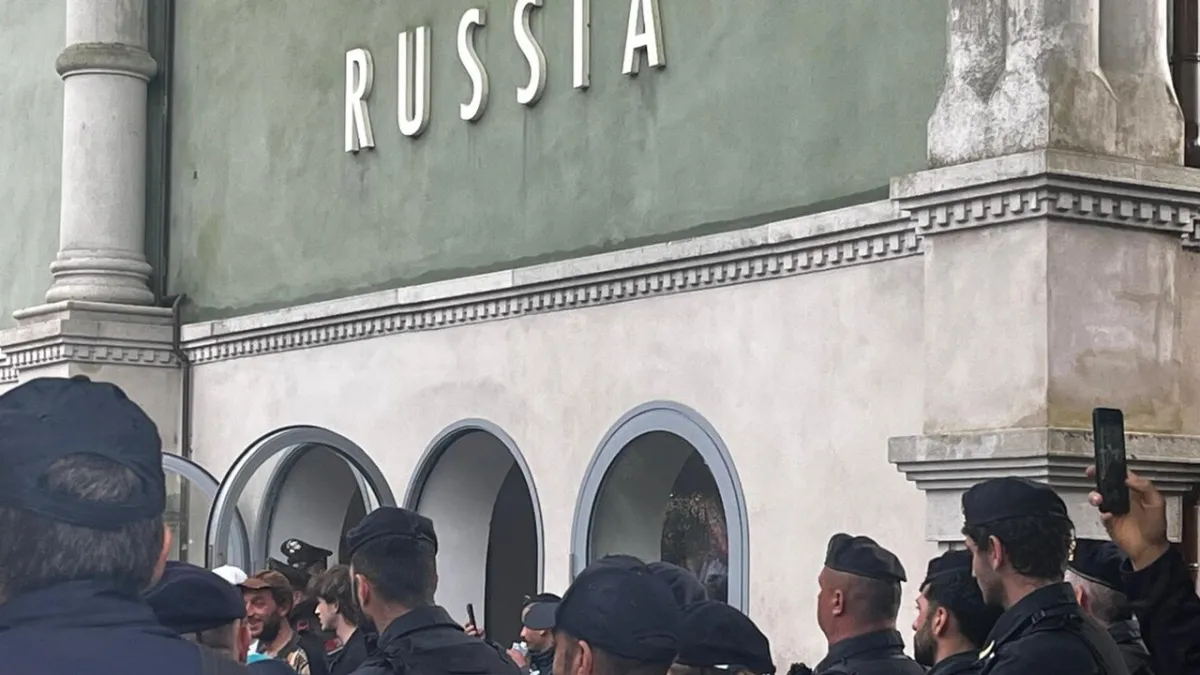
Venice — The European Union (EU) has officially frozen a grant of two million Euros designated for the Venice Biennale in 2026. This decision, announced by the European Commission, has sparked a wave of anger in Italy, particularly from the right-wing Lega party, which accuses the EU of excessive intervention in national cultural autonomy.
The funding freeze is rooted in the EU's firm stance that “culture in Europe must promote democratic values.” This statement implicitly highlights alleged violations of these principles by the Venice Biennale, specifically concerning its ties or involvement with Russian-affiliated entities amidst ongoing geopolitical tensions. This policy underscores the bloc's priority on the integrity of fundamental values.
Internal sources indicate that the freeze is a direct response to certain activities or the participation of parties deemed inconsistent with the EU's commitment to democracy and sovereignty, especially those related to Russian aggression. This is not merely a financial measure but a strong political message from Brussels.
Immediate strong reactions came from the Lega party. Italian Deputy Prime Minister from Lega, Matteo Salvini, issued a sharp statement. “This action by the European Union is an unacceptable interference in artistic freedom and Italy's cultural autonomy. Art should not be held hostage to political maneuvers,” Salvini declared, highlighting concerns about the politicization of the cultural sector.
The two-million Euro funding freeze will undoubtedly have a significant impact on the operations and programs of the Venice Biennale, one of the world's most prestigious art and architecture events. These funds are vital for supporting innovative projects, logistics, and the sustainability of the exhibition, which has long been a magnet for international artists and visitors.
Investigative journalism has revealed that this decision was triggered by reports indicating cooperation between some Biennale organizers and Russian entities on the EU sanctions list or those deemed to support the current regime. While specific details remain debated, the EU insists on its commitment to upholding sanction red lines. For more information on similar cases, the public can explore the related article: European Union Slams Venice Biennale: Two Million Euro Funds Frozen Due to Russia.
Italy's Ministry of Culture, currently led by Gennaro Sangiuliano, stated its intention to engage in intensive dialogue with the European Commission to find a solution. However, they also emphasized the importance of protecting national cultural identity and artistic freedom of expression without external political pressure.
This situation reopens a long-standing debate about the extent to which politics should interfere with the realm of art and culture. For the EU, the protection of democratic values and the enforcement of sanctions are non-negotiable principles, even if it means sacrificing funding for prominent cultural institutions.
Some critics argue that this action could set a dangerous precedent, potentially limiting artistic expressions that hold differing political views. They fear that artists and institutions will increasingly feel pressured to conform to dominant political narratives to avoid losing financial support.
The organizers of the Venice Biennale themselves have not yet issued a detailed official statement but are certainly evaluating legal and diplomatic steps that can be taken. They are expected to release a comprehensive response soon, explaining their position on the allegations and their impact on this year's event.
This controversy serves as a stark reminder that in 2026, the interconnectedness of art, politics, and the global economy is increasingly complex. The EU's decision regarding the Venice Biennale sends a strong signal that even cultural institutions are not immune to the consequences of geopolitical tensions and the enforcement of democratic values on the international stage.