BAHRAIN – Geopolitical tensions in the Middle East have flared again after Iran reportedly launched a drone attack on a United States military base in Bahrain. This incident follows a similar strike in early September that also targeted US facilities in the United Arab Emirates, affirming a worrying pattern of escalation in the Gulf region. Nevertheless, Tehran surprisingly affirmed that the door for dialogue toward a deal with Washington remains wide open.
This latest attack, which Iran described as a response to threats against its sovereignty, has fueled global concerns about broader destabilization. Intelligence sources indicated that Iranian drones successfully penetrated defense systems and hit vital targets, although details regarding damage and casualties have not been officially released by either the US or Bahrain.
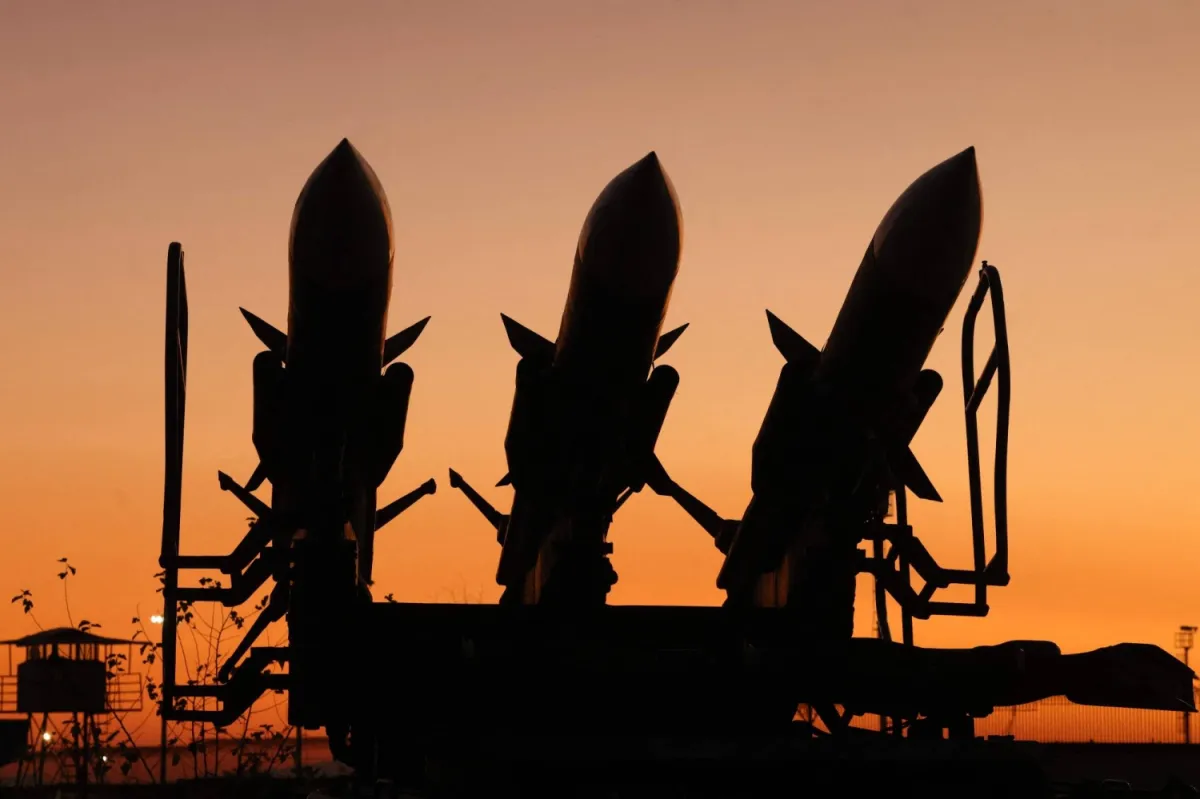
This event marks a significant escalation in a series of confrontations between Iran and Western powers, particularly the United States, which have spanned several years. Iran's use of advanced drone technology demonstrates the country's increasing military capabilities in projecting power beyond its borders.
According to a regional security analyst, Dr. Hamid Reza, 'This attack is not merely a show of force, but also a political message. Iran wants to demonstrate its ability to retaliate against any aggression, while simultaneously keeping diplomatic avenues open.' Dr. Reza's statement underscores the complexity of the conflict dynamics in the region.
The Bahraini government itself has heightened its alert level following the incident. In an official statement, the Bahraini Ministry of Foreign Affairs strongly condemned the attack, calling it an act of aggression that endangers regional stability. Iran's claim of attacking a US base sparks new crisis, as voiced by Bahraini authorities, reflects deep concern.
On the other hand, a response from Washington is still awaiting further confirmation. However, the pattern of these attacks indicates that Iran may be seeking to pressure the United States back to the negotiating table regarding its nuclear program and burdensome economic sanctions.
Iranian Foreign Ministry spokesman, Saeed Khatibzadeh, reiterated in a press conference in Tehran that 'the path to a deal with the United States remains open.' He added that Iran is ready to negotiate as long as there is goodwill and respect for Iran's national interests.
However, this offer of dialogue coincides with aggressive military maneuvers, creating a paradox in Iran's foreign policy. Critics argue that this strategy is a dual effort: exerting pressure through military force while demonstrating diplomatic flexibility.
This escalation in the Gulf is reminiscent of the escalating Middle East crisis some time ago, where Iran was also involved in attacks on US facilities. Fears of a larger conflict always loom over every provocation in this strategic region.
The international community urges all parties to exercise restraint and return to diplomatic channels. The Secretary-General of the United Nations, in a statement, called for immediate de-escalation and constructive dialogue to alleviate tensions that could have severe regional and global consequences.
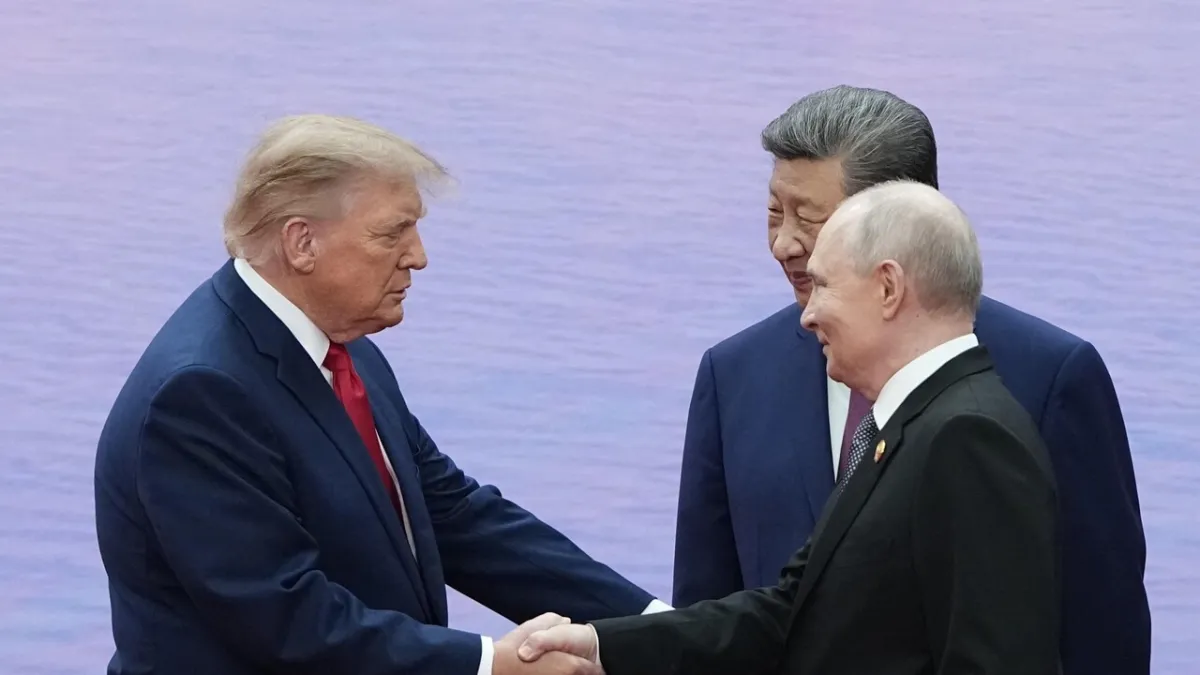
This situation places US President Donald Trump in a dilemma. On one hand, he must demonstrate firmness in protecting US interests and troops in the Middle East. On the other hand, his priority to achieve a diplomatic agreement may be a strategic consideration.
With the continued drone strikes and contradictory diplomatic rhetoric, the world watches the Gulf with apprehension. Regional stability depends on the ability of key actors to find common ground that can prevent further escalation.
Editorial Insight: Iran's drone attack on the US base in Bahrain underscores a bold yet risky strategy. Tehran appears to be aiming to build a stronger bargaining position in any future negotiations with Washington, particularly regarding sanctions and its nuclear program. However, this approach is highly vulnerable to triggering a larger military response from the United States, which could drag the region into a much broader conflict than anticipated. The success or failure of this strategy will heavily depend on both sides' ability to keep communication channels open while avoiding fatal miscalculations.