 Dodi Irawan
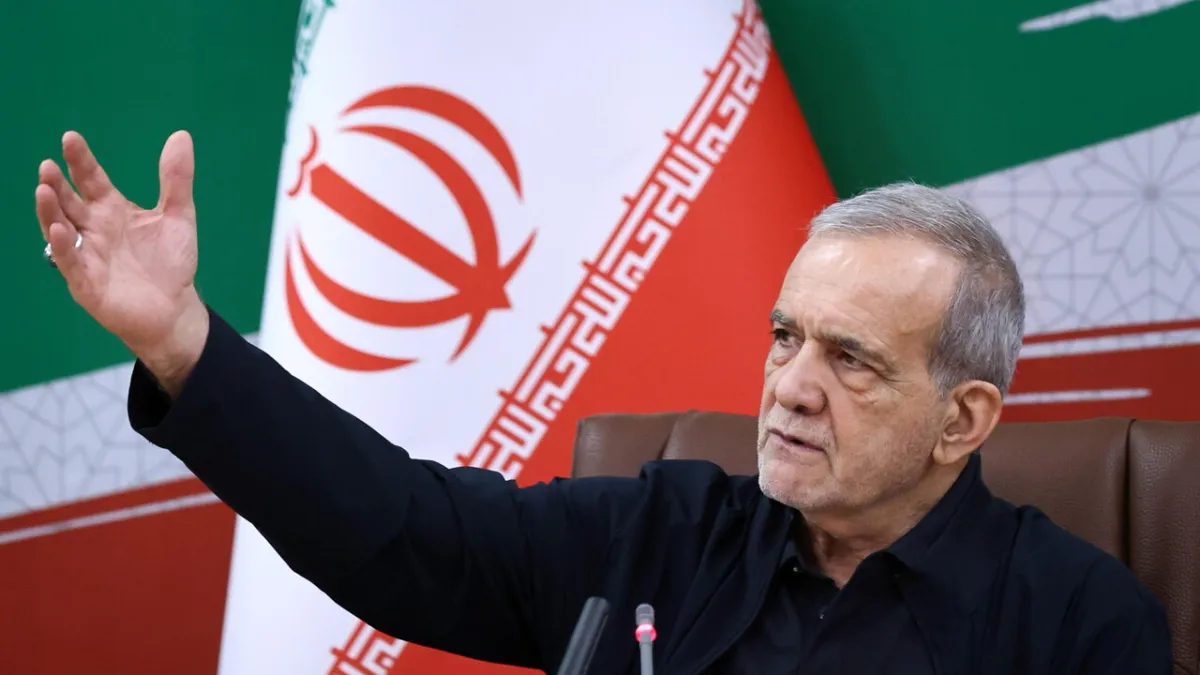
Tehran – Iran has issued a stern ultimatum regarding the Strait of Hormuz, the world's vital oil shipping lane. A senior official in Tehran affirmed that the strategic strait would be closed if the United States fails to correct its behavior. This statement emerges amidst escalating regional tensions, even as prominent politician Masoud Pezeshkian views this moment as the best opportunity to achieve a diplomatic agreement.
The threat, delivered by an unnamed but high-ranking official, indicates specific "conditions" that Washington must meet. While the details of these conditions have not been explicitly disclosed, they are widely believed to relate to economic sanctions, Iran's nuclear program, and the US military presence in the Persian Gulf region.
The Strait of Hormuz, situated between the Gulf of Oman and the Persian Gulf, is the lifeline for over a fifth of the world's crude oil supply. A closure of this route would have massive destabilizing implications for global energy markets, triggering oil price spikes and potentially igniting an international economic crisis.
In contrast to the threatening rhetoric, Masoud Pezeshkian, an influential political figure in Iran, voiced optimism. Pezeshkian stated, "This is the best time to reach an agreement," suggesting that beneath Tehran's stern threats, there is room for constructive negotiation. His perspective highlights internal divisions regarding the best approach to confronting Western pressure.
Relations between Iran and the United States have long been volatile, particularly after the US withdrawal from the JCPOA nuclear deal in 2018. Since then, diplomatic efforts have frequently reached impasses, accompanied by new sanctions and military incidents that have heightened tensions in the Gulf. In 2026, these dynamics remain a central focus of both nations' foreign policies.
The threat to close Hormuz is not new. Iran periodically employs this rhetoric as a bargaining chip in negotiations or as a response to escalating pressure. However, each time the threat emerges, the international community responds seriously, given the potential economic and security repercussions.
While this threat sounds firm, its implementation would pose a significant challenge for Iran. Such an action could provoke a strong international military response and further isolate Tehran on the global stage. Therefore, this threat often functions more as a serious warning and an attempt to attract diplomatic attention.
Pezeshkian, with his statement, may be attempting to open a window for diplomatic resolution. His moderate approach could be a strategy to offer an exit from the stalemate, especially if the United States is willing to reconsider its sanctions approach or reopen direct dialogue without overly burdensome preconditions.
The Tehran government is expected to closely monitor reactions from Washington and its allies. The success of this pressure will largely depend on how far the international community is willing to make concessions or at least seek compromise solutions that can de-escalate tensions in this strategic region.
The long-term implications of this statement will shape the geopolitical landscape of the Middle East for years to come. On one hand, there is a risk of military escalation, yet on the other, Pezeshkian's statement could pave the way for a new round of negotiations that could foster stability.
Editorial Insight:
The threat of closing the Strait of Hormuz is a classic Iranian strategy to gain attention and enhance its bargaining power in negotiations. This firm statement from an official, followed by a pragmatic view from Pezeshkian, indicates a "good cop, bad cop" play in Tehran's diplomacy. The real issue lies in the United States' willingness to substantially alter its policy towards Iran and return to the negotiating table with more flexible terms. Without significant changes, tensions in the Strait of Hormuz will continue to smolder, potentially igniting a major conflict at any time.