 Debby Wijaya
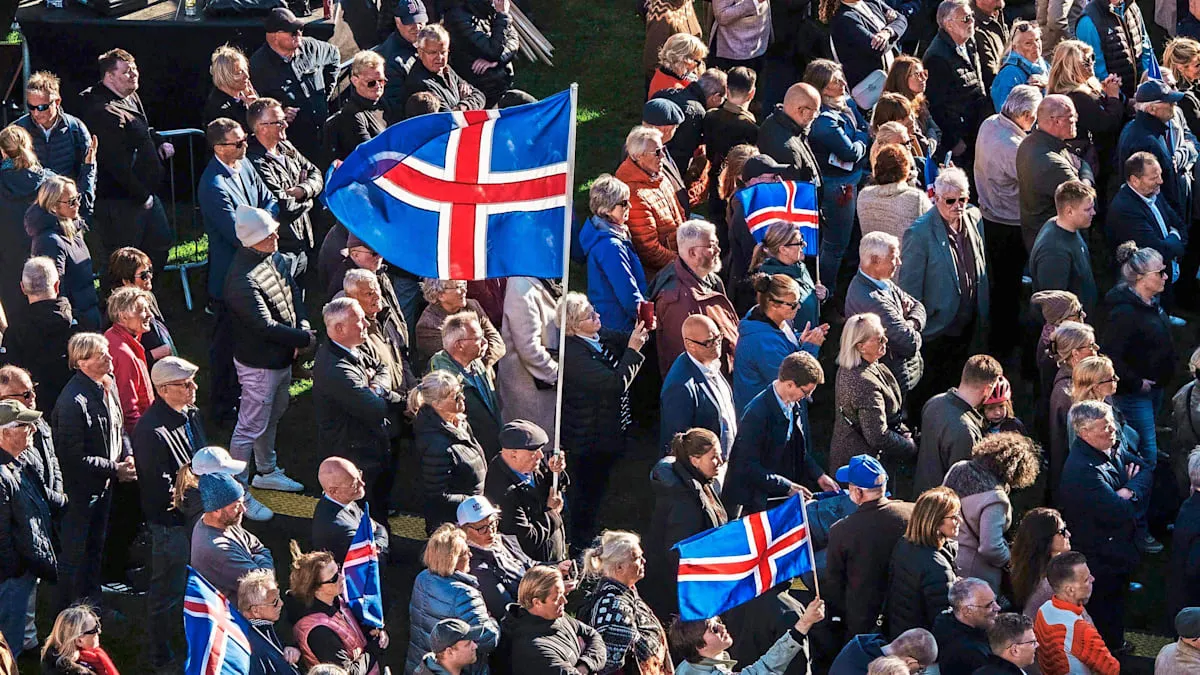
Reykjavik – Citizens of Iceland have recently voted decisively against resuming accession negotiations with the European Union in a pivotal referendum. The ballot results showed an exceptionally narrow margin, with 52.8 percent opposing and 47.2 percent supporting continued membership dialogue. This decision has the potential to reshape the political and economic landscape of Northern Europe.
This historic decision marks a new chapter in the complex relationship between Iceland and the European bloc. Iceland's accession talks had previously stalled in 2013, following the rise of an EU-skeptic government. Throughout this period, the issue of sovereignty over fisheries resources consistently proved to be the primary obstacle to negotiating progress.
WELT reporter Lara Jakel, in her dispatch, highlighted how these referendum results reflect deep-seated sentiments among the Icelandic populace. Intense debates regarding the pros and cons of EU membership have transpired for years, with concerns over the loss of control over fisheries policy and potential impacts on national identity serving as dominant factors.
The majority vote against joining indicates that a significant portion of Icelandic citizens still perceive the prospect of EU membership as a threat to their national interests. While arguments for potential economic benefits and political stability offered by membership were present, the narrative of sovereignty ultimately proved stronger.
Proponents of accession argued that EU membership would integrate Iceland into a larger single market, boost investment, and provide a voice at the European decision-making table. They also emphasized the importance of political alliances amid the escalating global uncertainties prevalent in 2026.
However, the opposing camp steadfastly maintained that Iceland's status as a member of the European Economic Area (EEA) already provides sufficient market access without sacrificing control over the vital fishing sector, which forms the backbone of the island nation's economy. They feared that EU fisheries policies would detrimentally affect local industries and traditional fishing practices.
These referendum results underscore the challenges the European Union faces in expanding its influence, particularly in countries with highly specific national identities and economic sectors. It also serves as a potent reminder of the importance of national sovereignty for many European nations, even when presented with the allure of greater regional integration.
Despite the extremely close outcome, the Icelandic people's decision to reject further negotiations is a strong indicator of their desire to maintain an independent course. This will compel Icelandic leaders to re-evaluate their foreign relations strategy, focusing on bilateral or multilateral agreements outside the EU framework.
It is worth noting that other articles have previously covered similar issues, such as the report Referendum Islandia: Kubu Penolak Uni Eropa Unggul Tipis, which highlighted the intense competition in Icelandic public opinion.
The long-term implications of this decision remain to be seen. The European Union may need to re-evaluate its approach to potential candidate countries in the future, while Iceland must manage both domestic and international expectations and concerns.
Editorial Insight: Iceland's decision not to resume EU membership negotiations is a testament to the complexities of regional integration versus national sovereignty. With such a tight result, it demonstrates that while Icelandic society is divided, it ultimately chose to retain full control over its natural resources. This could set a precedent for other small nations contemplating membership, underscoring that local identity and interests often outweigh the promise of broader economic integration.