 Stefani Rindus
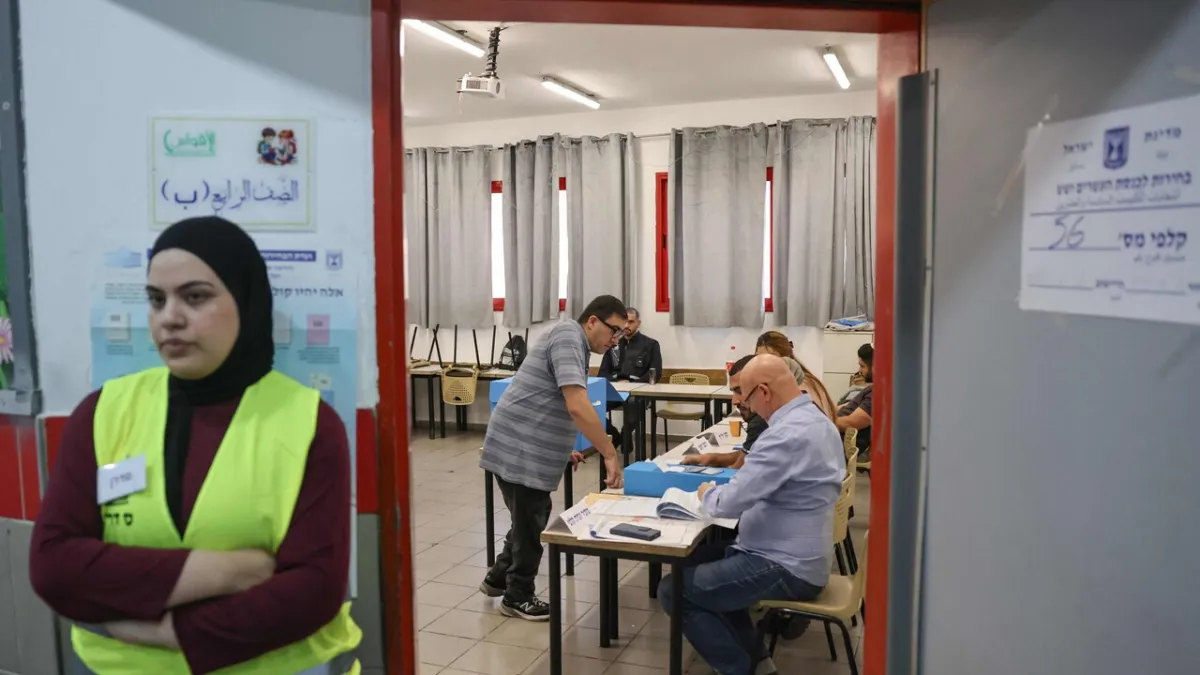
TEL AVIV – Millions of Israelis flocked to polling booths today, 2026, in a highly anticipated general election to renew the composition of the Knesset, the country's parliament. More than seven million registered voters have the right to determine the future direction of Israel after a series of dramatic events, including the post-October 7 incidents that fundamentally shook regional and domestic stability. This election is not merely a routine parliamentary change but a referendum on policies and leadership that will guide the nation through complex geopolitical challenges.
The opening of polling stations since morning reflects both great hopes and public anxieties. The atmosphere in various cities, from Jerusalem to Haifa, was filled with the enthusiasm of citizens eager to exercise their right to vote. This election is considered one of the most crucial in modern Israeli history, following calls for reform and intense crisis management.
The post-October 7 events last year left deep wounds and sparked fierce debates about national security strategy and relations with neighbors. The incident became a significant turning point, triggering a wave of criticism against the previous government and accelerating the political agenda. The public demands accountability and a stronger, more adaptable leadership vision.
Initial data indicates a high voter turnout, suggesting that Israeli citizens are aware of the gravity of the decisions they must make. The voter demographic is highly diverse, covering a broad spectrum of political and ideological views, from ultra-Orthodox to secular voters, as well as Arab Israelis. Every vote has the potential to influence the balance of power in parliament.
Key issues dominating the campaign include national security, a struggling economy, judicial reform, and of course, the prospects for peace or at least stability in the region. Participating parties have pitted their ideas and promises against each other in an effort to convince constituents that they are the most capable of tackling these intricate problems.
Israel's political landscape is known to be highly fragmented, with many small parties vying for seats. Coalition governments are often formed from various factions that sometimes have conflicting agendas, making governance frequently fragile. Analysts predict that forming a coalition government after this election will be a difficult process requiring significant compromise.
The world's eyes are on Israel, closely watching the results of this election. Global leaders understand that the new government will have a significant impact on geopolitical dynamics in the Middle East. Friendly nations and stakeholders hope that the election results can bring stability and pave the way for constructive dialogue.
Security across the country has been tightened, especially around polling stations and strategic locations, to ensure the smooth conduct of the democratic process. Security forces have been put on high alert to prevent potential incidents that could disrupt the election. Any attempts at provocation are expected to be anticipated quickly and effectively.
Relations with Palestine, particularly in the West Bank region, are also under scrutiny. The situation there remains tense with the IDF's arrest of dozens of Palestinians in early 2026, highlighting the importance of balanced foreign and security policies from the elected government.
Diplomatic issues, such as the expulsion of foreign activists and international condemnation regarding actions in the West Bank, will also be an important agenda for the new cabinet. The incoming leadership must be able to navigate criticism and rebuild trust on the global stage.
Voters hope the new government will be able to restore public confidence, ease internal tensions, and restore Israel's image in the world. However, the challenges faced are immense, ranging from external security threats to social and political polarization within the country.
Editorial Insight: This 2026 Israeli election goes beyond a typical general election; it is a crucial moment that will shape the nation's identity and direction amidst ongoing regional turmoil. The outcome will not only determine who holds power but also whether Israel can find a path towards internal stability and reconciliation, or instead become trapped in a deeper cycle of political and security uncertainty. The collective decision of these seven million votes will form the foundation for an uncertain future.