 Angela Stefani
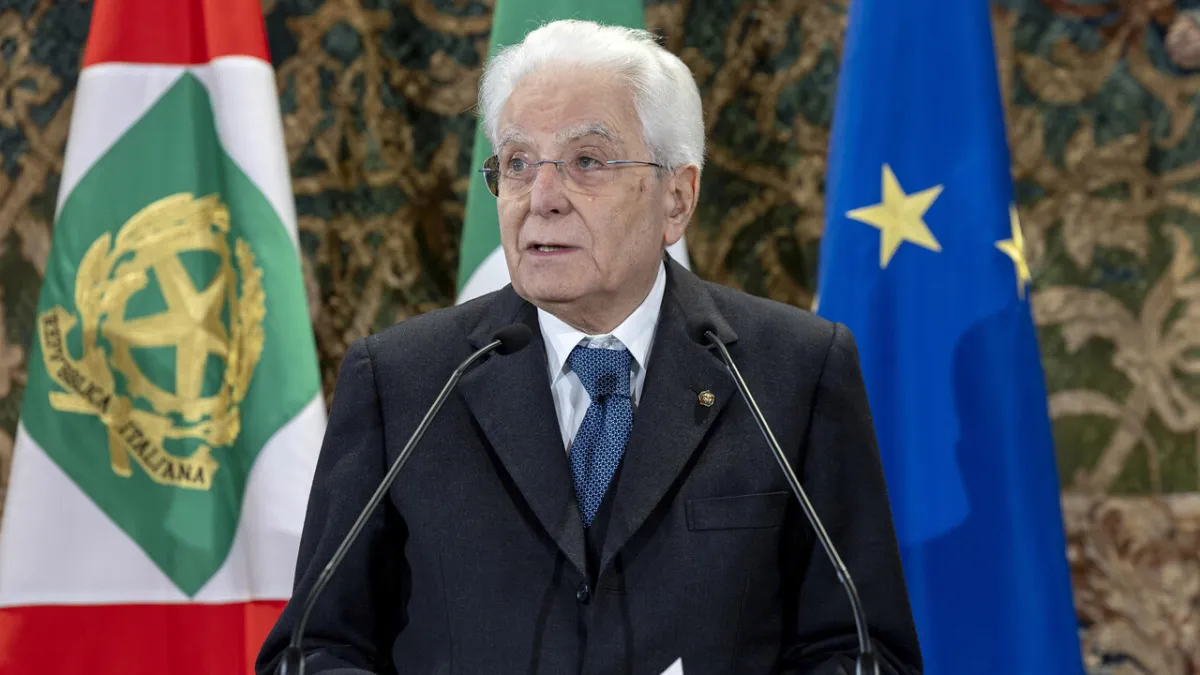
ROME – Italian President Sergio Mattarella in 2026 reaffirmed his nation's steadfast commitment to safeguarding global peace, promoting multilateralism, and upholding the dignity of every individual. This statement underscores Italy's continuous resolve in confronting an increasingly complex geopolitical landscape.
Mattarella emphasized that Italy's involvement extends beyond mere rhetoric. The nation actively deploys its contingents, both in military and humanitarian missions, across various parts of the world. This step serves as a tangible manifestation of Italy's responsibility as a dedicated member of the international community.
Support for global partnerships, particularly under the auspices of the United Nations (UN) and the European Union (EU), forms a cornerstone of Rome's diplomatic strategy. Mattarella highlighted that collective cooperation is key to responding to global crises, from regional conflicts to transnational challenges such as climate change and pandemics.
The concept of multilateralism, according to Mattarella, is not merely a diplomatic slogan but a vital foundation for a stable and just world order. Through the UN platform, Italy continues to foster dialogue, peaceful resolutions, and respect for international law, which are essential to prevent escalating tensions.
Italy's engagement within the European Union also serves as an important channel for this commitment. As a founding member, Rome actively contributes to the EU's common foreign and security policy, strengthening Europe's voice on the world stage for crucial issues.
The role of Italy's contingents, often deployed in conflict zones or post-conflict regions, highlights the practical dimension of these peace efforts. Italian peacekeepers not only maintain security but are also frequently involved in reconstruction projects and humanitarian support, providing direct positive impact on local communities.
Mattarella's statement is relevant within the geopolitical dynamics of 2026, where global polarization and tensions remain a primary focus. Issues such as ongoing conflicts in the Middle East, as seen in the Israeli attack on a Gaza hospital, demonstrate the urgency of commitment to peace.
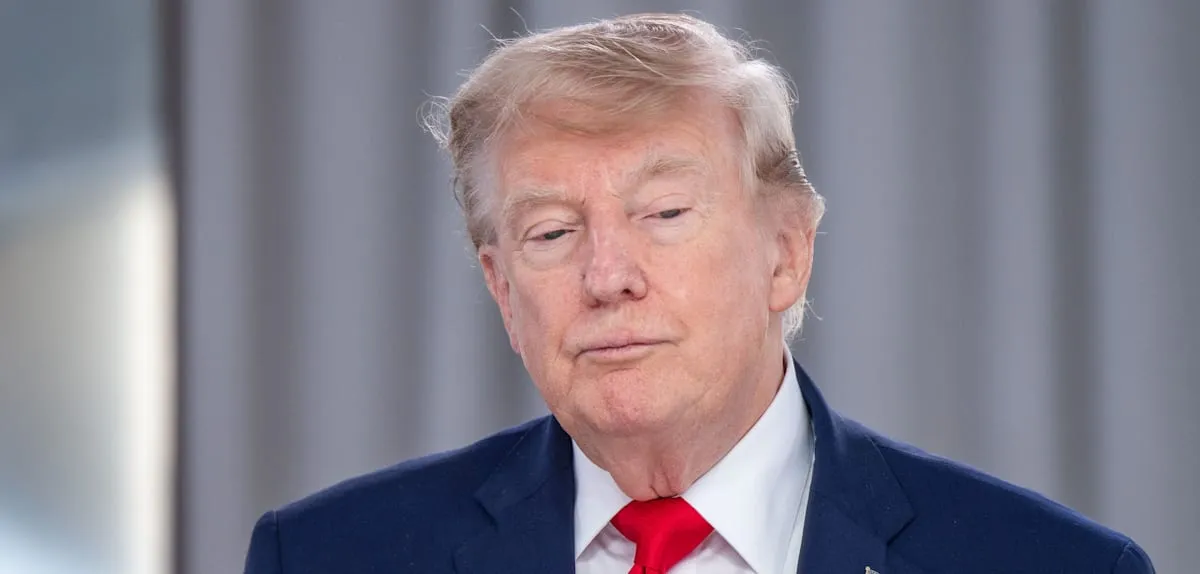
President Mattarella also implicitly alluded to the importance of maintaining a balance of power and preventing singular dominance. In an era where various major powers, including the United States under President Donald Trump, China, and Russia, seek to assert their influence, the voice of multilateralism becomes increasingly vital. This issue is often discussed in high-level meetings like those depicted in the Xi-Trump-Putin Summit which reshaped global spheres of influence.
Commitment to human dignity is also a central element of Mattarella's address. This includes the protection of human rights, social justice, and the rejection of all forms of discrimination. Italy posits that true peace cannot be achieved without full respect for the fundamental rights of every individual.
Through this approach, Italy endeavors to project an image as a nation not only concerned with its national interests but also responsible for the collective stability and well-being of humanity. This is a declaration that places universal principles at the forefront of modern diplomacy.
Editorial Insight:
President Mattarella's statement underscores Italy's effort to maintain its position as a constructive global actor amidst a turbulent international landscape. The commitment to multilateralism and human dignity serves as an antidote to trends of unilateralism and polarization. While global challenges remain significant, the reaffirmation of these principles by influential nations like Italy offers hope for collective efforts towards a more stable and just future. It also reinforces the crucial role of supranational institutions such as the UN and EU as vital platforms for dialogue and cooperation.