 Angel Doris
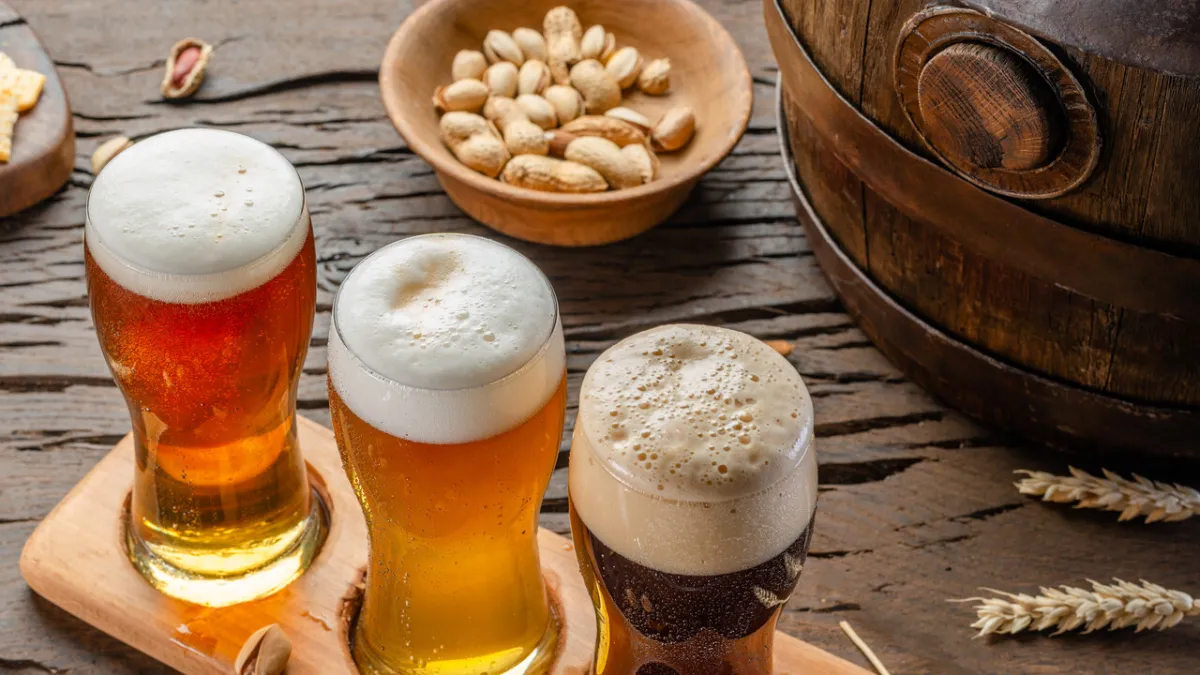
ROME – Italy's craft beer industry is now celebrating three decades of transformative journey, marking 30 years of remarkable evolution from the passion of pioneers to an economic phenomenon supporting nearly a thousand modern microbreweries by 2026. This journey is not merely about numerical growth but reflects a shift in consumer tastes and a recognition of culinary innovation at the heart of Europe.
Thirty years ago, the concept of craft beer, or birra artigianale, was still a novelty in a country synonymous with wine. A few daring individuals, inspired by brewing traditions in Anglo-Saxon countries and Belgium, began experimenting in their garages and kitchens. They were the seeds of a revolution that has now borne sweet fruit.
Initially, the challenges were significant. Complex bureaucracy, a lack of specific raw materials, and the dominance of large industrial beer brands made the path for these pioneers arduous. However, their determination to create products with unique character and premium quality never wavered.
Over time, consumers began to open up to a wider variety of beer choices. Awareness of quality, authenticity, and the story behind every drop of craft beer grew rapidly. This sparked demand, which in turn encouraged more young entrepreneurs to enter the sector, turning a hobby into a livelihood.
Recent data indicates that Italy boasts nearly 1,000 microbreweries spread across the country, from the Alps to the Sicilian coast. This figure reflects a healthy market dynamic and the industry's ability to adapt to change.
This growth is not limited to production but also creates a broader business ecosystem. Linked to agriculture, gastronomic tourism, and even education, the craft beer industry makes a significant contribution to Italy's creative economy. Many of these beers use local ingredients, strengthening regional identity.
Innovation has been key to success. Italian brewers are known for their creativity in blending brewing traditions with a Mediterranean touch, resulting in unique beer variants infused with local fruits, spices, or even honey. They dared to redefine what beer means in a wine country.
Craft beer is not just a beverage; it is an expression of culture, art, and regional identity, stated Giuseppe Rossi, an observer of the fermented beverage industry, in a recent interview. This growth shows that Italy has always had the capacity for innovation, even in non-traditional fields.
However, amidst the euphoria of this celebration, new challenges also emerge. Increased competition, evolving regulations, and the need for sustainability are becoming central focuses for industry players. Investment in green technology and responsible production practices is imperative.
The Italian government and various industry associations actively support the development of this sector through various policies and incentives. They recognize the potential of craft beer as a valuable cultural and economic asset.
This three-decade celebration serves as a moment for reflection and future projection. What began as a small ripple by courageous individuals has now become a powerful current, bringing new vitality to Italy's culinary landscape. It is a success story of how passion and dedication can transform a market.
Just as cultural celebrations thrive in Italy, this craft beer sector has also become an attraction, similar to the captivating Ferragosto celebrations that enchant cities, proving that Italy never lacks ways to celebrate life and innovation.
Editorial Insight:
The transformation of Italy's craft beer industry over the past 30 years underscores the power of creative economy and market adaptation. It demonstrates that even in an established sector like alcoholic beverages, there is ample room for innovation and differentiation, especially when driven by quality and local identity. Its potential for continued growth, particularly through exports and gastronomic tourism, remains very promising, although global competition will increasingly demand standards of sustainability and efficiency.