 Chris Robert
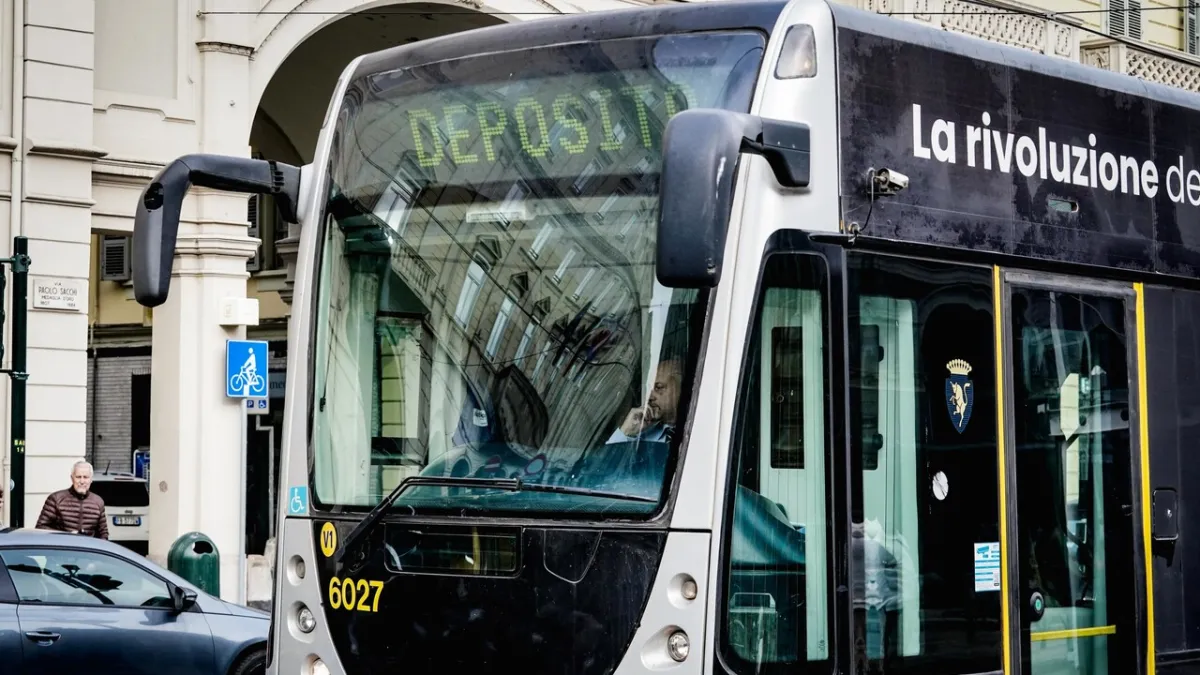
ROME – A massive national strike swept through Italy on the 20th of this month, effectively paralyzing vital sectors such as education and public transportation. This protest, triggered by various demands from labor unions, caused significant disruption to the daily activities of millions of citizens across the country.
The union demonstration specifically targeted key services. From halted school operations to stagnant city bus services, and the disruption of crucial taxi and port operations vital for Italy's economy.
This all-day strike is a response to economic conditions and government policies perceived as not favoring workers' welfare. Inflationary pressures and demands for wage increases are the main triggers behind the unions' decision to take such drastic action.
Thousands of demonstrators filled major city streets, voicing their frustration. They demanded improved working conditions, better social security, and salary increases commensurate with the rising cost of living in 2026.
Despite the paralysis in many sectors, some public services initially escaped the direct impact of the strike. Air travel and train services were unaffected on the 20th, providing a small window of mobility for people relying on long-distance transport.
However, this calm was temporary. Railway unions announced another operational halt to begin on Friday evening, adding to the long list of disruptions Italian society must face. This announcement immediately raised new concerns about weekend mobility.
The Italian government, under public and union pressure, is expected to seek comprehensive solutions promptly. Constructive dialogue between the government and union representatives is key to preventing a broader and prolonged escalation of the conflict.
The economic impact of such a national strike cannot be ignored. Losses are estimated to reach millions of euros daily due to halted production, services, and supply chains. The tourism sector, a backbone of the Italian economy, also risks a significant decline in revenue.
For students and parents, school closures mean children must study at home, posing unique logistical challenges. Many parents are forced to take leave or find alternative childcare, adding to existing socioeconomic burdens.
This situation underscores the social tensions still looming in several European countries, including Italy, amidst uncertain global economic conditions. The global community is watching how the Italian government will handle this labor crisis to prevent it from spreading to other sectors.
Editorial Insight:
This paralyzing national strike in Italy reflects deep dissatisfaction with economic conditions and the government's response. In the midst of 2026, this phenomenon is not merely a local issue, but an indication of structural pressures that could trigger similar unrest in other countries if civil society demands are not accommodated wisely and swiftly. The government urgently needs to formulate a crisis management strategy that is not only reactive but also proactive in maintaining long-term social and economic stability.