 Demian Sahputra
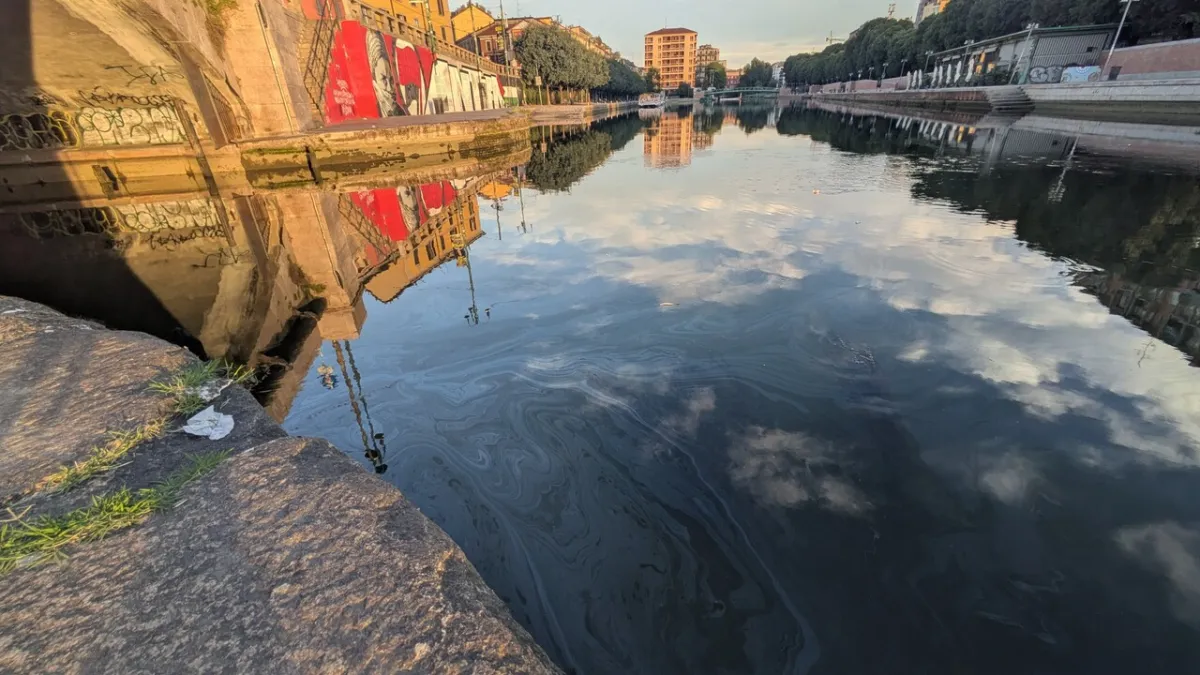
MILAN – A massive 28-kilometer diesel fuel spill has marred the historic beauty of Italy's Naviglio River, extending all the way to the Darsena area. This incident, detected recently, raises profound concerns about the long-term impact on the local ecosystem and aquatic biodiversity, particularly the threatened fish fauna. Local environmental authorities immediately began moving to identify the source of the pollution and devise an emergency response strategy.
This extensive diesel spill was first reported in the upstream segment of Naviglio before reaching the Darsena area, the heart of Milan, known as one of Italy's cultural and historical icons. Environmental experts and local officials assert that the scale of this contamination demands a swift and coordinated response to minimize ecological damage.
Parco del Ticino, the conservation entity managing a significant portion of the affected region, has issued an official statement. They highlight severe consequences for fish fauna and emphasize that a major intervention is required for the restoration process. This condition directly threatens the survival of native species inhabiting the Naviglio waters.
Several local environmental organizations have also voiced their concerns. They urge the government to immediately investigate the cause of the spill, questioning whether it was purely an accident or involved intentional negligence. Transparency in handling the incident is crucial for rebuilding public trust.
Oil or diesel fuel pollution in freshwater can cause multi-layered damage. Chemical substances in diesel are toxic to aquatic organisms, damaging fish gills, disrupting reproduction, and contaminating food sources. Furthermore, a layer of diesel on the water surface blocks sunlight penetration, inhibiting photosynthesis in aquatic plants.
The visual impact of the spill is stark, with vast stretches of oily black liquid floating on the water's surface, creating a heartbreaking sight for visitors and local residents. A strong diesel odor is also palpable around the affected area, adding a dimension of discomfort to the urban environment.
The Milan city government, along with the Coast Guard and disaster response teams, has deployed specialized units. They are working to install floating barriers (booms) and use absorbent materials to soak up the spilled diesel. However, the extensive affected area presents a significant challenge in these cleanup efforts.
We are facing a serious environmental emergency, stated a spokesperson from the Regional Environmental Protection Agency (ARPA) Lombardia. Our primary focus right now is to isolate the spill and prevent its further spread into broader water systems.
Similar incidents, albeit on a different scale, have occurred in the Naviglio region, underscoring the ecosystem's fragility to pollution. One recorded case involved a king swan in Naviglio severely injured by mysterious substance contamination. This experience should serve as a valuable lesson in formulating more effective mitigation measures.
Environmental activists have called for active public participation in reporting any developments or findings related to this diesel spill. They also emphasize the importance of public education programs on the impacts of pollution and methods for maintaining clean aquatic environments.
A thorough cleanup is estimated to take months, possibly even years, depending on the extent of the damage and the success of restoration efforts. The costs incurred for the cleanup operation and ecosystem restoration are also expected to be substantial, burdening local government budgets.
Editorial Insight:
This diesel spill incident in Naviglio is not merely a local environmental crisis but a reflection of urban ecosystems' fragility in the face of industrial activity and insufficient oversight. The widespread scale of the damage indicates the need for stricter environmental audits of facilities along the river, as well as more responsive early warning systems. The Italian government must promptly implement tougher regulations and severe penalties for parties proven to be negligent or responsible for such contamination. Environmental sustainability and public health cannot be compromised.