 Robert Andrison
MAGDEBURG – A wave of concern envelops the political landscape of Germany in 2026 as the influence of the Alternative for Germany (AfD) party strengthens. Amidst this heated atmosphere, the main opposition leader Friedrich Merz of the Christian Democratic Union (CDU) issued a firm call from Magdeburg, warning that the country must not be allowed to be destroyed by forces threatening its democratic foundations. This statement emerges alongside AfD's ambition, captured by its leader, Alice Weidel's, instruction to 'Ulli write history,' marking a crucial moment for the republic's future.
The rise of the AfD, a party often categorized as far-right, has sparked intense debate both domestically and internationally. Its growing popularity, particularly in eastern German states, fuels serious discussions about the erosion of liberal values and pluralism that have long been pillars of post-war Germany.
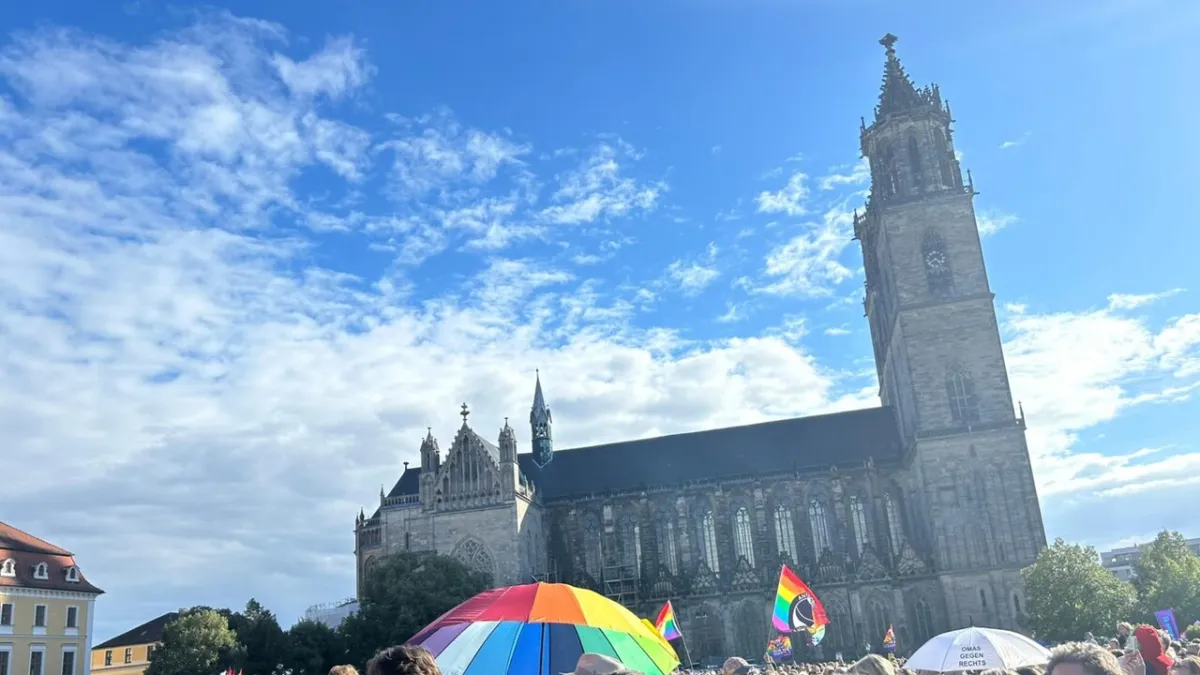
Merz's speech in Magdeburg, celebrated as a 'great festival of democracy,' is clearly a response to these unsettling political dynamics. He called for unity among citizens who believe in democratic principles to stem the tide of polarization and extremism.
'We must not let them destroy our country,' Merz stated passionately, referring to political forces he believes are attempting to undermine Germany's stability and social cohesion. This appeal aligns with earlier condemnations from the German Chancellor, who also firmly rejected attempts to harm the nation.
On the other side of the political spectrum, Alice Weidel's instruction to the figure she called 'Ulli' to 'write history' indicates AfD's significant ambition to make its mark on Germany's political narrative. This statement, though vague, implies that AfD sees a crucial political momentum to fundamentally alter the country's direction.
The fear of rising populist and nationalistic ideologies is not new in German history, given the country's dark past. Therefore, any political movement perceived as threatening civil liberties and democratic norms always receives close scrutiny from the public and political institutions.
The AfD is known for its anti-immigration platform, skepticism towards the European Union, and sometimes rhetoric that challenges existing political consensus. These policies have attracted support from segments of voters who feel unrepresented by established parties.
The choice of Magdeburg as the location for Merz's speech is also strategic. The capital of Sachsen-Anhalt is a region where AfD has a significant support base. The Sachsen-Anhalt region itself is facing political tensions ahead of elections, adding urgency to Merz's message. Holding a 'festival of democracy' there aims to reassert inclusive values in the face of populist challenges.
This tense political climate indicates a significant shift in the German landscape. Traditional parties are forced to re-evaluate their strategies in dealing with the growing appeal of the AfD. The battle of narratives between the protection of democracy and calls for radical change is becoming increasingly intense.
Germany's political future will largely depend on how mainstream parties can articulate a convincing vision, while simultaneously curbing extreme narratives that could divide society.
This battle for the soul of Germany, symbolically played out on the stage of Magdeburg, is far from over. It demands collective vigilance and unwavering commitment to the principles of the republic.
Editorial Insight: The situation in Germany reflects a global trend where right-wing populist parties are increasingly challenging the status quo. Friedrich Merz's speech in Magdeburg is not merely campaign rhetoric but an urgent call to safeguard fragile democratic pillars. The collective response from civil society and established parties will determine whether Germany can overcome the threat of political fragmentation or become trapped in a vortex of extremism that could alter its national identity. Upcoming elections will be a crucial barometer for the resilience of German democracy.