 Gabriella
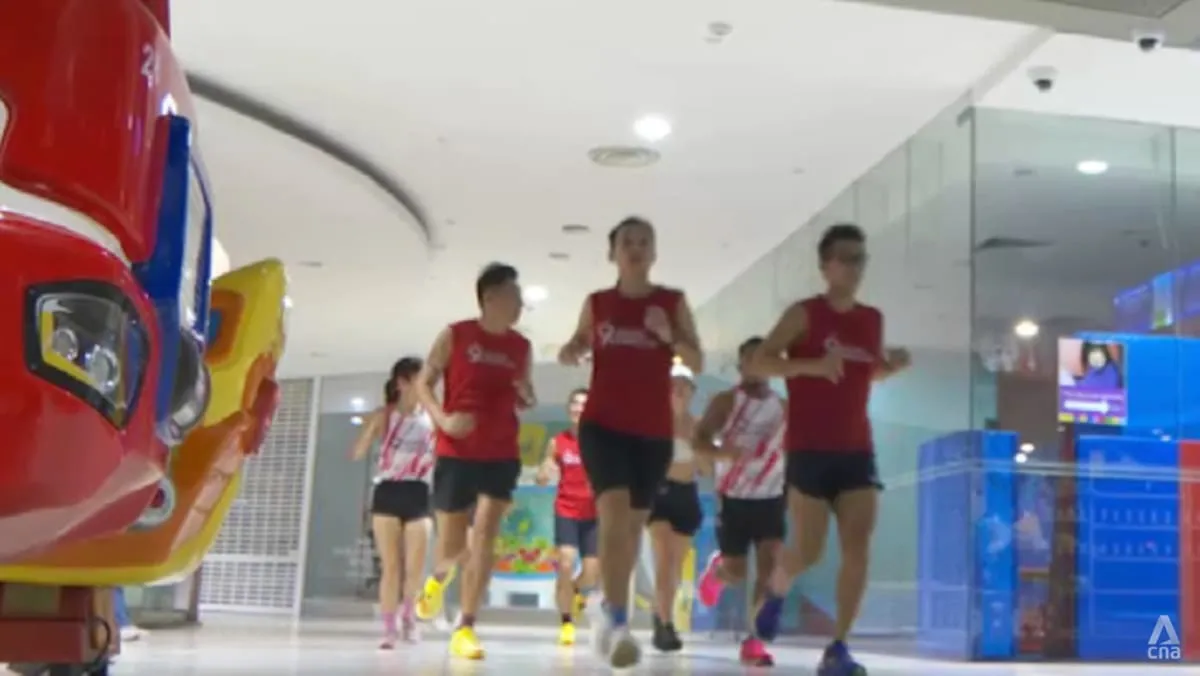
Singapore – Haze blanketing the regional area has brought numerous athlete training days to a halt. As a series of prestigious year-end sports competitions approach in 2026, health experts and coaches are cautioning athletes in Singapore against rushing to increase training intensity to catch up. A gradual and prudent approach is imperative to avoid serious injury risks and long-term respiratory issues.
The recent haze situation disrupted regular training schedules, forcing many athletes to move indoors or postpone outdoor sessions. Dr. Lim Wei Jie, a prominent sports medicine specialist, explained that the body needs adaptation. 'Drastically increasing intensity after a period of inactivity can trigger muscle strains, stress fractures, and even cardiac problems,' he asserted.
Experts recommend a structured and progressive return-to-training program. This involves not only physical strength but also lung capacity and cardiovascular endurance, which are affected by poor air quality. Pushing oneself to immediately return to peak performance without adequate transition can be counterproductive.
As a guideline, coaches are advised to engage in thorough discussions with their athletes, evaluate their current physical condition, and understand their health history post-haze exposure. The rehabilitation process after haze exposure should be as crucial as rehabilitation from other injuries.
Dr. Sarah Tan, a pulmonologist, highlighted the impact of haze on the respiratory system. 'Fine particles in the haze can cause inflammation in the airways, even in healthy athletes. Returning to high-intensity exercise too quickly could exacerbate this condition, potentially triggering asthma or bronchitis,' she explained.
Therefore, emphasizing recovery and gradual progression becomes extremely vital. Tailored training programs must consider several factors, including the duration of haze exposure, the athlete's fitness level before and after the incident, and the specific sport practiced.
It is essential for athletes to monitor the air quality index (IQAir) and only train outdoors when conditions are very safe. When in doubt, indoor training remains the best option. Adequate hydration and a balanced nutritional intake also assist the body in its recovery and adaptation process.
The National Sports Federation of Singapore (NSFS) has issued guidelines to its members, advising coaches and athletes to prioritize long-term health over immediate achievements. This reflects a commitment to athlete well-being amidst environmental challenges.
Several senior coaches, such as Coach David Lee, who trains a marathon running team, have implemented this strategy. 'We focus on light exercises and breathing techniques during the first week after the haze subsides. Volume and intensity increases are introduced gradually, typically over two to three weeks,' he stated.
Despite intense pressure to perform at the year-end events in 2026, experts remind that a sustainable athletic career is far more valuable than one or two competitions. Patience and discipline in the post-haze recovery process will be key to long-term success.
Editorial Insight:
The increasingly frequent haze phenomenon in Southeast Asia demands serious adaptation from the sports sector, especially within packed competition calendars. Proactive policies from sports federations and individual athlete awareness are essential to maintain both performance and health. Lessons from 2026 can serve as a blueprint for similar future challenges, affirming that health must always be the top priority.