 Angel Doris
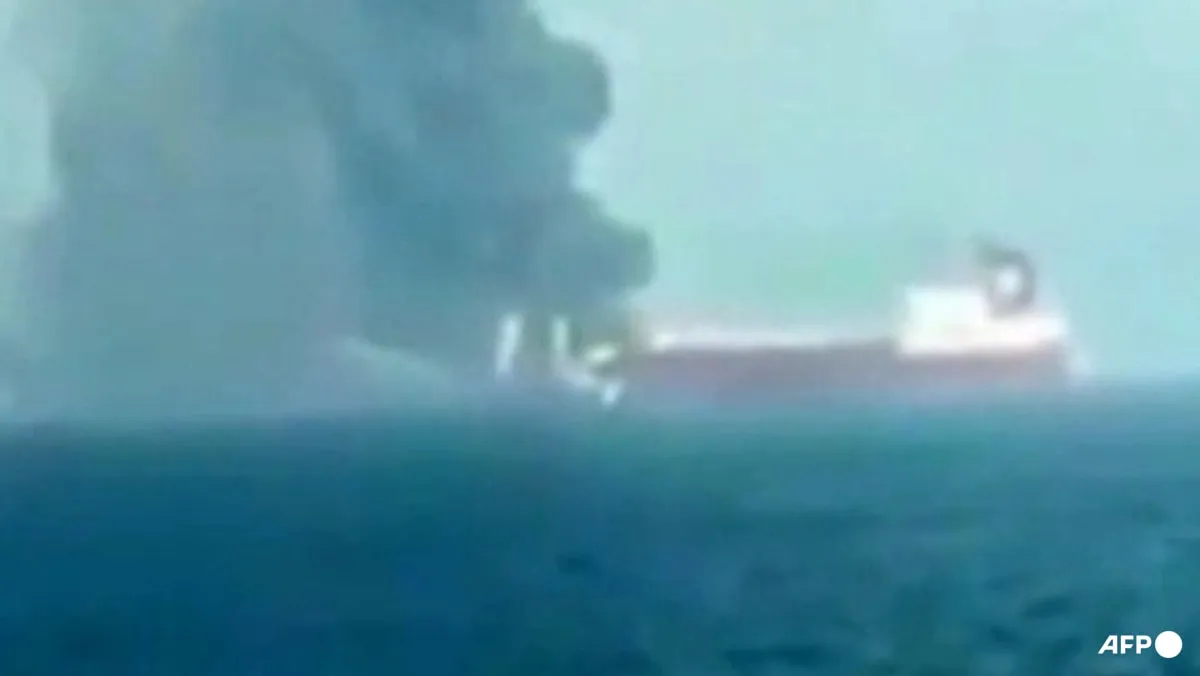
TEHRAN – An Iranian-owned supertanker laden with two million barrels of crude oil reportedly sank in the Gulf waters on Monday morning local time. This tragic incident has triggered serious concerns regarding a potential maritime environmental disaster and volatility in global energy supplies. Iranian maritime authorities promptly confirmed the event, stating that salvage efforts are underway, although the precise cause of the vessel's sinking remains under thorough investigation.
The Iranian-flagged vessel, identified as MT Arman, reportedly lost stability after experiencing unspecified technical issues. The incident occurred in one of the busiest shipping zones in the Gulf, a vital artery for one-fifth of the world's oil supply. The sinking of a ship with such a massive cargo volume has the potential to cause a colossal oil spill, threatening the fragile marine ecosystem.
Reza Jalali, spokesperson for Iran's Ministry of Petroleum, conveyed the government's deep concern during a virtual press conference. 'Our top priority is the safety of the crew and minimizing environmental impact. Oil spill response teams have been deployed,' Jalali stated. He added that all crew members were successfully evacuated, though some sustained minor injuries.
The threat of an oil spill is a primary concern. Environmental experts warn that millions of barrels of crude oil could devastate marine life, damage coral reefs, and pollute the coastlines of countries bordering the Gulf. Cleanup operations would span many years and incur enormous costs.
This incident occurs at a time when global oil markets are already volatile, fueling speculation of rising crude oil prices. While two million barrels constitute a fraction of the total daily supply, market psychology and concerns over disruptions to vital shipping lanes could trigger further volatility. Brent and WTI crude futures showed significant increases shortly after the news broke.
Neighboring countries in the Gulf region, including Saudi Arabia and the United Arab Emirates, expressed their readiness to assist in containment efforts. UN Secretary-General Antonio Guterres urged all parties to cooperate transparently and effectively to prevent an escalation of both the environmental and economic crises.
A joint investigation team, including international maritime experts, is expected to be deployed promptly. The primary focus of the inquiry will be to determine whether the incident was caused by structural failure of the vessel, human negligence, or external factors such as extreme weather conditions. The ship's black box data will be crucial in uncovering the truth.
The Gulf has been the site of several major maritime incidents in the past, although the sinking of a supertanker with such a large cargo is a rare and deeply alarming event. The congested shipping lanes and geopolitical tensions in the region have always presented high-risk factors for the shipping industry.
This event also adds pressure on Iran, which has been struggling to maintain its oil exports amidst international sanctions. While the volume of oil lost will not significantly alter Iran's long-term export capacity, the incident could affect buyer confidence and shipping insurance premiums.
The Iranian government reaffirms its commitment to ensuring navigation safety in the Gulf waters and will implement further preventive measures. Mitigating environmental impacts remains a top priority, involving the latest technologies to minimize damage.
Editorial Insight: The sinking of the Iranian supertanker MT Arman is not merely an ordinary maritime accident; it is a stark alarm for the entire world regarding the vulnerability of global energy supply lines and the environmental consequences of oil transportation. Amidst the persistently volatile geopolitical dynamics of the Gulf and the world's ever-increasing energy demands, such an event underscores the urgent need for stricter maritime safety standards and internationally coordinated emergency response plans. The potential for a massive oil spill could alter the regional ecological landscape for decades to come, demanding serious attention and action from all stakeholders.