 Stefani Rindus
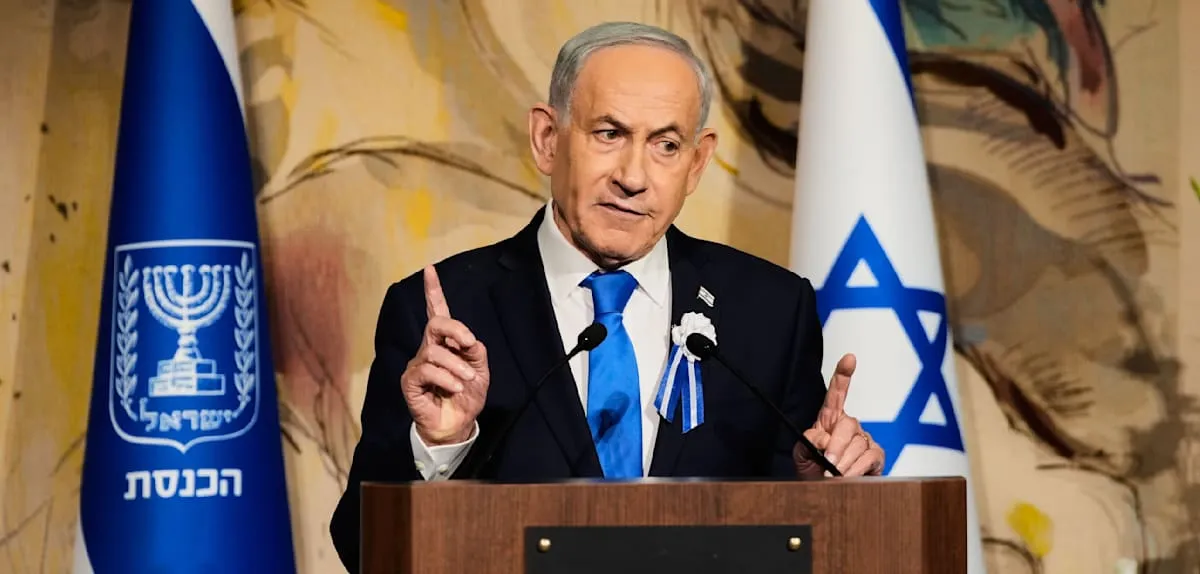
Tel Aviv – A recent in-depth journalistic investigation has dragged the office of Israeli Prime Minister Benjamin Netanyahu into a whirlpool of serious allegations. The report uncovers alleged election manipulation and deception of police authorities by key staff within Netanyahu's inner circle, sparking a wave of public concern about the integrity of the country's democratic process.
These suspicions arise after a series of findings in an investigation centered on the internal dynamics surrounding Israel's executive leadership. Sources close to the inquiry indicate that such unethical practices had been ongoing during a critical period of general elections.
The report specifically highlights the role of several key individuals in the Prime Minister's office. They are strongly suspected of orchestrating strategies to influence election results through unlawful methods, as well as deliberately providing false information to authorities when initial investigations began.
The issue of election manipulation is not new in the global political arena, but accusations directly targeting the heart of the incumbent government have a significant impact. Political analysts argue that the credibility of state institutions is at stake.
A constitutional law expert from Tel Aviv University, Professor Eitan Cohen, stated, 'If these allegations prove true, this is not merely an ethical violation, but a direct assault on the foundations of our democracy. Electoral integrity is a key pillar of a state governed by law.'
Public reaction to this investigative report varies. Some call for a thorough and transparent investigation, while others express skepticism about the motives behind the publication of the findings. National and international media have widely covered these developments.
Prime Minister Netanyahu's office itself has not yet issued a substantial official statement regarding the allegations. However, parties associated with Netanyahu have previously often denied similar claims, calling them attempts to discredit his leadership.
This case has the potential to trigger a larger wave of protests and political pressure. In 2026, Israel's political stability has faced various challenges, and a scandal of this nature could further complicate the situation.
Further investigations by authorities are expected to commence soon to clarify every aspect of these allegations. Transparency and accountability are primary demands from various societal elements and non-governmental organizations.
Similar situations have occurred in various parts of the world. For instance, the raid on an opposition TV office in Turkey and the arrest of its directors drew international attention to alleged abuse of power and interference in press freedom. This event in Israel, if proven, would add to the long list of democracy's dark chapters.
Editorial Insight: These serious accusations against the Israeli Prime Minister's office mark a crucial point for the country's political landscape. Public trust in democratic institutions will heavily depend on the government's response and the effectiveness of an independent investigation. If proven, the consequences could be profound, not only for Netanyahu's political career but also for the legal and constitutional foundations of Israel. This is not merely a domestic issue but a reflection of universal challenges to democratic integrity in the modern era.