 Chris Robert
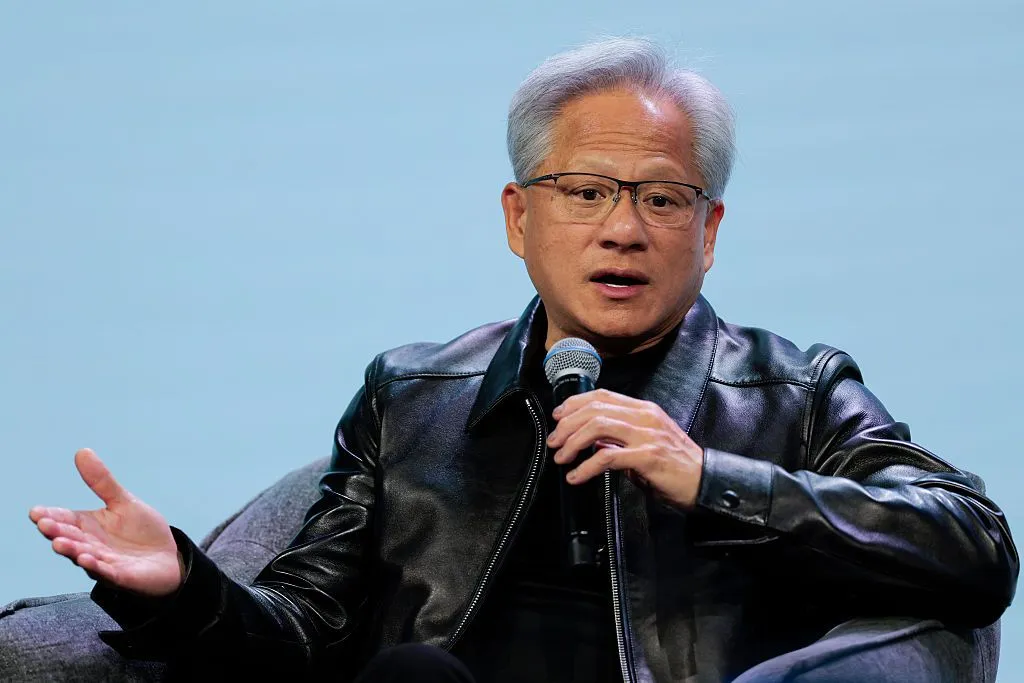
Jakarta – The global technology world was taken aback by the decision of Nvidia, the leading semiconductor company, to explicitly reject an offer from its former CEO, Jensen Huang, to return to the top post. This rejection comes merely a week after Huang resigned, sparking widespread speculation about the companys strategic leadership direction amidst massive artificial intelligence (AI) innovation.
The announcement from Nvidia came to light mid-week, putting an end to intense rumors circulating among investors and market analysts. Jensen Huang, the visionary behind Nvidias transformation into one of the worlds largest tech giants, had offered to return to lead. However, the companys board of directors appears to hold a different view regarding leadership succession.
This decision raises significant questions about Nvidias strategic future. Huang is known as the primary architect of the companys dominance in graphics chips and AI computing, propelling Nvidia to an astonishing market valuation. His departure, and now the rejection of his return offer, signals a new chapter in the corporate history that will profoundly shape their innovation trajectory.
Several weeks ago, Huangs resignation sent shockwaves through the market. Many speculated about the reasons behind it, whether related to competitive pressures, regulatory demands, or internal shifts in vision. Now, with the rejection of his offer to return, Nvidias management seems to be asserting its determination to move forward with different leadership.
Internal sources, who requested anonymity, revealed that the board of directors had extensively discussed Huangs offer. The decision to reject was based on a desire to provide an opportunity for new perspectives that could more aggressively address the challenges and opportunities in the 2026 technology landscape.
This development occurs during a crucial period for Nvidia. The company recently broke investment records worth trillions of rupiah, and the post-Huang future has been a subject of intense scrutiny. More information about the challenges facing Nvidia can also be read in our previous article: Nvidia Smashes $65 Billion Investment Record: Future Post-Huang Questioned?.
Nvidias dominance in the AI chip market has been a core foundation of the companys success. However, increasingly fierce competition from new players and geopolitical issues related to chip supply chains demand adaptive and strategic leadership.
Although details regarding Jensen Huangs successor have not been officially announced, this rejection indicates that the succession process is already underway or has even reached an internal agreement. The announcement of a new CEO is expected to follow shortly, as the company endeavors to maintain stability and investor confidence.
This decision also echoes the internal dynamics of other major technology companies facing vital leadership transitions. Transparency and effective communication will be key for Nvidia to maintain its position as an industry leader.
Market analysis suggests that this decision might cause short-term fluctuations in Nvidias stock. However, many analysts believe that the companys strong business fundamentals, supported by continuous innovation and high demand for AI chips, will enable them to navigate this transition period stably.
Speculation about potential strategic shifts for Nvidia has also emerged. One hotly discussed issue is Nvidias potential exit from the Chinese market, a move reportedly considered a consequence following Jensen Huangs removal. Readers can learn more in our article: Chip Market Shock: Nvidia Exits China Post-Jensen Huangs Ouster?.
The bold step by Nvidias board of directors to reject the return of an iconic founder demonstrates their commitment to change and adaptation. This reaffirms that no individual is greater than the institution, even in a company founded by a visionary.
Editorial Insight: Nvidias decision to reject Jensen Huangs return is a crucial move that affirms the board of directors independence in determining the companys direction. It indicates a focus on institutional continuity over reliance on a single individual, no matter how influential. The impact will be evident in Nvidias long-term strategy to face global AI competition and maintain investor trust.