 Dorry Archiles

LONDON – A startling 2026 report from Save The Children reveals that one in four children globally now endure severe food poverty. This critical situation, directly contributing to half of all child deaths from malnutrition, is exacerbated by three primary factors: prolonged armed conflicts, increasingly extreme climate crises, and global cuts in humanitarian aid.
Severe food poverty refers to a condition where a child cannot access enough nutritious food to meet their basic growth needs. This is not merely temporary hunger but a sustained lack of access to a varied and sufficient diet, leading to critical nutritional deficiencies that hinder physical and cognitive development.
Specifically, the one in four figure translates to approximately 600 million children under the age of five facing serious challenges in obtaining adequate food. This places them at high risk for various diseases, developmental delays, and preventable early deaths.
The long-term impacts of early childhood malnutrition are devastating. Children who survive these food crises often suffer permanent impairments in brain development, weakened immune systems, and reduced learning capacity, creating a vicious cycle of poverty difficult to break in the future.
Save The Children identifies several key drivers behind the worsening crisis:
- Armed Conflicts: War-torn regions like Yemen, Sudan, and Gaza are major hotspots, where food supplies are disrupted, infrastructure is destroyed, and humanitarian access is drastically limited.
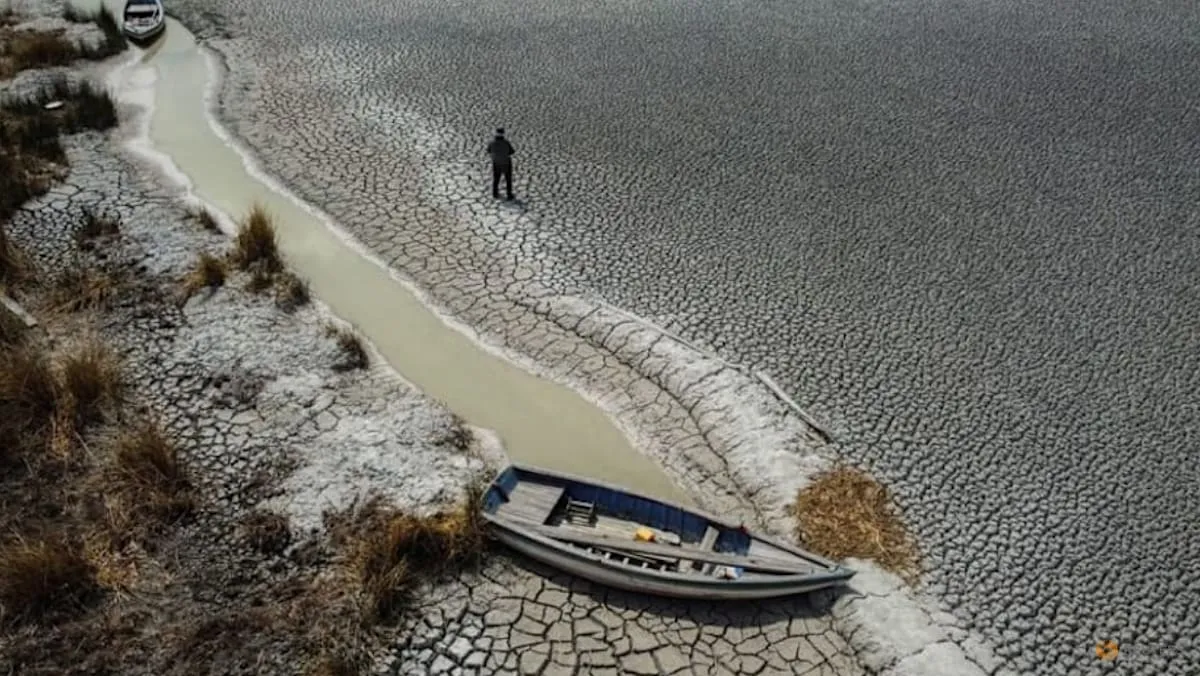
- Climate Crisis: Extreme weather patterns such as prolonged droughts, floods, and storms devastate agricultural lands, reduce harvests, and disrupt food supply chains, especially in developing countries heavily reliant on farming.
- Humanitarian Aid Cuts: Amid escalating needs, many donor countries have reduced their allocation of funds for food aid and nutrition programs, exacerbating the vulnerability of the most in-need communities.
Sub-Saharan Africa and South Asia continue to be epicenters of this suffering, with millions of families struggling daily to feed their children. However, the crisis also extends to other previously stable areas, driven by global economic instability and food price inflation.
We are witnessing a profound and preventable humanitarian crisis, stated Dr. Amina Khan, Global Programs Director for Save The Children. Every child deserves adequate nutrition to grow and thrive. Our collective failure to address this issue is a stain on humanity's conscience.
This severe food poverty phenomenon is inseparable from the broader threat of absolute poverty, as evidenced in recent global economic reports. For instance, in Europe, millions of Italian citizens are projected to be trapped in absolute poverty by 2025, demonstrating that the issue of access to basic necessities is a pressing global concern.
Save The Children urges world leaders to take immediate concrete action, including increasing investment in resilient food systems, ending conflicts, and ensuring unimpeded access for humanitarian aid. They also call for increased long-term funding for child nutrition programs.
Governments worldwide, along with international organizations, must collaborate more closely to address the root causes of food poverty. Policies supporting local food security, social safety net programs, and rapid crisis response are key to saving lives and the future of upcoming generations.
Without significant and coordinated intervention, the number of children suffering from chronic hunger will continue to rise, undermining human development potential and triggering wider social instability. This crisis is not just about food; it is about the most fundamental human right for every child.
Editorial Insight: This Save The Children report underscores the urgent need to mitigate the global food crisis, particularly its impact on the most vulnerable. 2026 marks a critical juncture for policymakers to reflect on their budgetary priorities and foreign policies. Failure to act will not only cost children's lives but also threaten the foundations of global stability and prosperity in the future. Long-term solutions demand strong political commitment, sustained investment in sustainable development, and a holistic approach targeting the root causes of conflict and climate change.