 Stefani Rindus
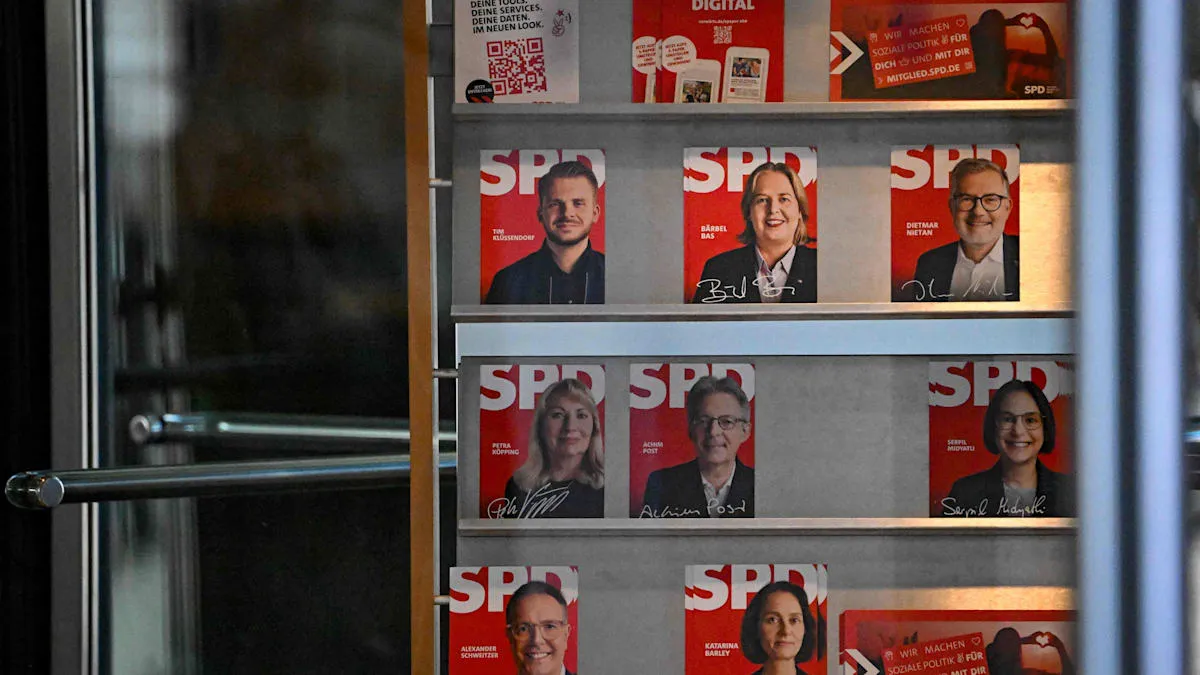
FRANKFURT – Internal political turmoil has struck the Social Democratic Party (SPD) in Frankfurt, Germany, following the resignation of Barbel Bas from a leadership position. Frankfurt SPD Chairman, Kolja Muller, promptly addressed the situation by calling for stronger unity and cohesion among all party members, emphasizing that future stability hinges on collective teamwork.
Muller's statement comes as a direct response to a trend of leadership withdrawals deemed detrimental to the party's image and strength. He highlighted that the SPD cannot afford to continually lose key figures from its top echelons, a condition that could potentially weaken their political standing on the national stage.
We cannot keep wearing out one leader after another, Muller asserted firmly, underscoring the intense pressure faced by cadres in strategic positions. This emphasis reflects deep concern over a relentless cycle of leadership changes, which can drain the party's energy and focus.
Barbel Bas, a senior politician with a significant track record, previously held a key position not specifically detailed in this news context, yet its impact is widely felt. Her resignation adds to a long list of challenges the SPD has faced in recent years.
Such internal upheaval is not new for the SPD, a party with a long and influential history in the German political landscape. Successive challenges in recent years have eroded electoral support and fueled fierce debates regarding the party's future direction.
Muller continued with a strong analogy, comparing the party to a sports team. It's not just about the team captain, but also about the entire team, he stated, asserting that every individual plays a crucial role in collective success and the achievement of common goals.
Muller's appeal reflects a fundamental need for a mental restructuring within the party, moving from an individualistic focus to a more collaborative and integrated approach. This is also crucial ahead of upcoming major political agendas in Germany, including local and federal elections.
Political observers suggest that the situation in Frankfurt could serve as a barometer for the SPD's national condition. If party branches in major cities struggle to maintain stability and cohesion, it could potentially ripple up to the federal level and exacerbate the party's overall image.
Solidarity and adaptability are key for the SPD to confront electoral challenges and maintain relevance amidst increasingly sharp political polarization in Germany. Internal reforms and effective communication are necessities that must be realized.
Similar situations are often seen in the political dynamics of other countries, where leadership changes trigger demands for internal restructuring. For instance, note how Schwesig Rises: The Path to SPD Leadership Opens Wide illustrates shifting leadership dynamics within the same party in a different context.
Openness and transparency in decision-making processes are also vital elements implicitly stressed by Muller. The public and party members need to feel that their voices are valued and considered in every policy enacted.
The SPD, as one of Germany's oldest parties, bears a significant responsibility to demonstrate resilience and the ability to rebound from every crisis. The future of German politics heavily relies on the stability and strength of major parties to maintain democratic balance.
Editorial Insight: The resignation of a leader like Barbel Bas in the SPD Frankfurt indicates serious internal pressures, possibly related to party performance or strategic vision. Kolja Muller's call for solidarity is an important step, but the SPD needs more than rhetoric. They must engage in deep introspection regarding the root causes of this instability and formulate a sustainable long-term strategy to prevent the recurrence of a 'wearing out leaders' cycle. Credibility and public trust will be the main stakes in this political gamble, especially in a turbulent 2026.