 Gabriella
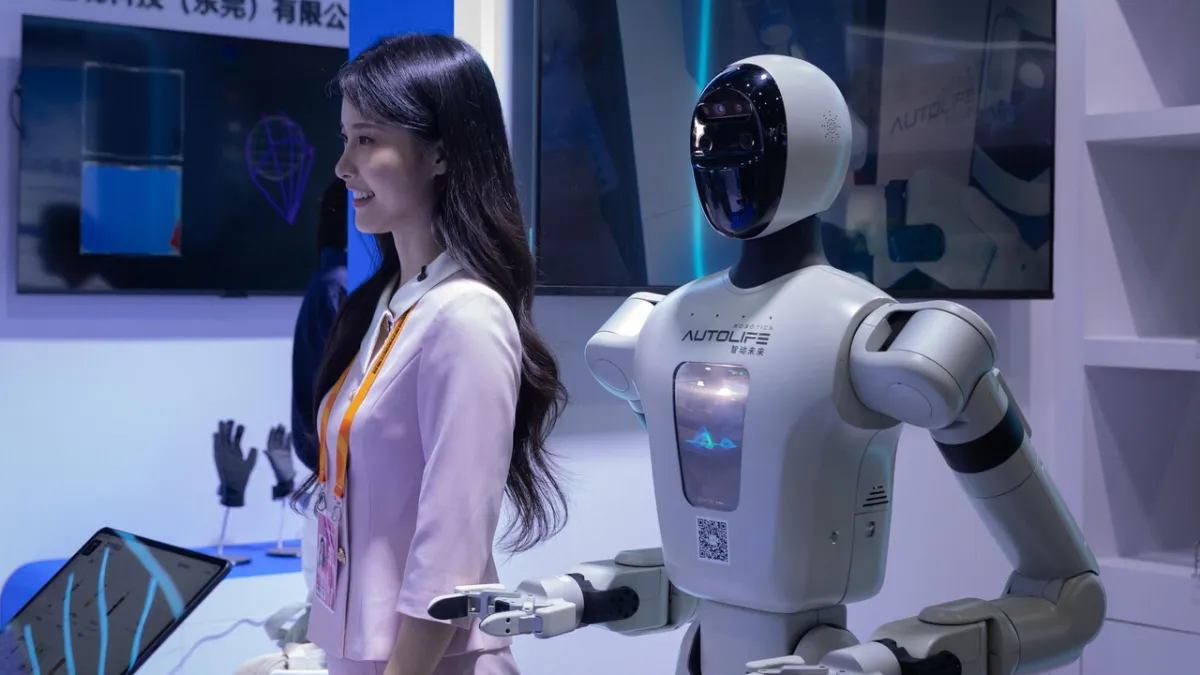
Hangzhou – A new chapter in the world of technology and education unfolded in the city of Hangzhou, China, as a specialized robot school awarded its first professional diplomas. This monumental event signifies a crucial step in artificial intelligence development, where advanced machines are now officially recognized as capable of performing various professional tasks after undergoing a series of rigorous practical tests. This is not merely a conventional graduation ceremony, but a proclamation of a new era of automation and deeper human-robot collaboration.
This move reaffirms China's position as a global innovation leader in robotics and artificial intelligence. The robot education program in Hangzhou is designed to equip machines with specific expertise, ranging from customer service to precision manufacturing. Every robot that has earned a diploma has undergone real-world work simulations and in-depth performance evaluations, proving their autonomy and efficiency.
The curriculum of this robot school extends far beyond teaching basic algorithms. Robots are guided to develop capacities for adaptation, problem-solving, and interaction in dynamic environments. The practical tests conducted not only measure speed or accuracy but also the robots' ability to adapt to unexpected scenarios, similar to the challenges faced by human workers daily.
The awarding of diplomas to these non-biological entities has sparked extensive discussions regarding the definition of 'professionalism' and the role of the workforce in the future. Although these robots are designed to complement or take over repetitive and dangerous tasks, their potential impact on the human labor market cannot be overlooked.
The Chinese government has long invested heavily in AI research and development, making innovations like this robot school an integral part of their national strategy to dominate the global technological landscape. They project that the integration of professional robots will boost productivity and create new industrial sectors.
This phenomenon underscores the urgency for global education systems to adapt. Humans need to focus on developing skills that are not easily replicable by machines, such as creativity, critical thinking, empathy, and emotional intelligence. An insightful article from our database, The Threat of AI in Education: Why Students Must Re-master Writing, highlights the importance of re-acquiring fundamental abilities that distinguish us from AI.
Ethical debates are also emerging. Who is responsible if a diploma-holding robot makes a mistake? How can we ensure that mass automation does not widen social disparities? These questions demand a comprehensive regulatory framework and cross-country cooperation.
International reactions to China's move vary. Some Western countries have welcomed it with admiration while simultaneously expressing concerns about falling behind, while others are beginning to re-evaluate their investment strategies in AI and robotics. The global competition to be at the forefront of this field is intensifying.
The integration of professional robots into society is expected to continue, with these robots filling positions previously considered exclusive to humans. From elder care to space exploration, their potential applications are nearly limitless, promising efficiency and innovation previously unimagined.
This development in Hangzhou is not an end, but the beginning of a long journey. The world is witnessing a fundamental transformation in the relationship between humans and technology, where the line between creator and creation is increasingly blurred.
Editorial Insight:
The awarding of diplomas to robots in Hangzhou is a landmark event that cannot be ignored. This is no longer science fiction but a reality that compels us to redefine the value of education, work ethics, and the future of humanity. Other nations must promptly formulate adaptation strategies, not just to compete, but also to ensure that this technological advancement serves broader human objectives responsibly, rather than creating greater disparities.