 Edward DP Situmorang
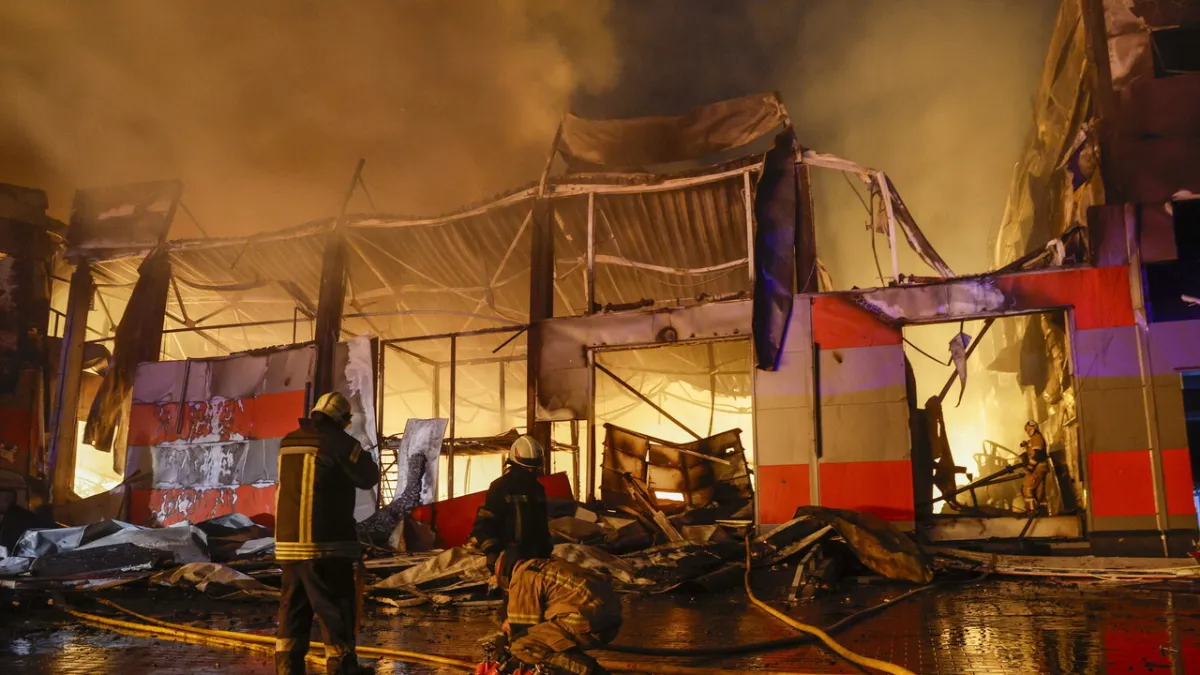
KYIV – A massive aerial assault launched by Russian forces during the night targeted vital energy infrastructure in the Kyiv and Mykolaiv regions of Ukraine. This brutal incident resulted in at least three civilians injured in the capital region, sparking fresh concerns about a persistent escalation of the conflict.
The nocturnal bombardment specifically aimed at crucial facilities supporting electricity and heating supply, a tactic consistent with Russia's previous patterns of attack. Local authorities promptly reported significant damage, confirming a direct impact on the daily lives of residents.
In the Kyiv region, rescue teams rushed to evacuate victims and assess post-attack damage. Initial reports indicated three individuals sustained injuries, adding to the long list of civilian suffering amidst the unceasing military aggression.
Similarly, the Mykolaiv region, located in southern Ukraine, also became a target of the barrages. Although specific casualty details from Mykolaiv are not yet available, damage to the energy infrastructure there has the potential to cause widespread service disruptions for the population.
The conflict between Russia and Ukraine continues to enter a crucial phase, with civilian infrastructure frequently becoming a primary target. This strategy is believed to aim at undermining the morale of Ukrainian citizens and pressuring the Kyiv government, especially ahead of colder seasons, despite it currently being 2026.
The Ukrainian government, through the Ministry of Defense, strongly condemned the attack as an act of state terrorism. They affirmed their commitment to continuously strengthen air defense systems to protect their citizens from similar threats in the future.
Ukrainian air defense systems reportedly successfully intercepted a number of projectiles launched by Russian forces, mitigating the potential for greater devastation. However, some missiles and drones managed to penetrate defenses, reaching their intended targets and causing critical damage.
Repeated attacks on energy infrastructure have become a characteristic of this war. The UN and international humanitarian organizations have repeatedly called for an end to the targeting of civilian facilities, given their devastating impact on millions of lives.
The international community is urged to provide further support, both in the form of humanitarian aid and defensive equipment. Global solidarity is considered crucial to help Ukraine endure and recover from the relentless impact of the attacks.
These incidents in Kyiv and Mykolaiv serve as a bitter reminder of the ongoing reality of war, where civilians often become the most vulnerable victims in complex geopolitical disputes.
Editorial Insight: The attacks on Ukraine's energy infrastructure, particularly in Kyiv and Mykolaiv, indicate Russia's continued strategy to weaken the nation's resilience. These actions not only aim to disrupt vital supplies but also to incite social and economic instability. Long-term impacts could include a deeper humanitarian crisis and immense pressure on post-conflict reconstruction efforts, demanding a coordinated international response.