 Demian Sahputra
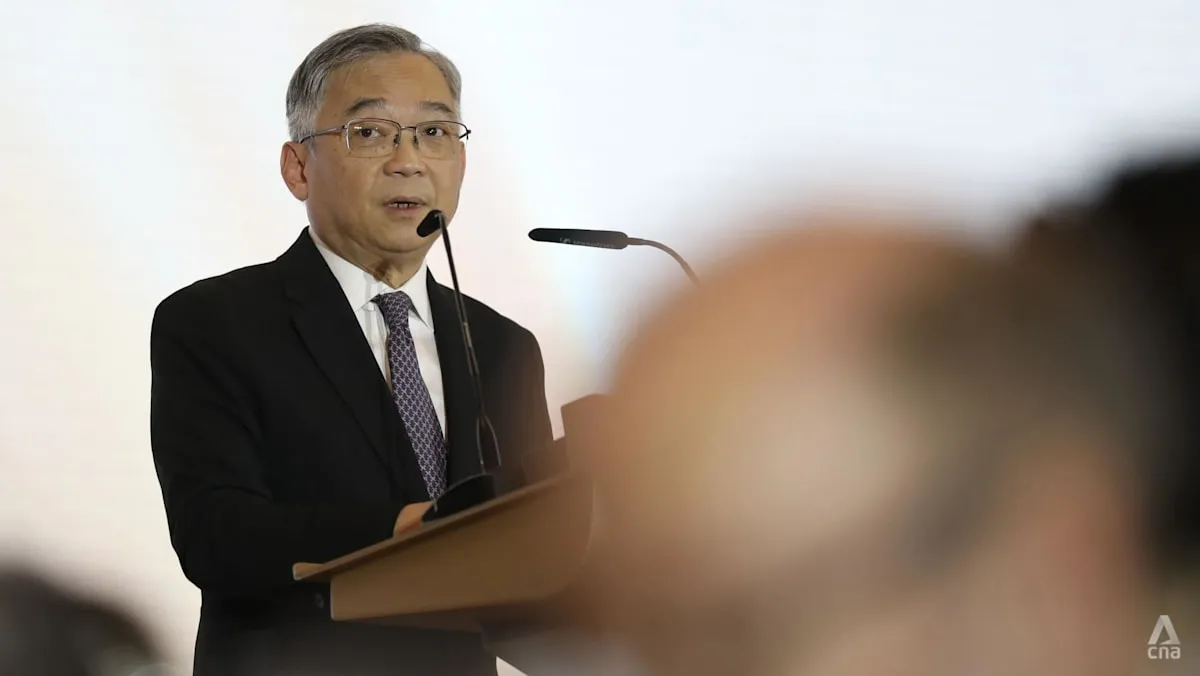
SINGAPORE – Singapore's Minister for Trade and Industry, Gan Kim Yong, has urged Singapore and China to deepen their innovation partnership. This call emerges amid escalating global uncertainties that demand a strategic response from the two Asian economic powerhouses. Gan emphasized that closer research collaboration aligned with business and community needs is crucial to ensuring promising technologies find practical applications and deliver tangible impact.
Gan Kim Yong's statement marks a significant emphasis on transforming innovation from mere concepts into concrete solutions. In an era where disruption has become the new normal, a nation's ability to innovate and commercialize its research outcomes determines its competitiveness. Both Singapore and China are recognized as innovation hubs in Asia, yet deeper synergy could unlock untapped potential.
The volatile global geopolitical and economic situation forms the primary backdrop for this appeal. Various conflicts, trade tensions, and climate change challenges, frequently discussed in global forums (read also: COP31 2026: Effectiveness of Mega Climate Conferences Amidst Global Crises?), create a complex operational environment for companies and economies. In such conditions, collective innovation strength can serve as a robust buffer.
Gan Kim Yong specifically highlighted the necessity of bridging the gap between research laboratories and the market. Revolutionary scientific discoveries often fail to reach their full potential due to a lack of clear pathways to commercialization. A strategic partnership between Singapore and China can create an ecosystem that facilitates this transition, from prototype to market-ready product.
China, with its vast domestic market and massive manufacturing capabilities, offers unparalleled scale for technology testing and deployment. Meanwhile, Singapore, with its world-class research ecosystem, strong regulatory framework, and access to global networks, can serve as a hub for innovation development and incubation. This combination of strengths has the potential to yield significant breakthroughs.
This cooperation extends beyond mere exchange of ideas or joint projects. It encompasses knowledge transfer, talent development, and even the harmonization of standards in key sectors. Fields such as artificial intelligence, biotechnology, renewable energy, and green technologies represent potential areas for intensive collaboration.
Mister Gan envisions a future where companies in both countries can easily collaborate, leveraging each other's expertise to address common challenges. This will strengthen regional supply chains and reduce dependence on sources vulnerable to external disruptions.
Both governments are expected to play a proactive role in facilitating this partnership. This could involve tax incentives, joint research funds, or information exchange platforms. Policies that support cross-border innovation will be crucial catalysts.
This narrative aligns with global trends where nations are increasingly realizing the importance of multidimensional cooperation to face 21st-century challenges. Instead of mere competition, collaboration in innovation can be a more effective strategy for achieving sustainable economic growth and resilience amidst crises.
In a broader context, this move can also be seen as part of China's efforts to strengthen its global position through economic and technological diplomacy strategies. Such strategies have been employed during crucial past moments (see also: Xi's Clever Maneuver: While Trump Partied, China Dominated the Global Summit Stage).
Strong innovation cooperation between Singapore and China can also project regional stability. In an increasingly polarized landscape, the ability of two nations to work productively together sends a positive signal to international partners and investors.
Ultimately, the success of this initiative will be measured by the ability of new technologies to genuinely improve the quality of life for communities. From better healthcare solutions, energy efficiency, to smart city development, practical applications are the main objective of this deepened collaboration.
Editorial Insight: Gan Kim Yong's call is not mere diplomatic rhetoric; it is a realistic strategic imperative in the face of 2026's global dynamics. With geopolitical tensions and economic pressures mounting, a substantial innovation partnership between Singapore and China can serve as a model for building regional economic resilience. The success of this initiative will depend on both nations' ability to align national interests with a long-term collaborative vision, overcoming bureaucratic hurdles and systemic differences. This has the potential to forge a stronger, more independent Asian innovation hub.