 Stefani Rindus
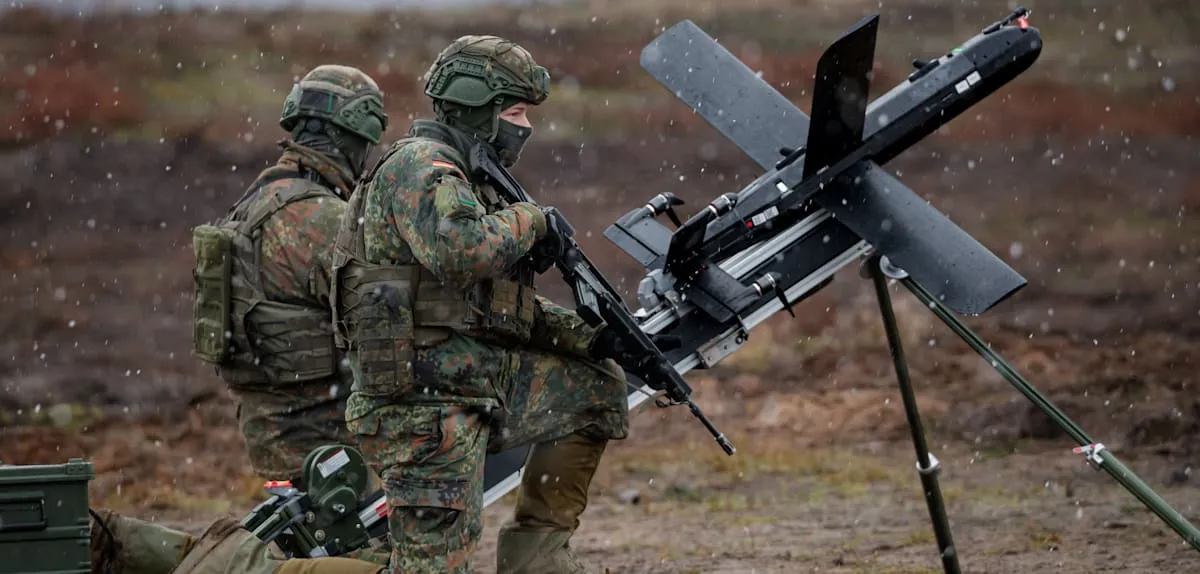
VILNIUS – The German Army, Bundeswehr, is aggressively testing cutting-edge warfare strategies in the Freedom Shield II military exercise in Lithuania. This crucial initiative, driven by the modernization vision of German defense leaders, involves the massive use of unmanned systems, kamikaze drones, and artificial intelligence (AI) in command posts, marking a significant transformation in their combat readiness to face global threats in 2026.
The Freedom Shield II exercise is not merely a routine maneuver. It serves as a fundamental platform for the Bundeswehr to comprehensively integrate disruptive technologies into its military doctrine. The primary goal is to establish sustained and superior tactical advantage on the future battlefield, particularly amid the geopolitical complexities of Eastern Europe.
The main focus of this exercise is on the large-scale mastery and utilization of unmanned systems. Various types of uncrewed vehicles, ranging from advanced reconnaissance units to autonomous attack platforms, are deployed to carry out critical missions. The use of these systems is considered essential for reducing risks faced by human personnel on the front lines.
Furthermore, kamikaze drones are a vital component of the arsenal being tested. The ability of these drones to deliver high-precision strikes against specific targets, with relatively low operational costs and minimal risk to operators, indicates a paradigm shift in combat. The presence of this technology alters how the Bundeswehr views offensive operations.
Artificial intelligence (AI) also plays a central role, especially in tactical command posts. AI is utilized for rapid data analysis, enabling accelerated and more accurate decision-making amidst the chaos of battle. AI integration is also optimized for logistics and mission planning, resulting in a major leap in overall operational efficiency.
This modernization is an integral part of the strategic vision set forth by German defense leadership to transform the Bundeswehr into a more agile, high-tech force, responsive to the dynamics of 21st-century conflicts. It is a proactive response to the constantly evolving global security landscape.
The current geopolitical context, where asymmetric conflicts, hybrid threats, and cyber warfare are increasingly common, underlines the urgency of this modernization. The Bundeswehr recognizes that modern warfare requires capabilities far beyond conventional approaches. The use of drones, for example, has proven to be a decisive factor in other conflicts, as seen in drone attacks hitting UN buildings in Khartoum.
Lithuania's role in this exercise is highly strategic. As a front-line state in Eastern Europe and a NATO member, Lithuania provides a realistic terrain for testing combat capabilities in a geopolitically relevant environment. The exercise also strengthens interoperability among NATO forces.
The successes and lessons learned from Freedom Shield II are expected to significantly influence Germany's future defense policy, including investments in military research and development. This will also shape the structure and training of military personnel to effectively adopt these new technologies.
However, the implementation of such technology also presents its own challenges. Questions regarding the ethics of using autonomous weapons, cybersecurity against AI systems, and the need for extensive personnel training are important agendas that must be addressed. Germany is committed to ensuring the development of these technologies adheres to international ethical standards.
Defense analysts observe how Germany, through this step, seeks to position itself at the forefront of the global military modernization race. After years of being perceived as indifferent to technological innovation, especially in the domain of artificial intelligence, this initiative demonstrates a serious commitment to catching up and even leading in some aspects.
Moving forward, the Bundeswehr is projected to continue evolving into a highly digitized and network-centric force. Exercises like Freedom Shield II serve as a blueprint for the German Armed Forces to carve out their relevance in facing future military threats, where technology will be the primary differentiating factor.
Editorial Insight:
The Freedom Shield II exercise in Lithuania is more than just a military power display; it is Germany's strategic statement about its seriousness in redefining warfare in the digital age. The massive integration of kamikaze drones and artificial intelligence not only enhances combat effectiveness but also places the Bundeswehr at the forefront of defense innovation. However, this step also raises the urgent need for ethical and international legal discussions regarding weapons autonomy, which will be crucial in shaping future war doctrines.